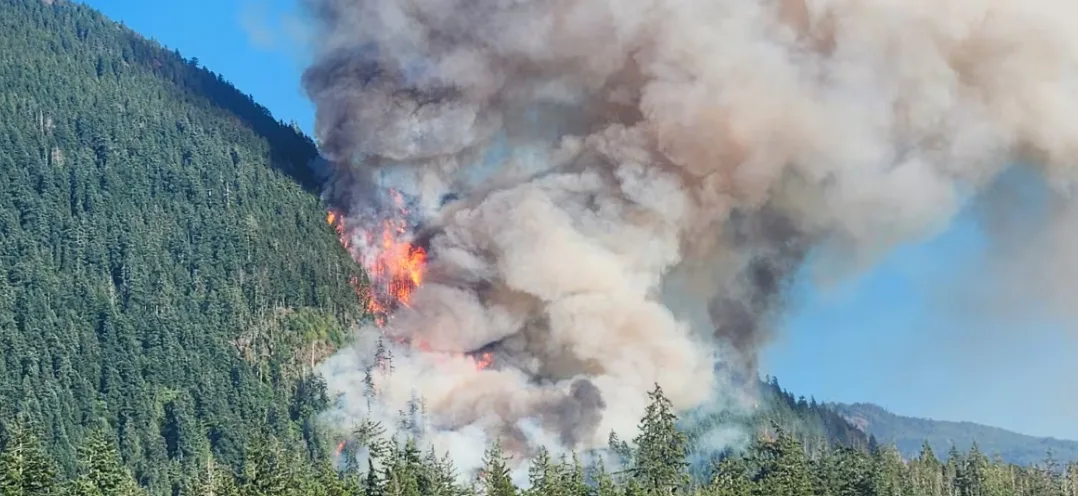
Canada's pollution levels exceed the US due to brutal 2025 wildfire season

2025 was Canada's second-worst wildfire season on record.
Canada’s air quality was worse than the United States in 2025, thanks to a record-breaking wildfire season last summer, according to a new report by IQAir.
Canada doesn’t have the worst air quality in North America: That designation goes to Mexico, which landed at 50 on IQAir’s 2025 list of most polluted countries and regions. Wildfires pushed Canada to 117 in 2025, with the United States taking the 120th spot.
These wildfires not only made Canada more polluted than the United States, but they were also large enough to affect air quality in Europe as smoke crossed the Atlantic Ocean.
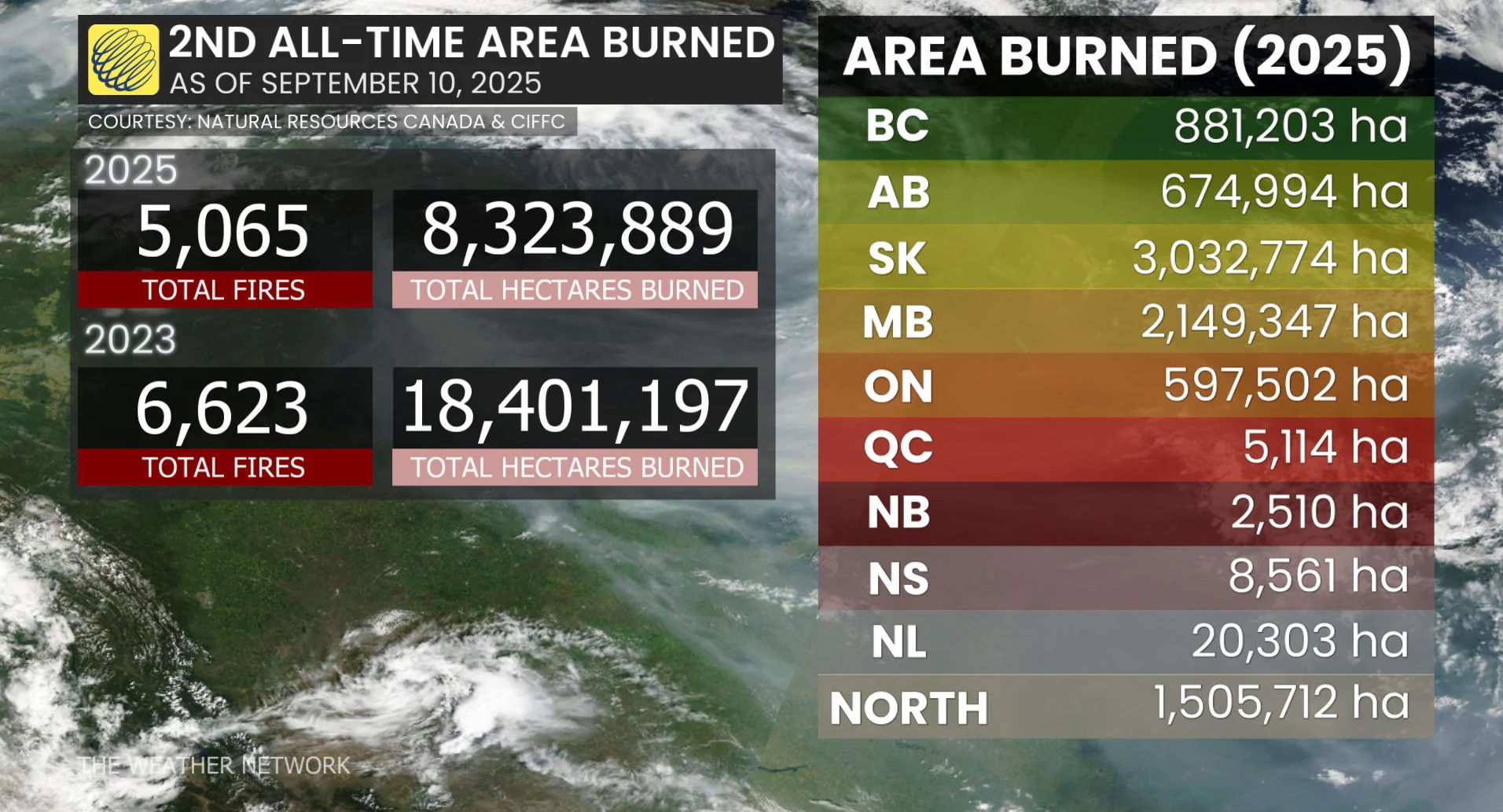
Between May 2025 and November 2025, Canada experienced its second-worst wildfire season ever, with over 6,000 wildfires and 8.3 million hectares burnt across the country.
During that time, hundreds of thousands of hectares of boreal forest were destroyed in Saskatchewan alone.
At 552 million hectares, Canada is home to 28 per cent of the global boreal forest zone, which stores carbon, purifies the air and water, and regulates the world’s climate.
A global report
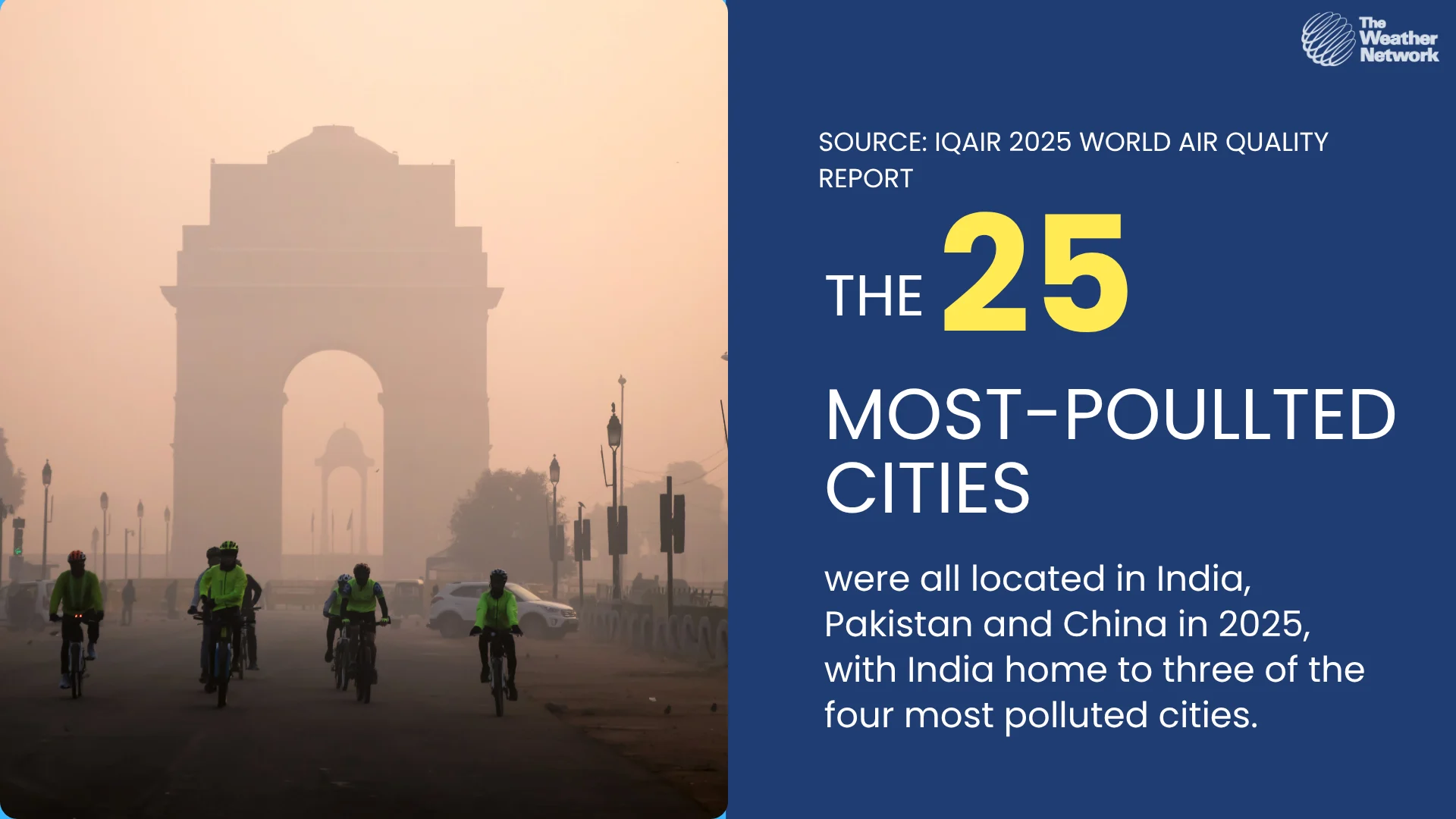
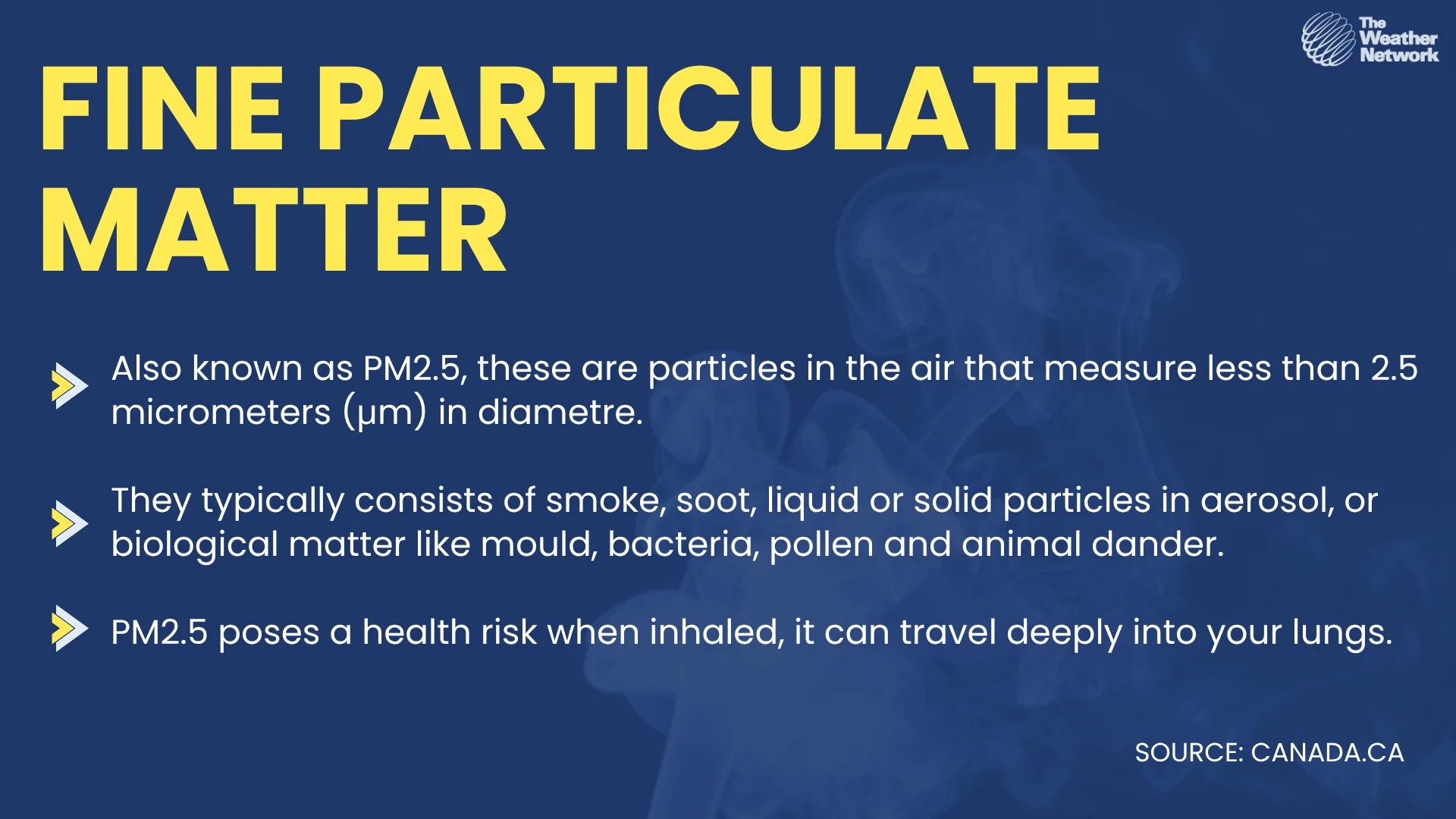
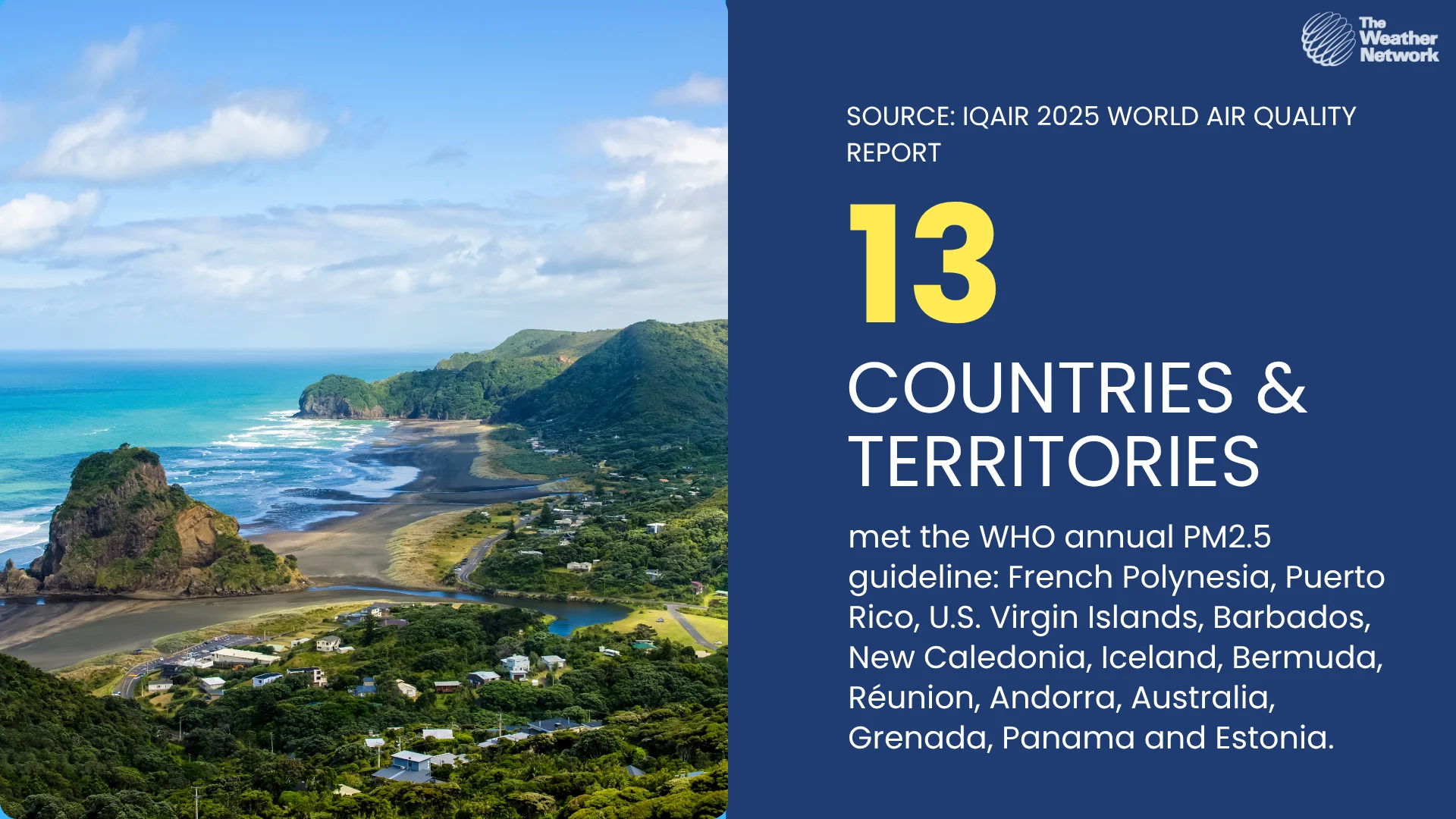
IQAir’s 2025 World Air Quality Report analyzed pollution data from more than 9,400 cities around the world and found that only 13 of 143 countries met the World Health Organization’s recommended limits (WHO).
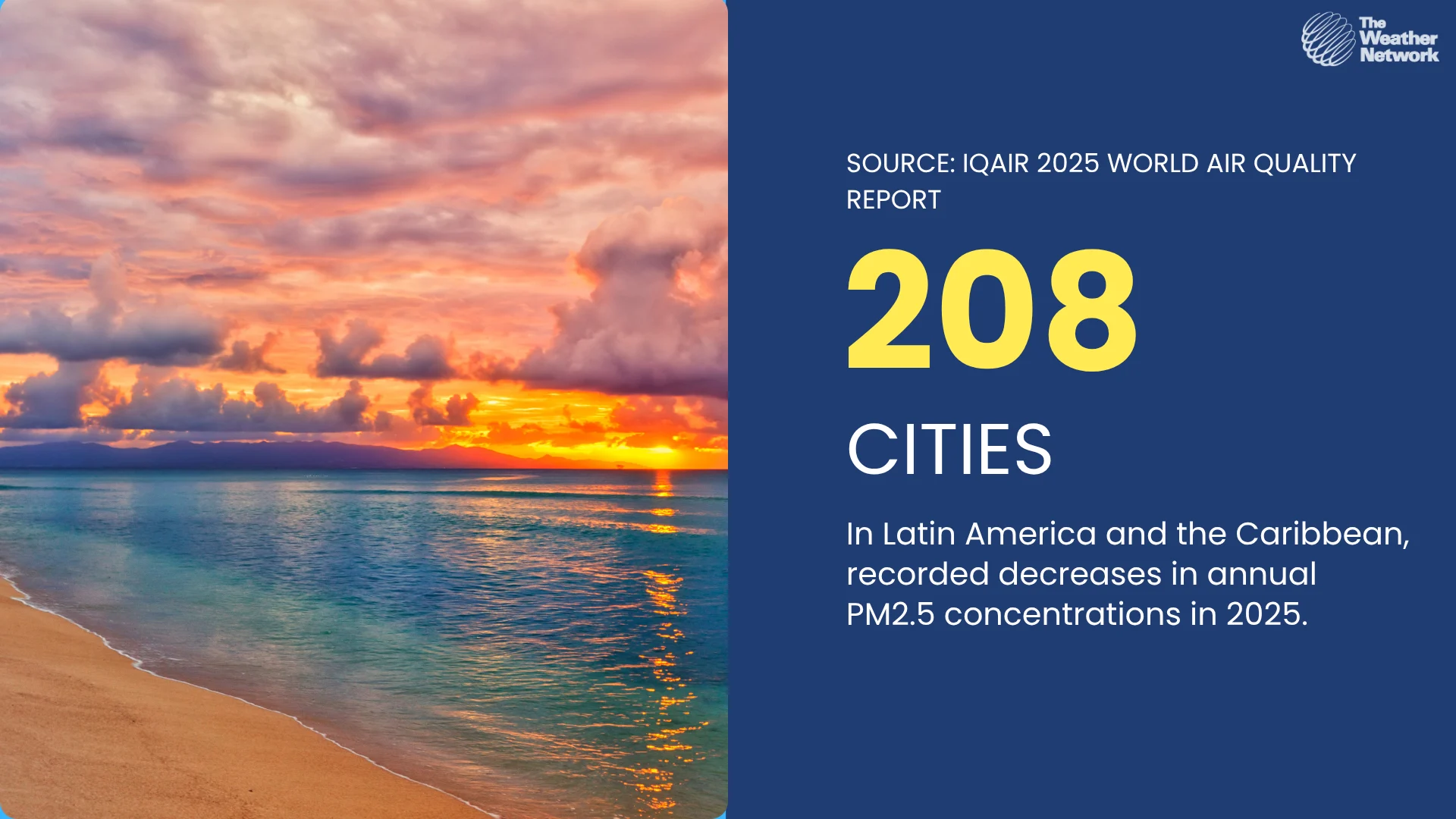
Canada was among the countries that did not meet WHO guidelines. Worsening air quality driven mostly by wildfires caused the annual average fine particulate matter concentration to exceed the recommended limit by 1 to 2 times.
Wildfires contributed to worsening air quality across Europe in 2025 as well, with fires incinerating 1.03 million hectares of forest across the European Union in 2025, amounting to the most area burned since record-keeping began.
The combined emissions from Canada and Europe’s wildfires contributed to roughly 1,380 megatons of carbon globally in 2025.
What is air quality?
When air quality is good, conditions are typically clear. "Poor" air is laden with pollutants, chemicals, and in some cases, particles from wildfires.
The Air Quality Index (AQI) is a tool used by many government agencies to communicate to the public how polluted the air is and how polluted it may become over a 48-hour period.
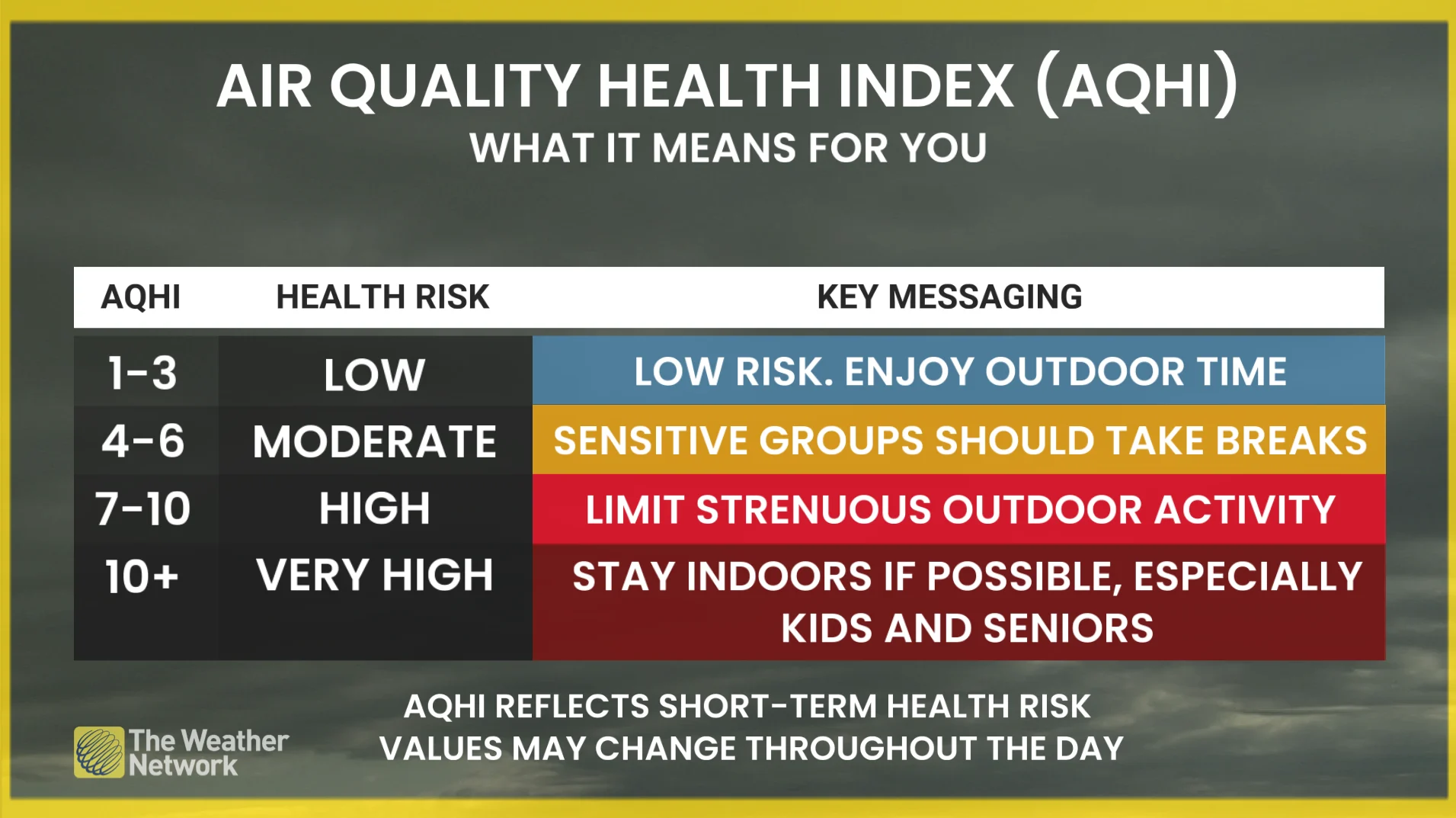
The newer AQHI takes into account the health effects and environmental concerns associated with varying concentrations of pollution, two factors the AQI does not. AQHI measures the impact of air quality on your health using a scale of 1-10, with 10 and up representing the highest risk.
Long-term effects of poor air quality
In the short term, exposure to poor air quality can result in difficulties breathing, irritation of the nose, throat, eyes, and skin, as well as pneumonia and bronchitis. Headaches and dizziness are also common side effects.
Prolonged exposure to poor air quality can result in heart disease, lung cancer, and conditions such as emphysema.
According to McGill University, air pollution causes an estimated 4.2 million premature deaths globally each year.
Health Canada estimates that air pollution contributes to 15,300 premature deaths each year in Canada.
Header image: File photo from BC Wildfire Service. All other file photos courtesy of Canva Pro.
