Climate change throws wrench into scheduling future Winter Olympics

With fewer than a dozen countries predicted to be able to host the Winter Olympics by 2040 due to climate change, the International Olympic Committee is facing an unprecedented challenge
For decades, the Winter Olympics have relied on February weather conditions as cold temperatures and natural snow make a breathtaking backdrop for all the frozen drama.
But the climate these Winter Games were born into is changing fast.
DON'T MISS: Ocean heat sets another record in 2025 as Earth sees third-hottest year
“I know these discussions can be and potentially will be uncomfortable, but they are essential if we want to keep the game strong for generations to come," said Kirsty Coventry, International Olympic Committee (IOC) president, at a Feb. 3 media conference.
Across the Northern Hemisphere, winters are getting shorter and milder, with less dependable snowfall, even in mountain regions long considered winter-sport strongholds.
An IOC-funded study found that by 2040, only 10 nations on Earth may still have the climate conditions needed to host Olympic snow sports.
Nearly half of all past Winter Games locations may never be able to host again. The impact is already visible.
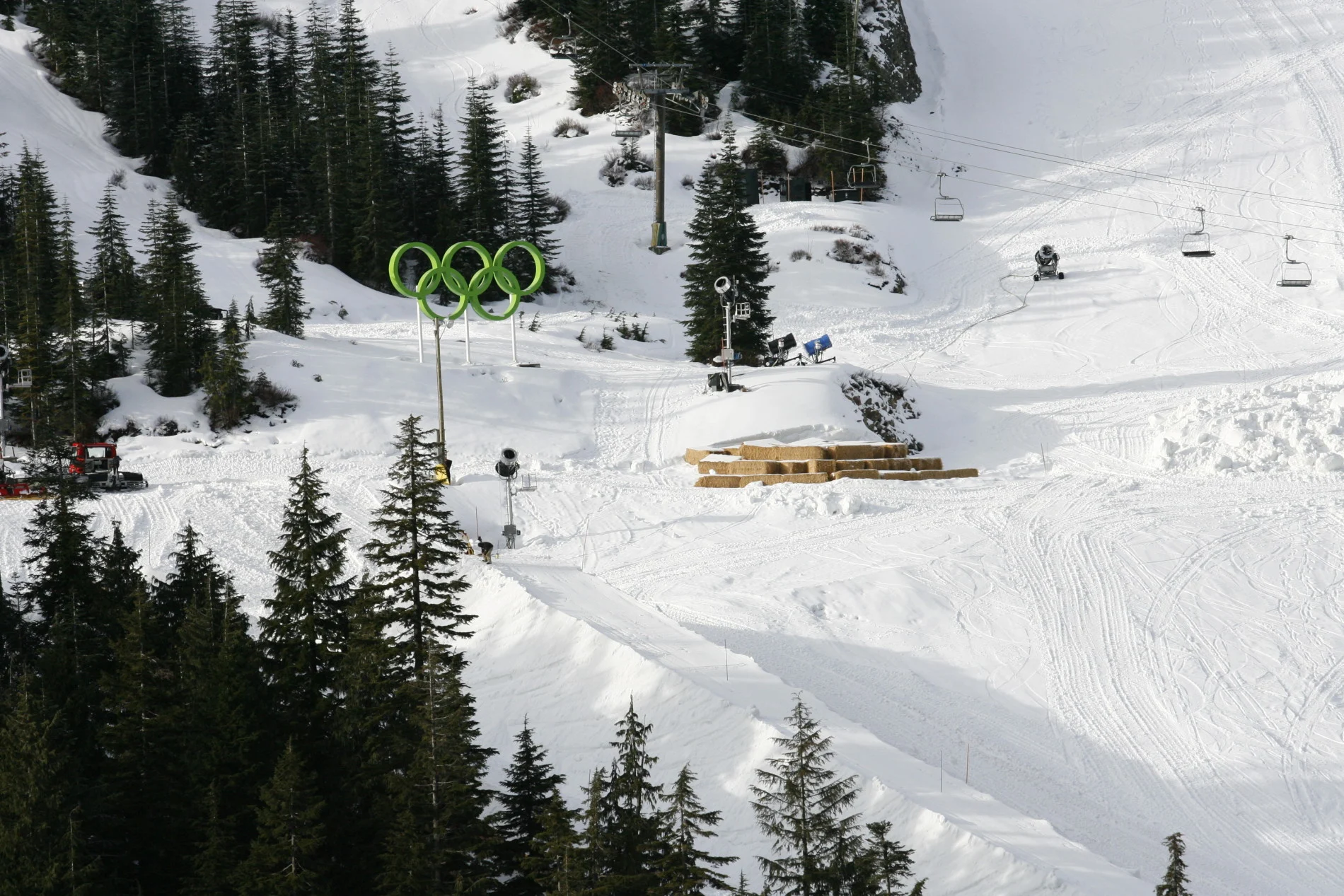
At the 2022 Beijing Games, competition relied almost entirely on artificial snow, underscoring how dependent winter sport has become on technology as natural snow becomes less reliable.
Officials are considering whether future Winter Olympics should move earlier, possibly into January, with the Paralympics potentially shifting into February, to avoid warmer, late-winter conditions that increase snowmelt risk.
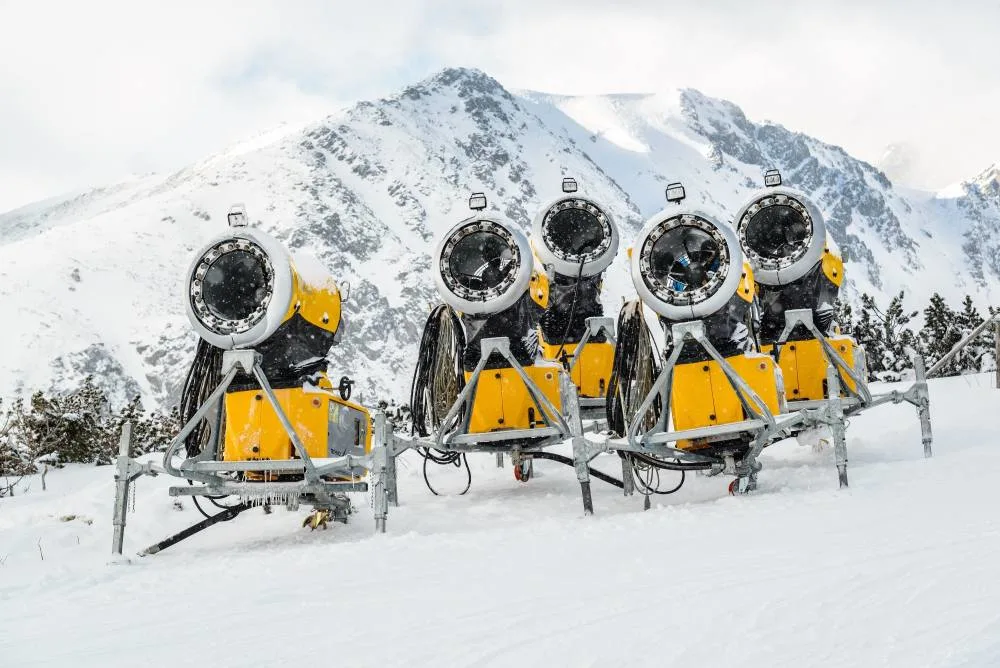
(Michal Mrozek/Submitted)
“We are reviewing the size of the games, the mix of sports and disciplines, options for new additions. We also look at potential crossovers between summer and winter sports. And, in second stage, we will look at how the games fit within the global sports calendar," said Karl Stoss, head of the Olympic Programme Working Group.
Researchers say earlier scheduling could significantly expand the number of places able to host both the Olympics and Paralympics--without abandoning the one-city, hosting model.
Those talks are part of a broader review of how the Games can remain viable in a warming world.
“We recognize that we are dealing with a number of divisive and sometimes sensitive topics… but our responsibility is clear," said Stoss.
Thumbnail courtesy of Kim Stallknecht / Stringer/ Getty Images Sport.
