
1960s bottles from Newfoundland wash ashore in Scotland

Unusual weather likely pushed the vintage bottles ashore, experts say.
Plastic bottles dating back to the 1960s and 1970s that appear to have come from Canada have washed up on Howar Sands, a beach located on Scotland’s Orkney archipelago.
It’s not clear how long they have been there, but they were recently discovered by members of Sanday Community Craft Hub. The group organizes regular shoreline clean-ups, and posted photos of the vintage bottles on Facebook on February 12.
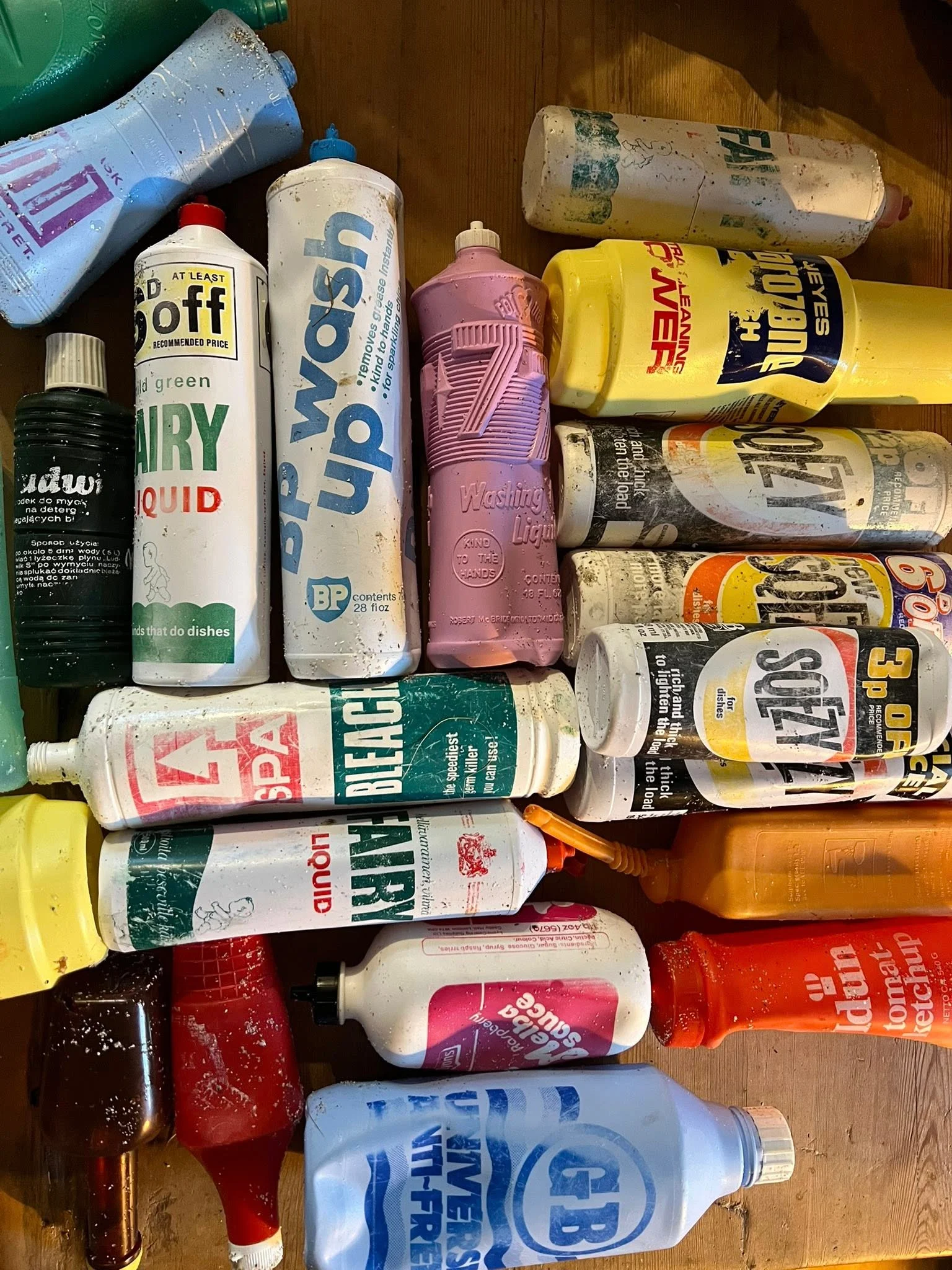
Some vintage bottles that washed ashore appear to have originated in 1960s or 1970s Newfoundland and Labrador (Sanday Community Craft Hub/Facebook)
Trash from the Maritimes
The past few weeks have been particularly bad along Orkney’s shores, with unusually large volumes of plastic waste making landfall.
A report by the BBC links the increase in trash to a bout of “extraordinary” weather that includes south-easterly winds strong enough to drag up plastic that has been floating in the ocean for decades.
The vintage bottles from Canada appear to have originated from Newfoundland and Labrador, the BBC reports.
The Marine Conservation Society told the publication that it’s not uncommon for decades-old trash to wash ashore due to seasonal storms, and that eroding coastal landfills often release “vintage” bottles as well.
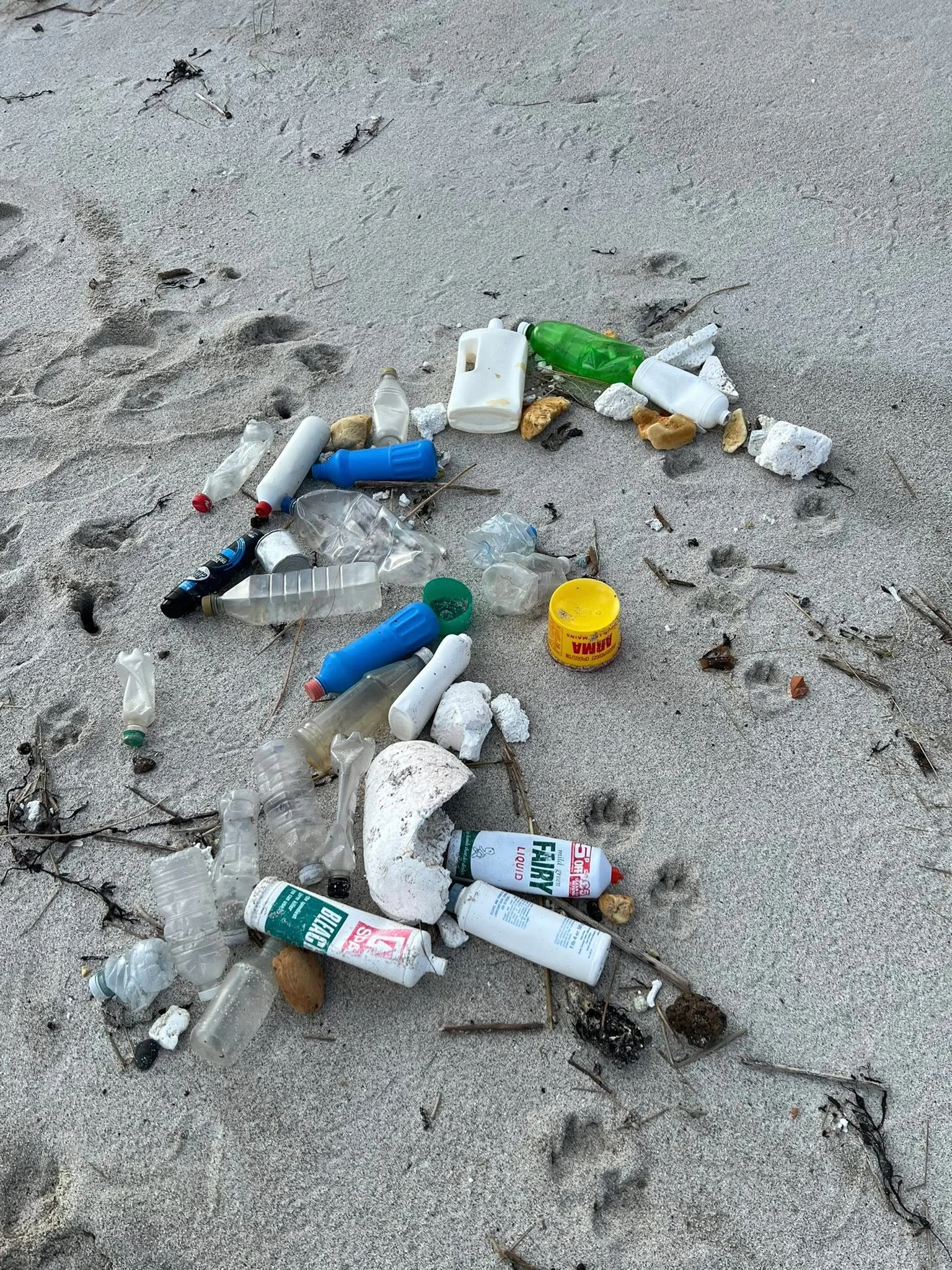
(Sanday Community Craft Hub/Facebook)
Volume of plastic “overwhelming”
“Looking at the sheer volume of waste photographed, it doesn't matter if it was recently washed ashore or unearthed from years beneath the dunes. It is all our rubbish. When we buy plastic, it exists forever. Whether it ends up in the sea, on the beach, or in landfill, it remains a debt for future generations,” reads a Facebook post by beach cleanup organizer David Warner.
Warner told the BBC that last year, he gathered 42 plastic bottles along the beach, but this year, he has found hundreds.
“I used to find the old logos and dates interesting, but today, for the first time, I felt truly overwhelmed. We all buy plastic; often, it feels unavoidable. This post isn't about offering easy solutions or cast blame. I just think it is important to look at the problem head-on and let it sit—just as this plastic sits along our shores.”
In a separate Facebook post, Warner says he calculated the number of polystyrene pieces in a single square metre on Howar Sands, scaled it up, and estimated there are more than 300,000 polystyrene fragments lying across 70 square metres of coast.
Studies have shown plastic can travel for thousands of kilometres as it sinks deep into the ocean. It can remain submerged for centuries, only to wash ashore far away from its place of origin following a severe weather event.
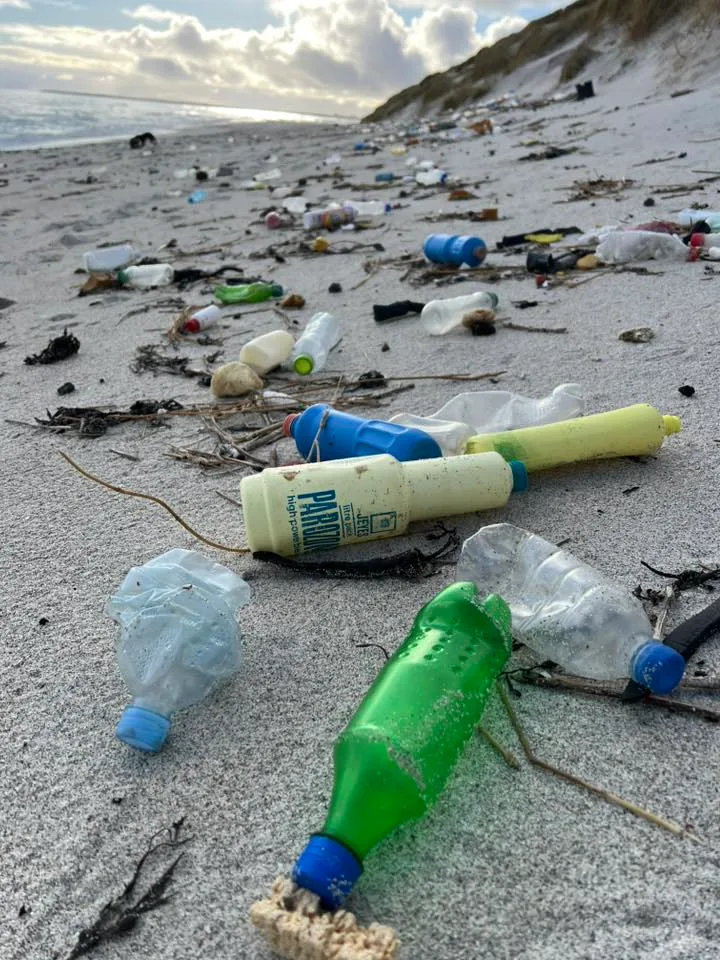
(Sanday Community Craft Hub/Facebook)
RELATED: Plastic People: Film finds humans are 'infected' with microplastics
Header image: File photo for illustration purposes only, sourced from Canva Pro.
