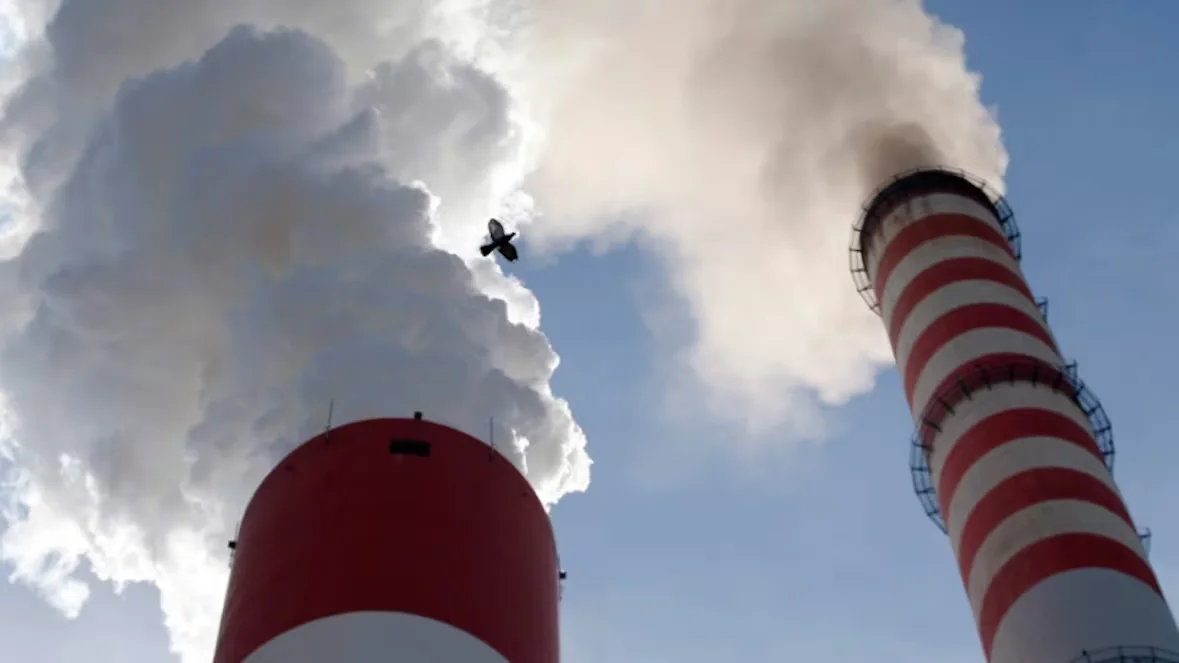
Study shows draining Prairie wetlands is increasing Canada’s carbon footprint

Sandy Lowndes, a grain farmer near Kelvington, Sask., says her land has been illegally drained onto for decades.
She describes a domino effect, with drainage from properties higher up the creek spilling onto the properties beneath it, until it reaches a highway.
SEE ALSO: Ghost trees tell taxing story of sea level rise and extreme flooding
About 50 acres of her Kelvington farm has been affected over the last 30 years and the cost has added up, she said.
“I can grow 50 bushels to the acre of oats on that. I can get eight bucks a bushel from my oats,” Lowndes said.
“I think it worked out to something like $750,000.”
Meanwhile, the properties on higher ground can maintain profitable acreage.
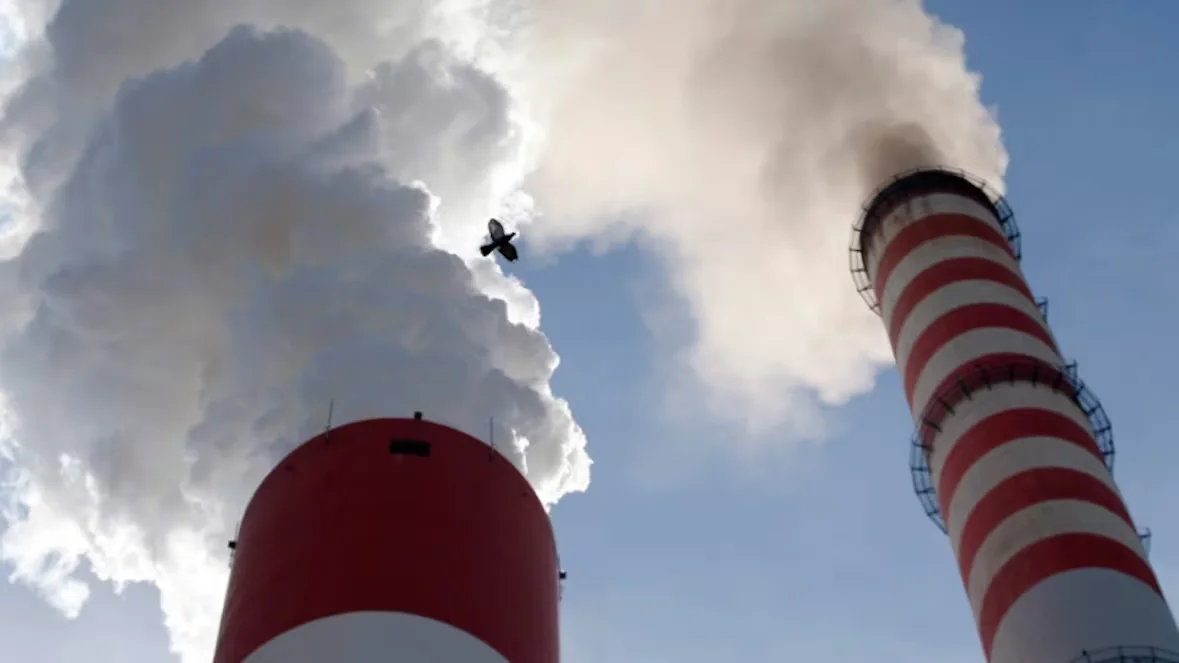
Over 3 million tonnes of carbon dioxide is released across the Prairies from wetland drainage, says Kerri Finlay, one of the lead authors of the study. (CBC)
A new study has found that wetland drainage on the Prairies is increasing Canada’s carbon footprint.
The study, published in Facets, an international science journal, shows that draining small prairie wetlands is significantly adding to greenhouse gas emissions, according to assessments across the Prairie Pothole Region (PPR) by scientists, farmers, Ducks Unlimited Canada and the National Farmers Union.
The PPR is characterized by millions of shallow and seasonal wetlands. The study found many of these wetlands continue to be removed to increase farmable acreage.
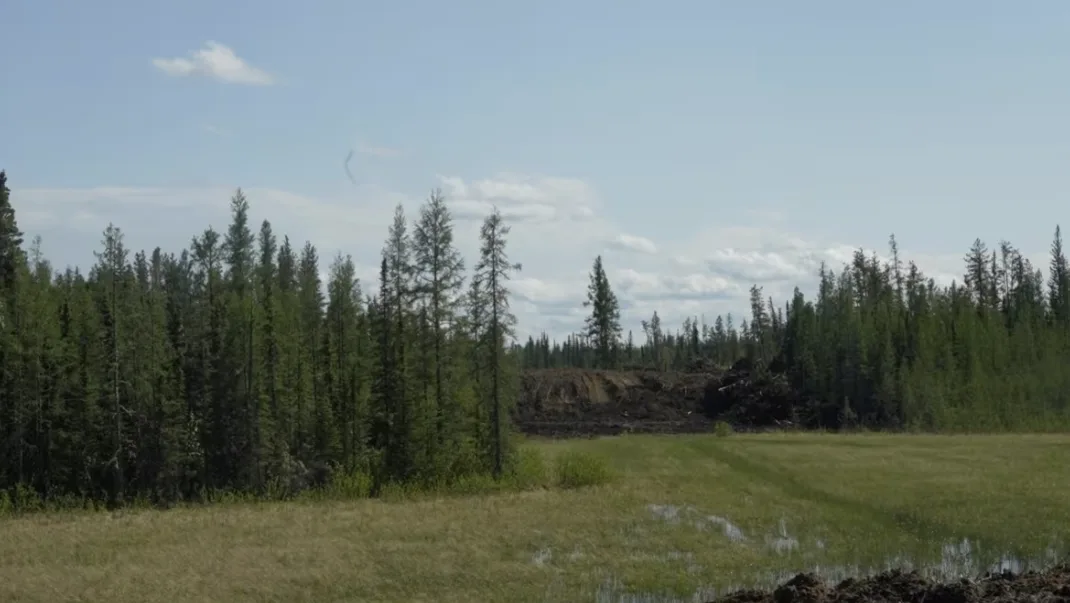
(Luke Ettinger/CBC)
That's the reality in Kelvington, Lowndes said.
“They might buy a quarter for $100,000 because it's got, let's say it's got a 10-acre slough on it or a wetland," she said..
“They immediately drain it, let's say onto me, and I bought my quarter for $100,000. Well, now their quarter's worth $150,000 because they've got more croppable acres.”
Lowndes said if she were to try to sell her quarter, she would lose a significant amount of money due to the water sitting on her land.
The provincial Water Security Agency (WSA) is currently offering up to $25,000 to farmers and landowners who are considering drainage projects, through the Agricultural Water Management Fund.
The money is to help advance projects, including preparing drainage applications, assistance with project planning and acting as a liaison between landowners, according to the agency's website.
Kerri Finlay, a Canada Research Chair and director of the Institute for Environmental Change and Society at the University of Regina, is one of the lead authors of the study.
(Getty Images/Francesco Scatena/1500037052-170667a)
She knew about the ongoing conversations around wetlands in Saskatchewan and wanted to look further into their ability to improve water quality, provide habitat for wildlife and help recharge groundwater when they’re intact, she said.
“We realized that we really didn't know nearly as much about their impact on climate change, on greenhouse gases."
Wetlands naturally produce large amounts of methane, Finlay said.
Considering that, she wanted to know if there was a benefit to removing them. Once they are drained, wetlands release carbon dioxide, she noted.
“We just weren't sure how it all added up."

(buzbuzzer/ E+/ Getty Images)
While there is research to show the different components of greenhouse gas emissions from aquatic ecosystems, and how agricultural practices affect them, it's quite scattered, Finlay said. The study aimed to compile the best available literature and asses the net result.
Finlay said the biggest conclusion of the study is that when wetlands are drained, a rich organic carbon accumulated over centuries is exposed to oxygen, starts to break down and respires as carbon dioxide.
“The carbon dioxide that is released through that exposure of the wetland sediments to oxygen is absolutely massive and it just swamps every other component that we looked at,” she said.
Over three million tonnes of carbon dioxide is being released across the Prairies, and draining wetlands is adding another eight per cent a year, resulting in around $170 million in carbon pricing, she said.
“It's costing a lot of money at a detriment to the environment.”
WATCH: How 'stratospheric dehydration' could help offset carbon emissions
Thumbnail courtesy of CBC.
The story was originally written by Aliyah Marko-Omene and published for CBC News.
