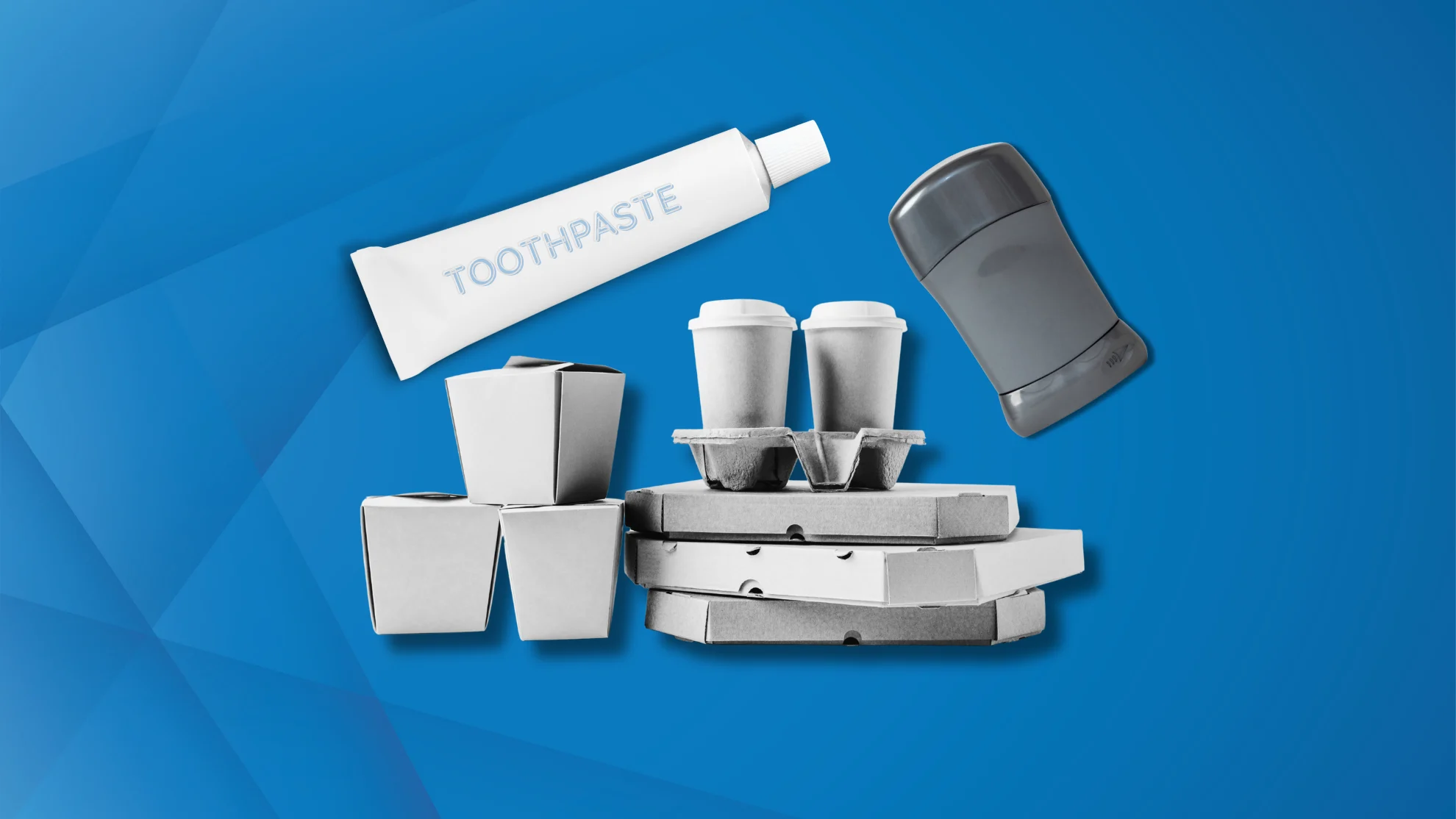
Changes to Ontario's blue bin program: Dos and don'ts

Since the start of the new year, 383 locales and 12 First Nations communities in Ontario have fully transitioned to the new program, which is 100 per cent funded by the companies that create packaging products for the province.
On January 1, 2026, notable changes to Ontario’s blue box program went into effect. Now, some big-ticket items, including disposable coffee cups, black plastic, and toothpaste tubes can go into your residential recycling bin, provided the containers are empty and rinsed.
Residents are still unable to recycle hazardous materials like batteries, because they can start fires at collection facilities.
For those items, people will have to continue to use the Recycle Your Batteries, Canada program, which has about 15,000 drop-off locations nationwide.
Since the start of the new year, 383 locales and 12 First Nations communities in Ontario have fully transitioned to the new standardized program, which is 100 per cent funded by the companies that create packaging products for the province. This move is the final phase of a three-year transition that began in 2023.
It is managed by a not-for-profit program called Circular Materials. The organization estimates the initiative will save Ontario municipalities more than $200 million in costs.
The policy is called extended producer responsibility, or EPR, which makes packaging producers responsible for the end-of-life management of their products.
To find out if your community is included in the program, you can search your city name on the Circular Materials website, or download the Circular Materials app.
Full list of items accepted in Ontario blue bins
Here is the full list of items that can go into residential blue bins, as per Circular Materials.
The organization says the plan has streamlined recycling because as of January 1, the same materials can be recycled anywhere, without individuals having to determine what goes where in each community.
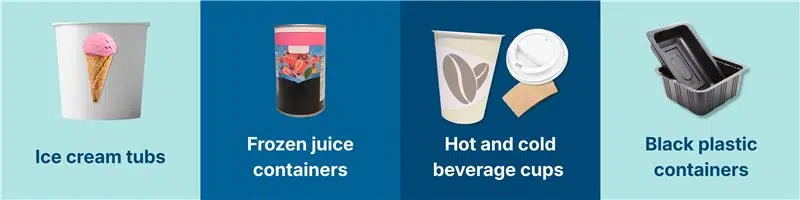
(Circular Materials)
Paper and fibre
Pizza boxes.
Direct mail boxes.
Moving boxes.
Shoe boxes.
Cereal boxes.
Tissue boxes.
Egg cartons.
Toilet paper and paper towel rolls.
Paper laminate packaging.
Pet food bags, food service paper bags, and plates.
Spiral cans.
Cookie dough packages.
Ice cream containers.
Hot and cold beverage cups.
Beverage cartons.
Juice and milk cartons.
Coffee creamers.
Sugar cartons.
Soup and sauce cartons.
Any coloured paper, including: Flour bags, prescription bags, and paper produce bags.
Notepads, white or coloured loose paper, file folders, and other printed materials.
Community newspapers, flyers, brochures and magazines.
Greeting cards and envelopes, gift boxes.
NOTE: This does not include soft or hard-covered books/novels.
Plastic and foam
Laundry detergent and household cleaner jugs, shampoo, body wash, salad dressing, condiment, dish soap, mouthwash bottles, and plastic beverage bottles.
Plastic packaging and containers.
Food trays for salad, yogurt, peanut butter, bakery and egg containers, plastic cups, plastic tubs, and lids.
Toothpaste tubes, deodorant, and hand cream tubes.
Hand sanitizer bottles, medication bottles, blister packs, and plant pots with the lids on.
Bags used for dry cleaning, bread, newspapers and flyers.
Overwrap (paper towel & toilet paper, beverage containers).
Coffee bags and/or deli pouches, chip bags, bubble wrap, snack wrappers, cereal liner bags, and plastic gift bags.
Meat trays.
Takeout containers.
Cups, plates, bowls, and foam packaging for products.
NOTE: Alcoholic beverage containers are not included.
Metal
Food cans, metal lids, cookie, coffee and tea tins, beverage cans.
Aluminum foils and trays.
Aluminum foil, pie plates, frozen food trays.
Aerosol containers.
Food spray, hairspray, air fresheners, shaving cream, and deodorant.
NOTE: Aerosols with toxic, corrosive or flammable symbols are not accepted, with the exception of: Cooking oil sprays and products designed for food, hairsprays, cosmetics, and products designed to be used on hair/skin.
Glass
Clear and coloured glass.
Food containers, jars and bottles, cosmetic containers, spice bottles, oil and vinegar bottles, and non-alcoholic glass beverage containers.
Header image: Made with elements sourced from Canva Pro.
