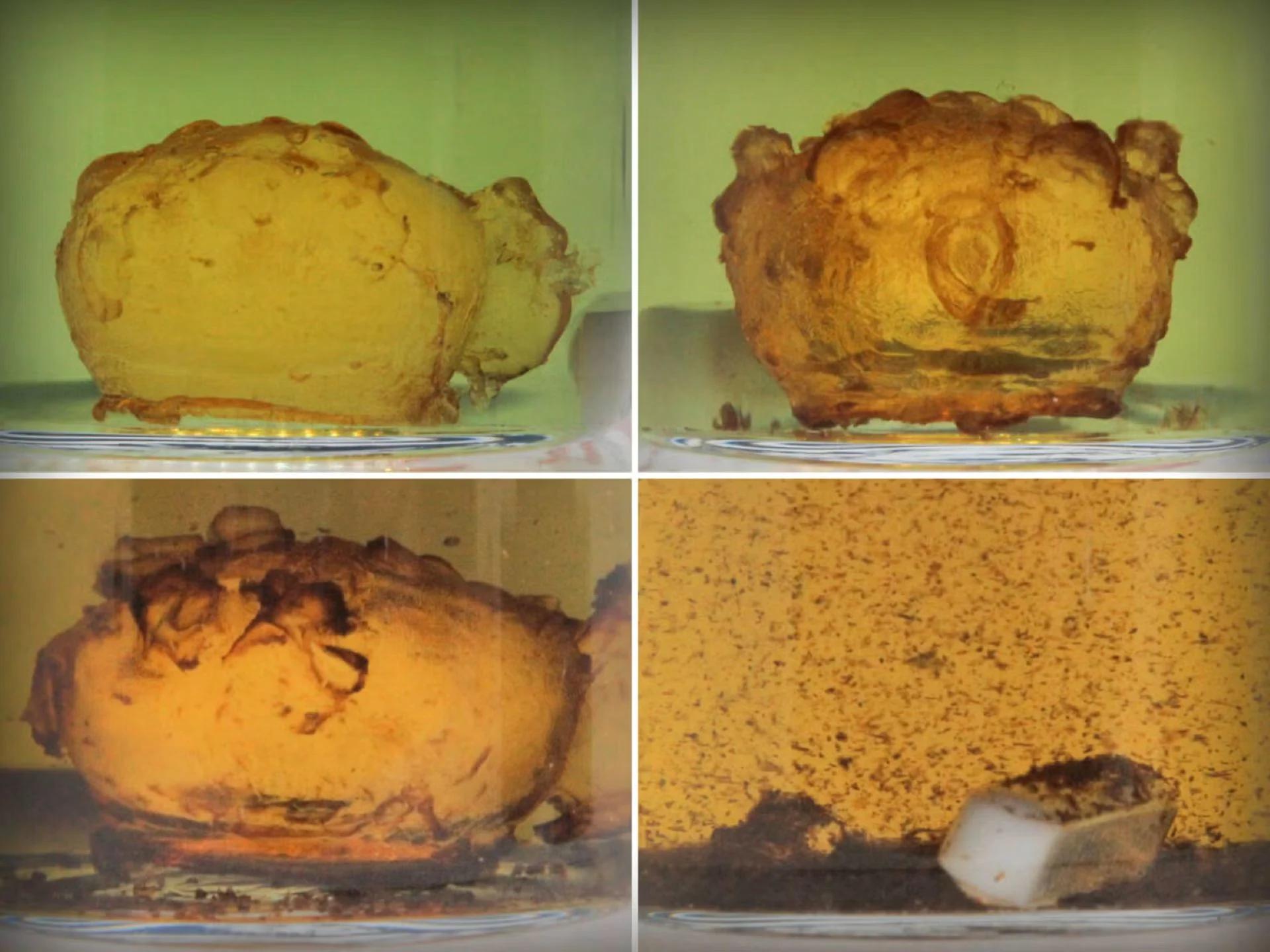
Scientists find effective way to dissolve a recycling-resistant plastic

A newly engineered enzyme variant has been shown to be effective in completely breaking down a tough plastic in a laboratory setting.
Many scientists have been working feverishly to find effective solutions for breaking down plastics in an effort to reverse the growing pollution problem across the globe.
Well, researchers at the University of Texas at Austin and Sandia National Laboratories may have found something for one type of plastic. The team has formulated an easy method for breaking down durable plastics that currently lack a usable recycling option.
According to a news release, this method uses less energy and produces less waste than incineration, allowing for the full recovery of valuable fibres. The results were published in the journal, Science Advances.
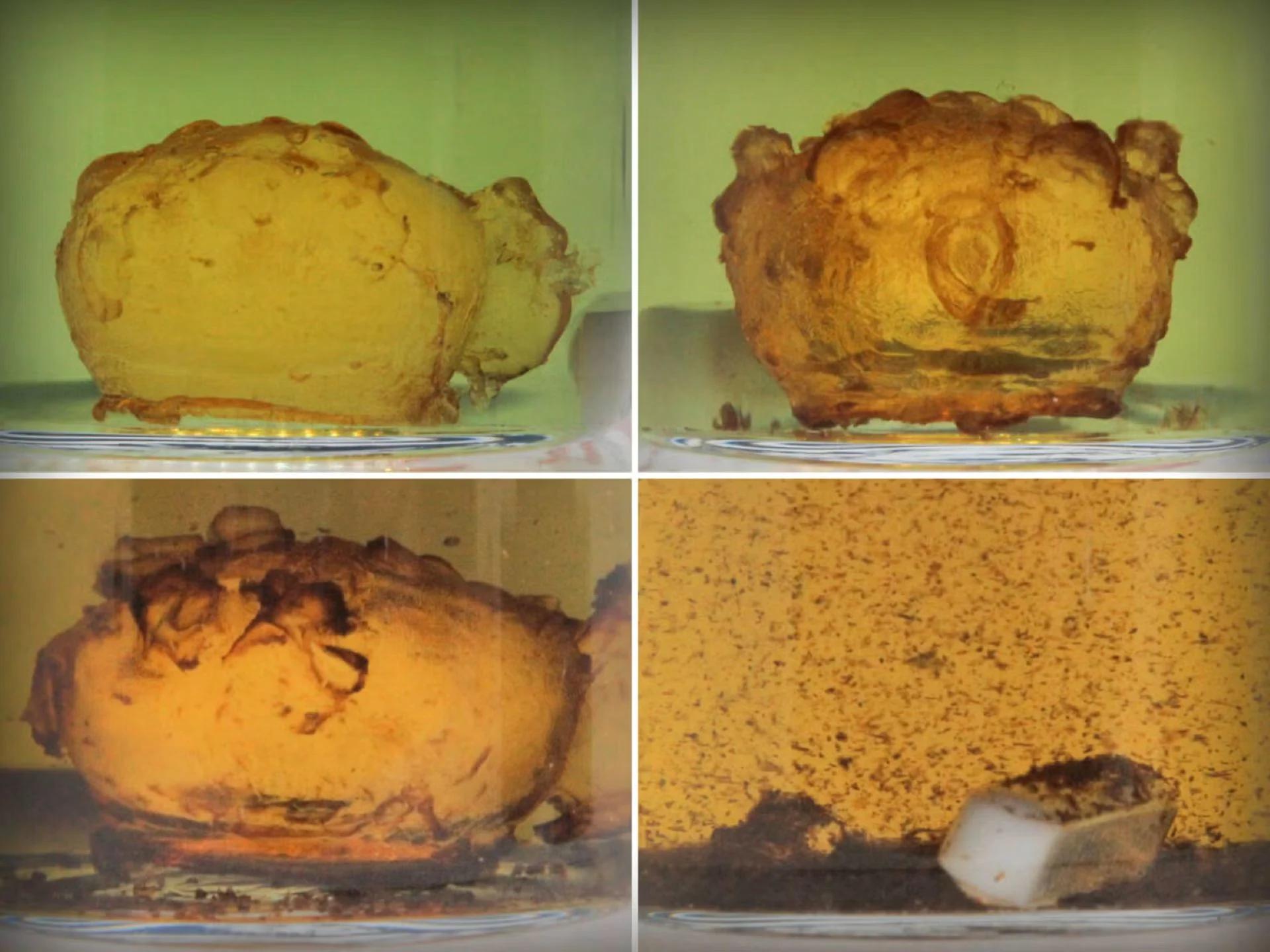
(University of Texas at Austin)
“Before now, people might have avoided using these materials, despite their strength, durability and lightness, because they didn’t have a good way to recycle them,” said Zak Page, a UT associate professor of chemistry and an author on the paper, in a news release.
“Switching to pDCPD (polydicyclopentadiene) might mean the same product can perform better, while also having a longer lifespan before it needs to be recycled. I hope this will encourage more people to consider using pDCPDs.”
Scientists find hopeful solution
The study said that despite its versatility and abundance, the high durability of pDCPD greatly limits recycling.
Authors of the study offer a green, expandable strategy for the chemical breakdown of pDCPD thermosets and composites while using chemical recycling based from metathesis.
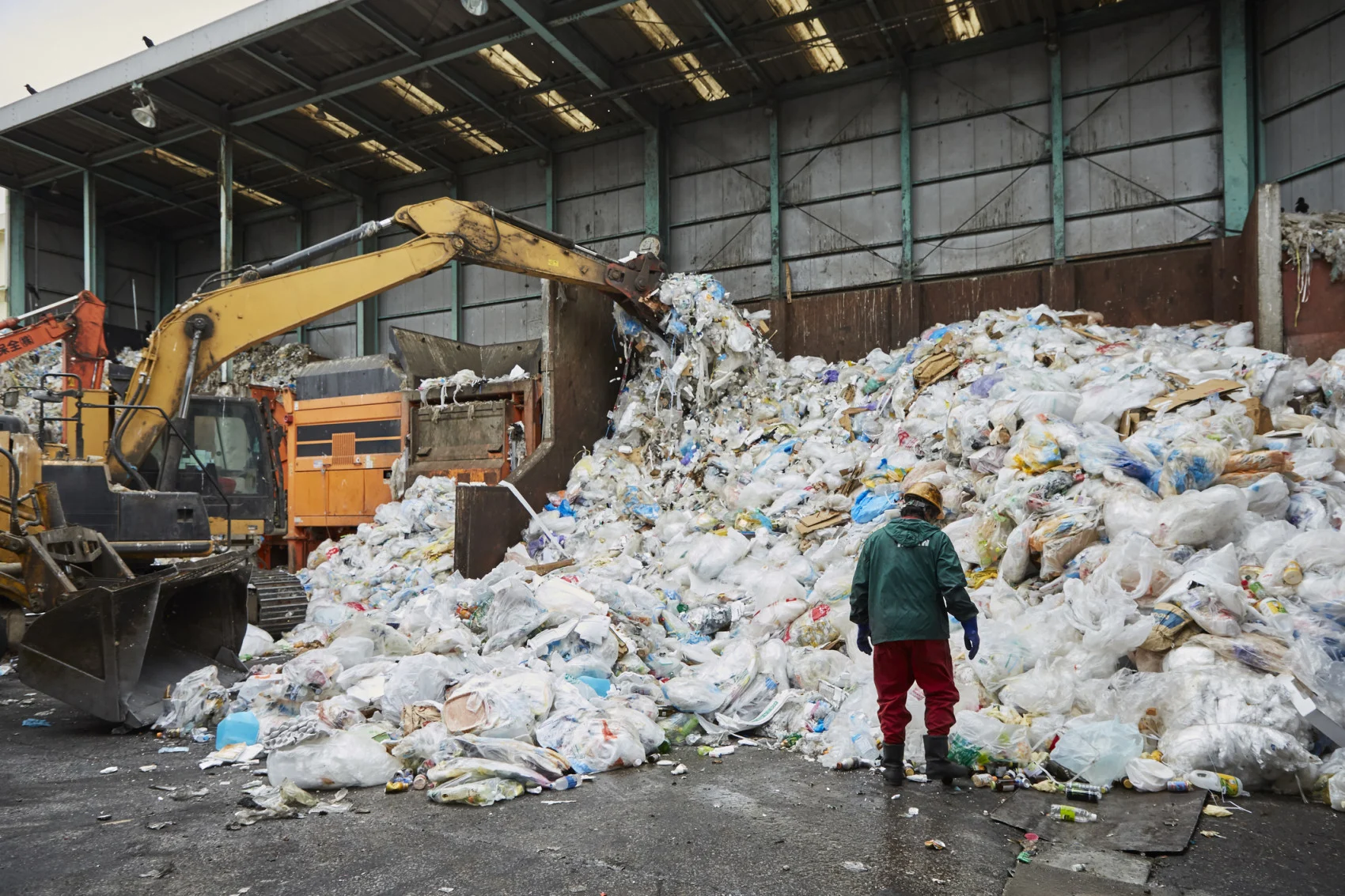
(Makiko Tanigawa/ DigitalVision/ Getty Images)
"Key findings include the identification of cyclopentyl methyl ether as a 'green' processing solvent for mild deconstruction, and an understanding of the catalytic fragmentation mechanism wherein both ring-closing metathesis and chain transfer pathways are present," the authors said in the study.
To diffuse a pDCPD-constructed object with the newfound method, scientists put it in a solution that contained eco-friendly solvent and a catalyst containing ruthenium.
The object was then stirred for various periods of time, ranging from hours to days, depending on its size, the University of Texas at Austin noted.
"In a process that looks like a sugar lump dissolving in water, the plastic deconstructs and dissolves in the solution, leaving behind a powder that can be reused in new plastics. Any fibres, such as carbon or glass, that were added to pDCPD can also be isolated in pristine form and reused in new materials," the university said in the news release.
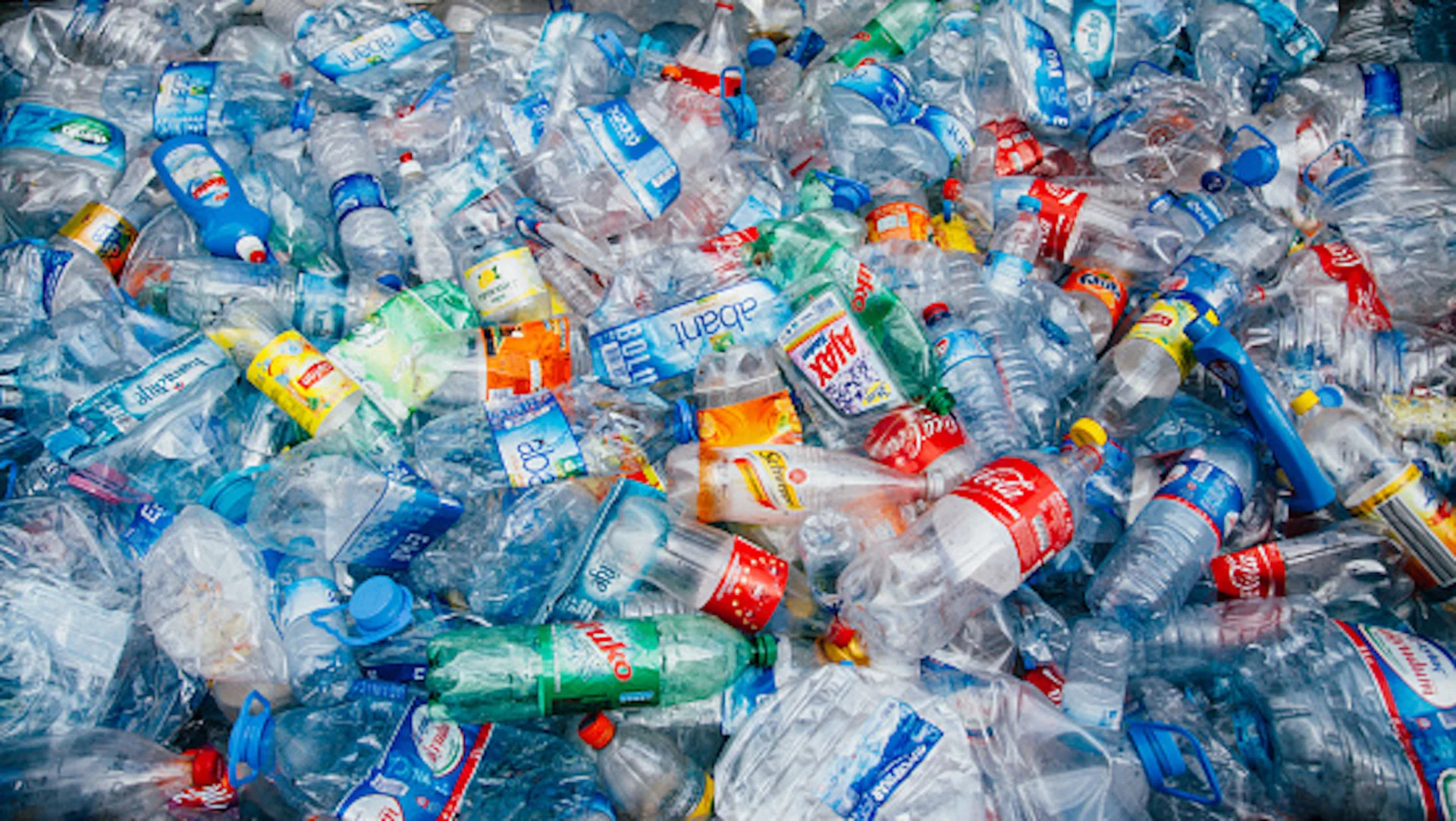
(Getty Images/Sami Sert/629554844-170667a)
Much of everyday items are made from various types of plastic, so the results of the study provide optimism that a circular life cycle for pDCPDs could eventually be initiated, comparable to the progress made in recent years by UT researchers in an effort to tackle even more prominently used plastics, including those in water bottles and disposable bags, according to the Austin, Texas-based university.
The school noted that pDCPD is commonly used in products such as vehicle bumpers, construction equipment and chemical storage tanks, to name a few.
It pointed out, however, that items made with pDCPD are arduous to recycle, so they are often incinerated instead--a process that requires ample amounts of energy, produces harmful byproducts and degrades fibres blended in for reinforcement.
Thumbnail courtesy of the University of Texas at Austin.
