Wildfire prevention at risk as FireSmart funding dries up in B.C.

Communities across B.C. are wondering what the future holds for wildfire prevention and preparedness, as the province runs out of funding for the FireSmart program.
FireSmart B.C., is a program that teaches the public and communities about ways to mitigate the impact of wildfire near homes, and provides funding for things like retrofits and building upgrades to make them more resilient to fire.
According to the Union of B.C. Municipalities, the province has provided more than $175 million for FireSmart since 2018. Only $25 million in funding for the program remains — money that will be divided up based on who needs it most.
West Kelowna Fire Chief Jason Brolund said that money will go fast, and could leave some communities high and dry.
LOOK: The hidden dangers of spring sun exposure, and how to manage risks
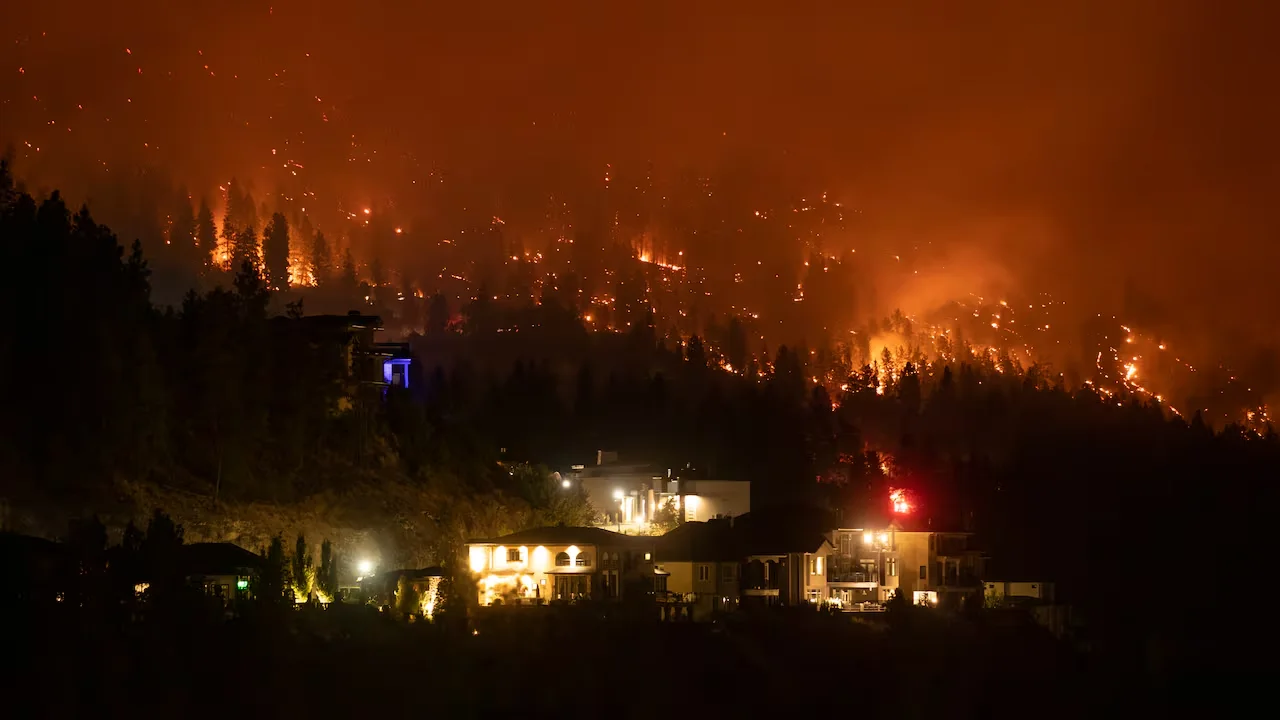
"This is a very important program and we know it works. We know it works because I've seen it with my own eyes," said Brolund, who led his community through the 2023 Okanagan wildfire season, which saw three wildfires damage or destroy 303 structures.
After that fire, scientists visited the community to figure out what happened, and why some homes were spared by the fire and others decimated.
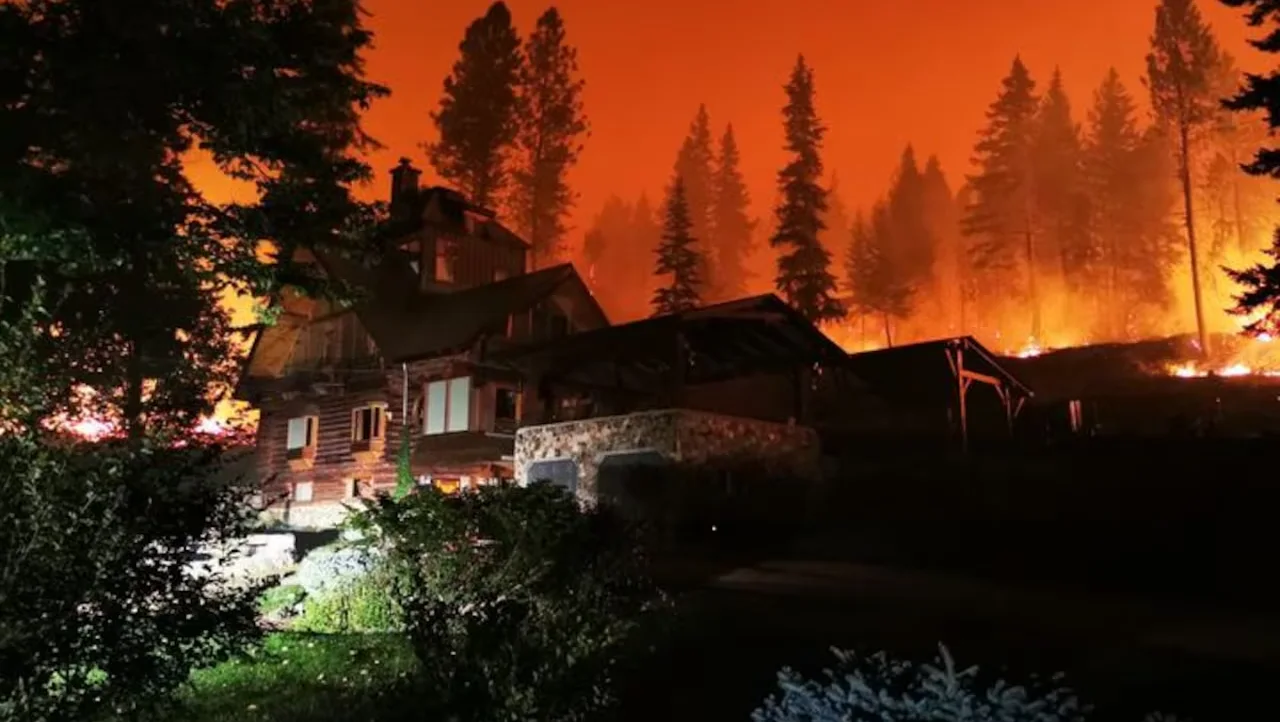
Hundreds of homes, including this one in Lee Creek, were threatened during the 2023 Okanagan wildfires. (Jim Cooperman/Facebook)
Their report looked at 21 homes that were damaged and 17 that weren't. It found the ones that were damaged mainly featured coniferous trees like cedars and junipers within 10 metres of the structure, were located on steep slopes, had combustible siding and decks and plenty of easily ignitable material quite close to the home, like firewood, lumber and vehicles — all things the FireSmart program touches on.
"FireSmart is a critical program for us," Brolund told CBC's Daybreak South. "It's part of learning to live with wildfire in our communities."
The B.C. Wildfire Service doesn't usually share its seasonal outlook until April. Much of the province has experienced a mild winter over the past few months, with warmer than average temperatures and little snowfall — which has the potential to lead B.C. into a dry spring and summer.
CHECK OUT: Salt stains? Try removing them with these 3 ingredients
'Simply ran out of money'
Forests Minister Ravi Parmar said that while the program has been successful, the province "simply ran out of money."
"The reason we have run out of funding for this program is just because of the mass need for it and the fact that so many communities are putting in applications. I see that as a good problem. It shows that this program is still required," Parmar said.
The province has projected a more than $11 billion deficit for this current fiscal year. The finance minister is set to release the next year’s budget on Feb. 17.
In its 2025/26-2027/28 service plan, the Ministry of Forests commits to wildfire mitigation, which includes the use of the FireSmart program.
Parmar said that since the program started, he's heard both positive and negative reviews about it. He said running out of money means the government can review the current program so that he can figure out how to run it in the future.
In the meantime, the way communities apply for the remaining FireSmart funds has changed; rather than communities applying and getting funding based on a first-come first-served basis, there will be an adjudication process based on merit and priority.
SEE ALSO: This is the one liquid you need this spring!
Brolund worries this means communities will be competing with one another — even though they all face serious risk when it comes to wildfires.
"We're going to have to essentially arm wrestle with our neighbours for funding."
WATCH BELOW: 4 steps to protect your home and prepare for wildfire season
This article, written by Courtney Dickson, was originally published for CBC News. With files from Daybreak South and Rafferty Baker