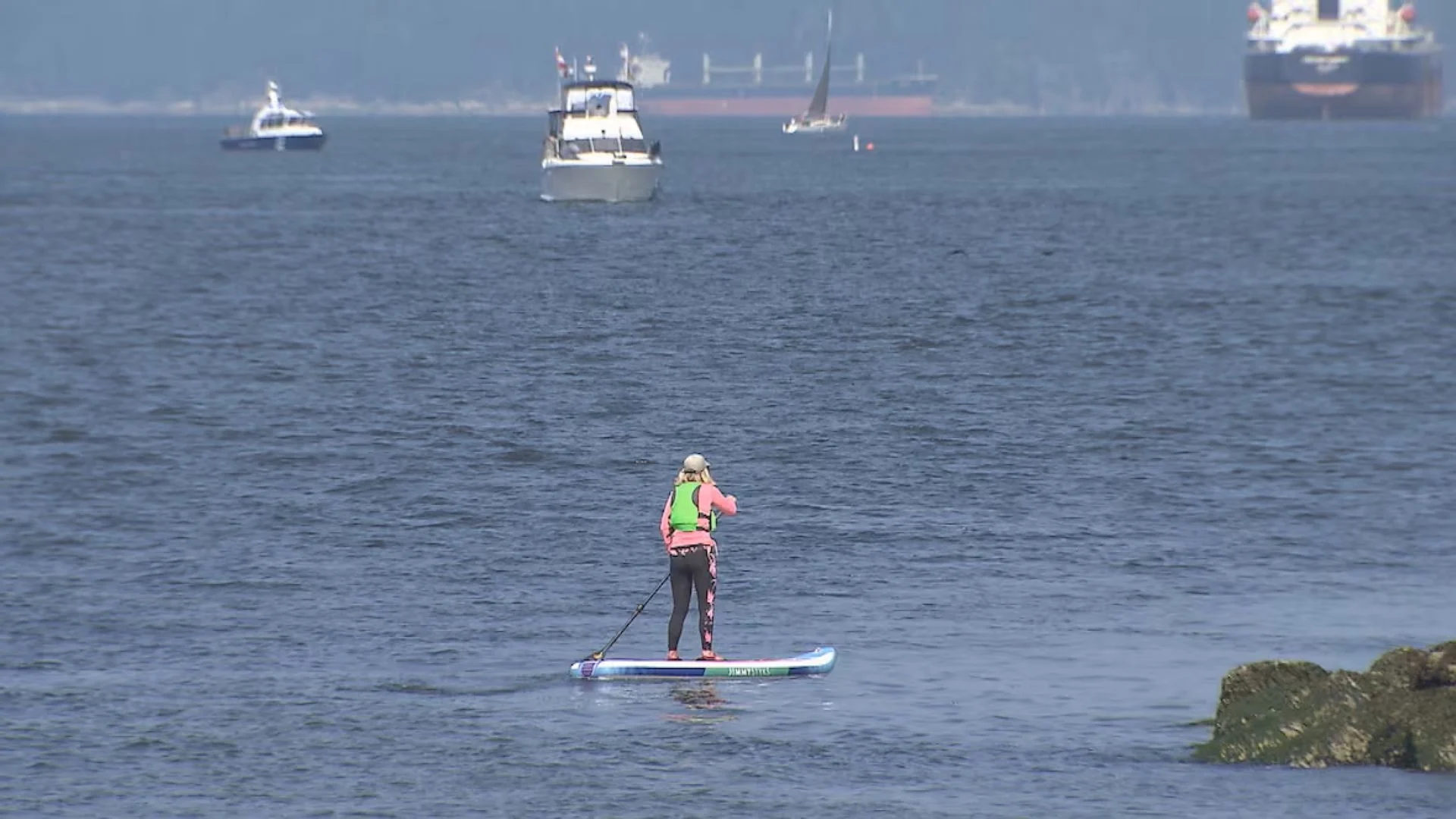
B.C. drowning deaths rise sharply as safety groups urge life-jacket use

B.C. has recorded the sharpest increase in drowning deaths, higher than any other province or territory in Canada this year, according to the B.C. and Yukon Lifesaving Society.
The organization says at least 30 people have drowned in the province so far in 2026, a 50 per cent increase from the same point last year between January and July.
“It's an extremely alarming spike,” said Lenea Grace, the executive director for the society’s B.C. and Yukon branch.
The society’s preliminary report on water-related deaths shows Ontario has recorded the highest total, with 35 drowning fatalities as of July 6, up from 32 a year earlier.
(Getty Images/Image Source/56965106-170667a)
“Ontario does have a high rate of drowning due to its population, but proportionally we're very concerned about B.C.’s [50 per cent] spike,” she said.
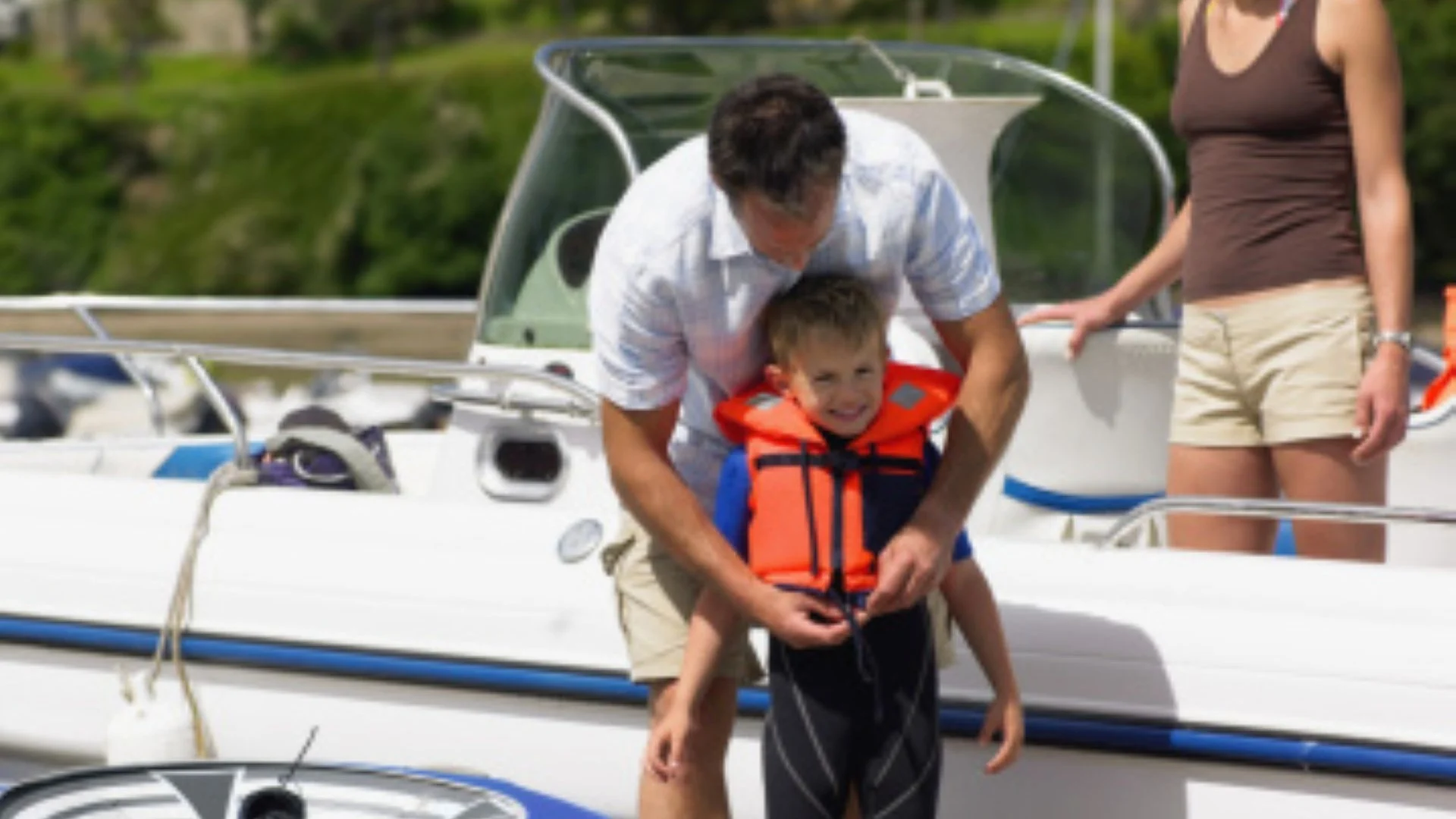
The deaths have involved swimmers, boaters, kayakers and paddleboarders and Grace says many incidents have involved people who were not wearing life-jackets.
The latest confirmed death happened Thursday evening at Hayward Lake in Mission.
Mission RCMP say a 58-year-old local man was paddleboarding when he is believed to have lost his balance and fallen into the water. Police say he had limited swimming ability and was not wearing a personal flotation device.
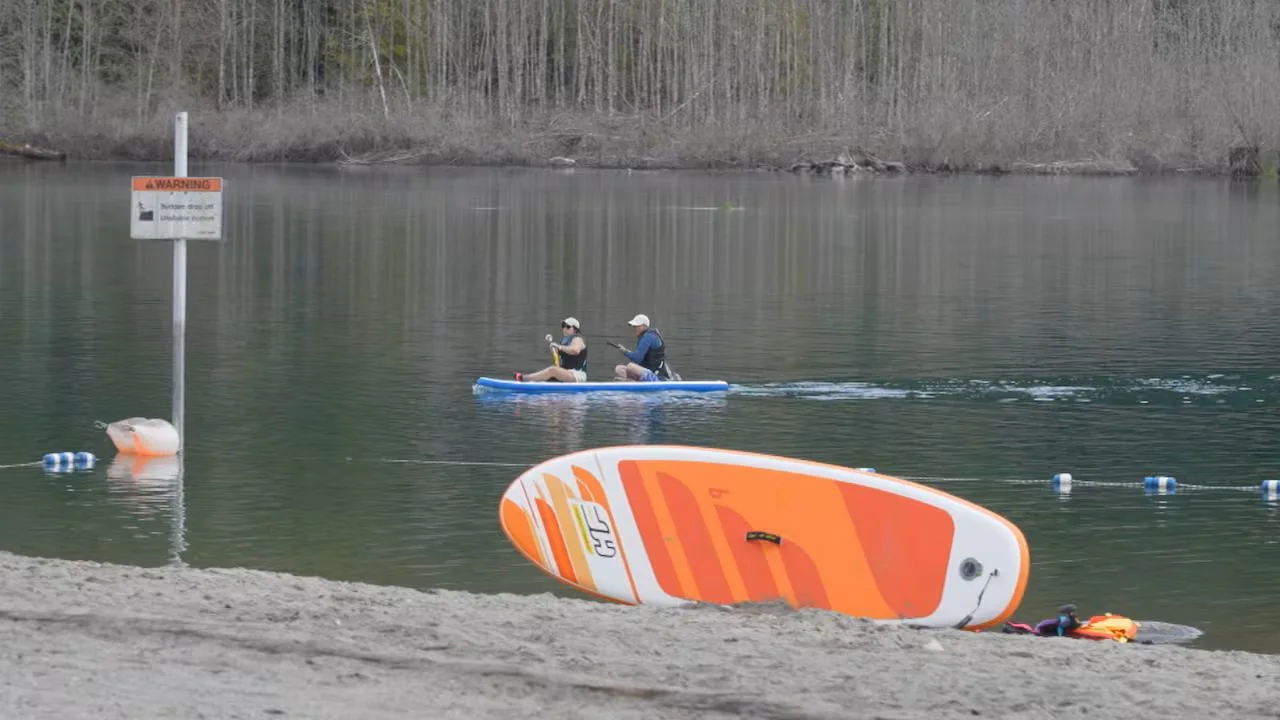
People paddle on Hayward Lake in Mission, B.C., on Saturday, July 11, 2026. On Thursday, a 58-year-old man drowned after falling from a paddleboard on the lake. (CBC)
It follows several other deadly incidents involving recreational water activities.
In late May, a couple died after falling from a paddleboard at Browning Lake near Squamish.
On June 28, a charter fishing boat sank near Roberts Bank with 10 people aboard, none of whom were wearing life-jackets. Four people were rescued, but one later died in hospital. Six others remain missing and are presumed drowned.
Grace said most drowning deaths in B.C. happen in natural bodies of water, with rivers accounting for the largest share, followed by lakes and the ocean.
“Regardless of your age and ability, everyone needs to wear one,” she said of life-jackets. “Not just pack it with you.”
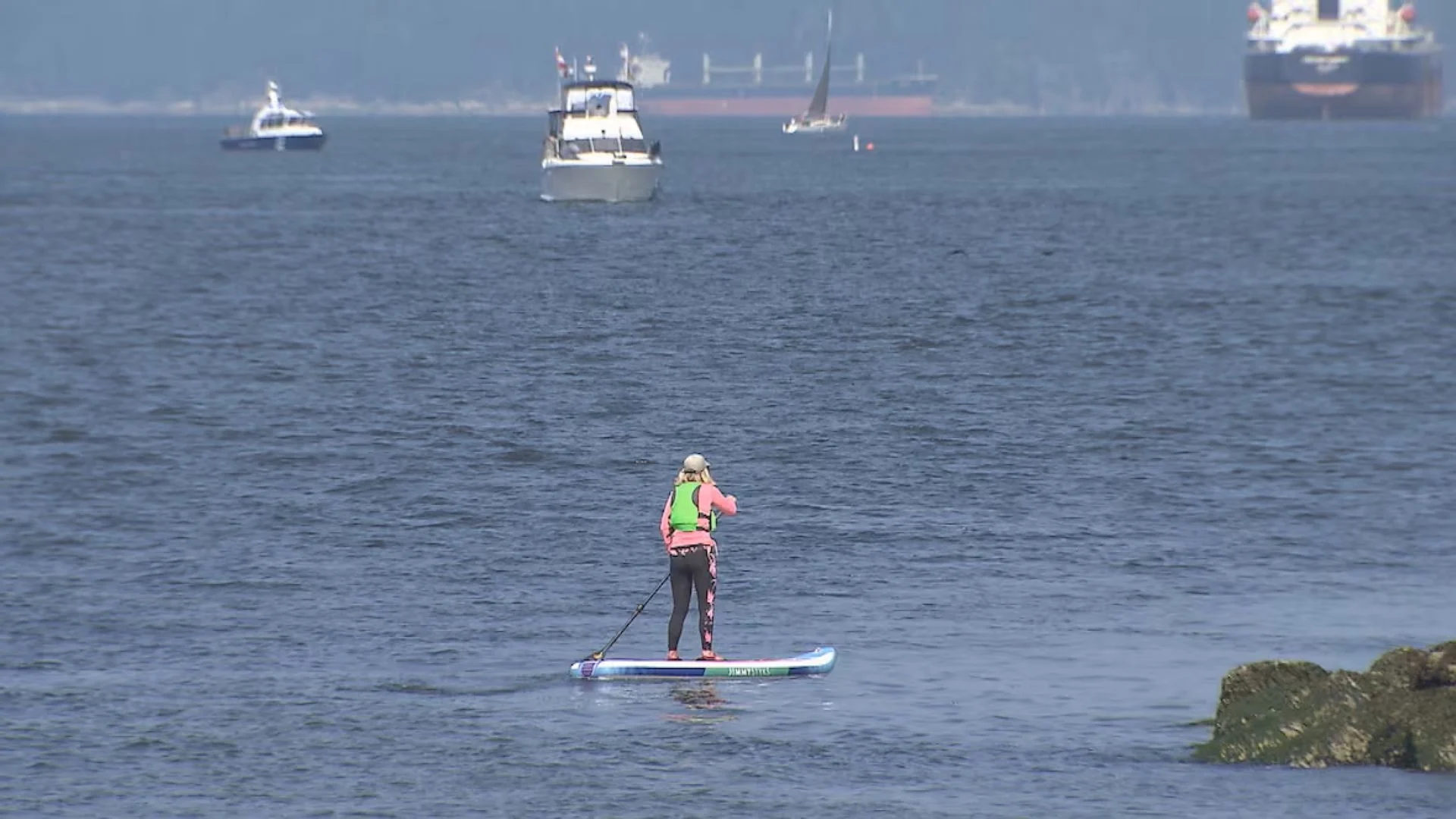
A paddle boarder on False Creek passes by Sunset Beach in Vancouver, B.C. (CBC)
Ann Mohs, an elite outrigger canoe athlete and former lifeguard, was at Hayward Lake on Saturday and said she was saddened to hear of the drowning at the lake.
She said paddleboards can look harmless but a fall can quickly become dangerous if a person cannot get back onto the board or has no one nearby to help.
“There is nobody to rescue you if you’re unable to get back on your board or if you’re not wearing a life-jacket,” she said.
“Having experience on water is very important. And I don't think people should be paddling on their own if they do not have the experience of being on the lake.”
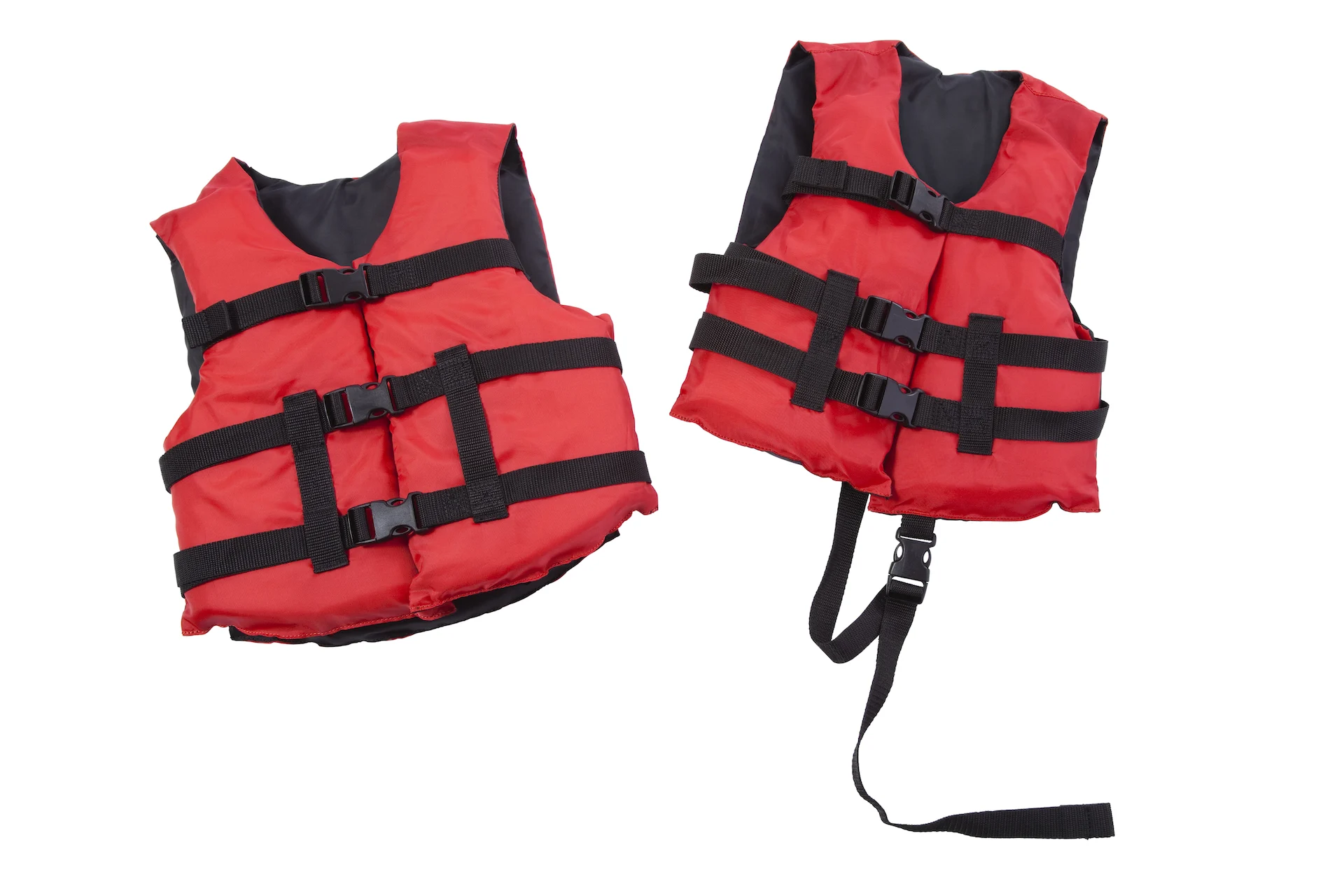
(Getty Images -176849836)
Sandra Riches, executive director of B.C. AdventureSmart, said easy access to lakes and rivers can create a false sense of security.
“Often when different outdoor activities are easy to get to, we often don't think things will happen to us, and at times they do,” Riches added. “Many times people go above and beyond their skill level.”
She said exceeding one’s abilities is the third most common reason for search-and-rescue calls in B.C., behind injury and becoming lost or disoriented.
Riches recommends following the “three Ts”: trip planning, training and taking the essentials so recreationists don’t attempt anything they aren’t prepared for.
“I'd just like to remind everybody that your destination is home,” she said. “The lake, the summit, the peak, the viewpoint is only halfway. You still need to return back.”
Thumbnail courtesy of CBC.
The story was originally written by and published for CBC News. It contains files from Tanya Fletcher, Addie Tiller and Kier Junos.