Clean tech gives hurricane debris a new life

In the wake of devastating storms like Hurricane Fiona, what happens to all of the fallen trees? Well, this groundbreaking solution not only clears debris efficiently but it also reduces wildfire risk and creates a nutrient-rich soil additive.
Making landfall as a strong, post-tropical cyclone in September 2022, Hurricane Fiona became the costliest weather event in Atlantic Canadian history.
With so much storm debris in its path of destruction, it was hard to find places to put it.
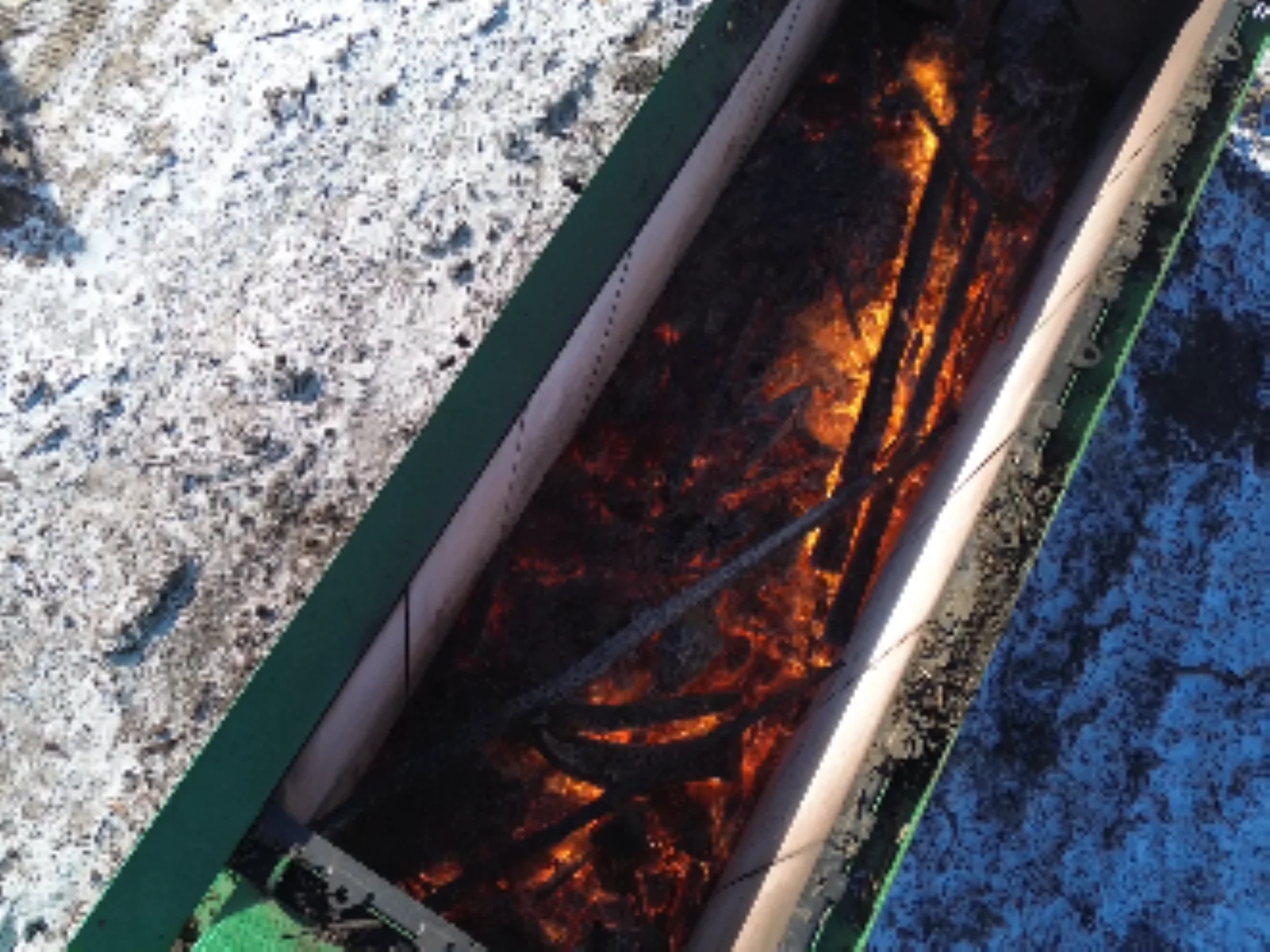
BioBurn Pros Inc. use air curtain burners to do storm debris management in an environmentally friendly and smoke-free process.
Air curtain burning is a technology that pumps high pressure air into the fire.
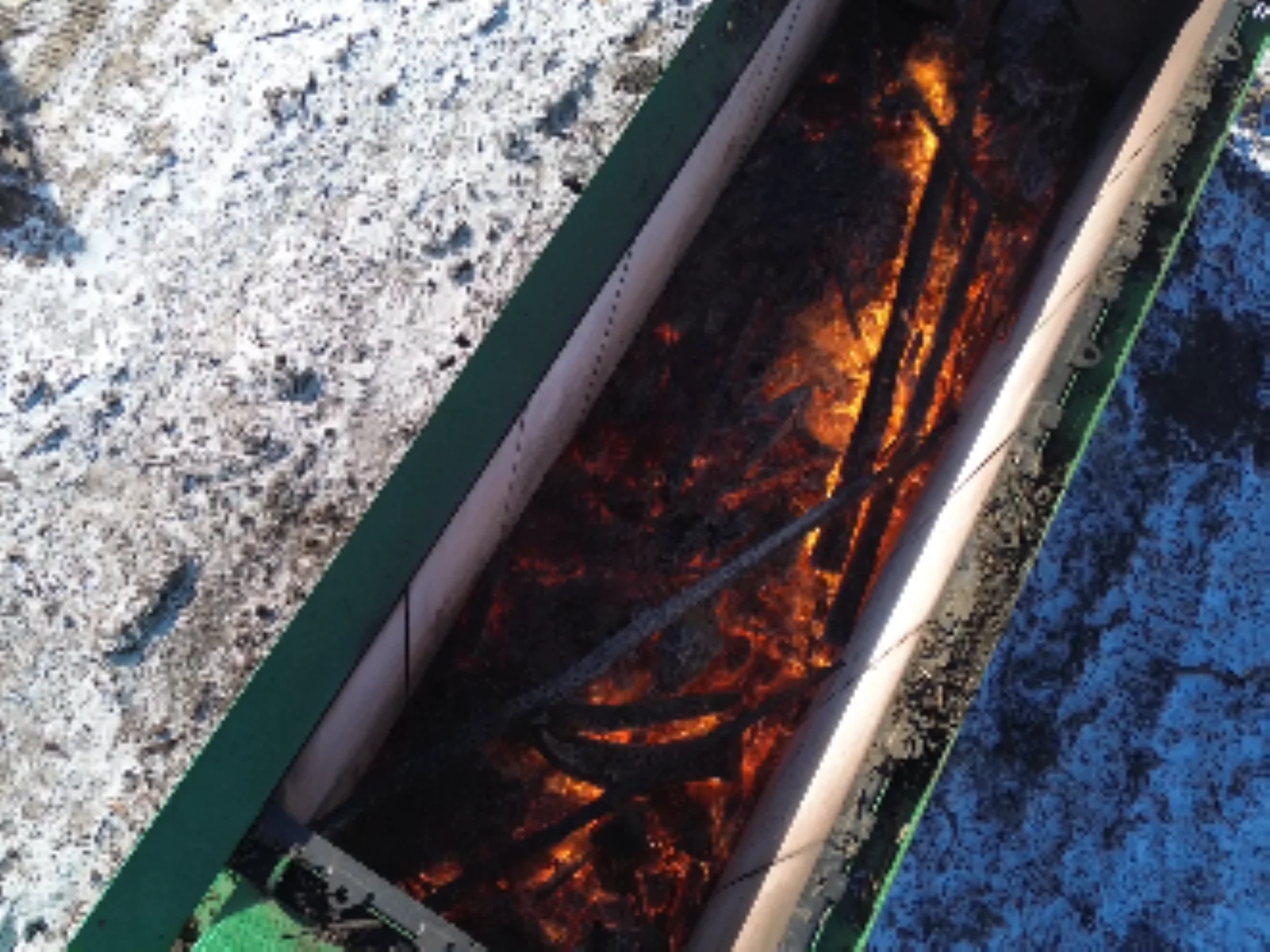
BioBurn Pros Inc. technology demo. (Nathan Coleman/The Weather Network)
“In turn, [it] makes the fire burn extremely hot. So, we get an almost-complete combustion, which reburns all smoke and particulate in the process," said Joe Lewis, BioBurn Pros Inc. president and founder, in a recent interview with The Weather Network.
It creates a 98 per cent reduction from brush to char. The bio-char can then be put into the soil and used as a fertilizer, adding nutrients and making it more resilient to drought. It also captures carbon in the ground.
It’s now being employed in hurricane cleanups and wildfire prevention practices.
“When you leave the brush and the downfall on the ground, it gets left behind as a wildfire risk. As it dries out, it adds to the fuel load on the ground," said Lewis.
Lewis said the tech will help communities clean up after storms in an economical and environmentally friendly way.