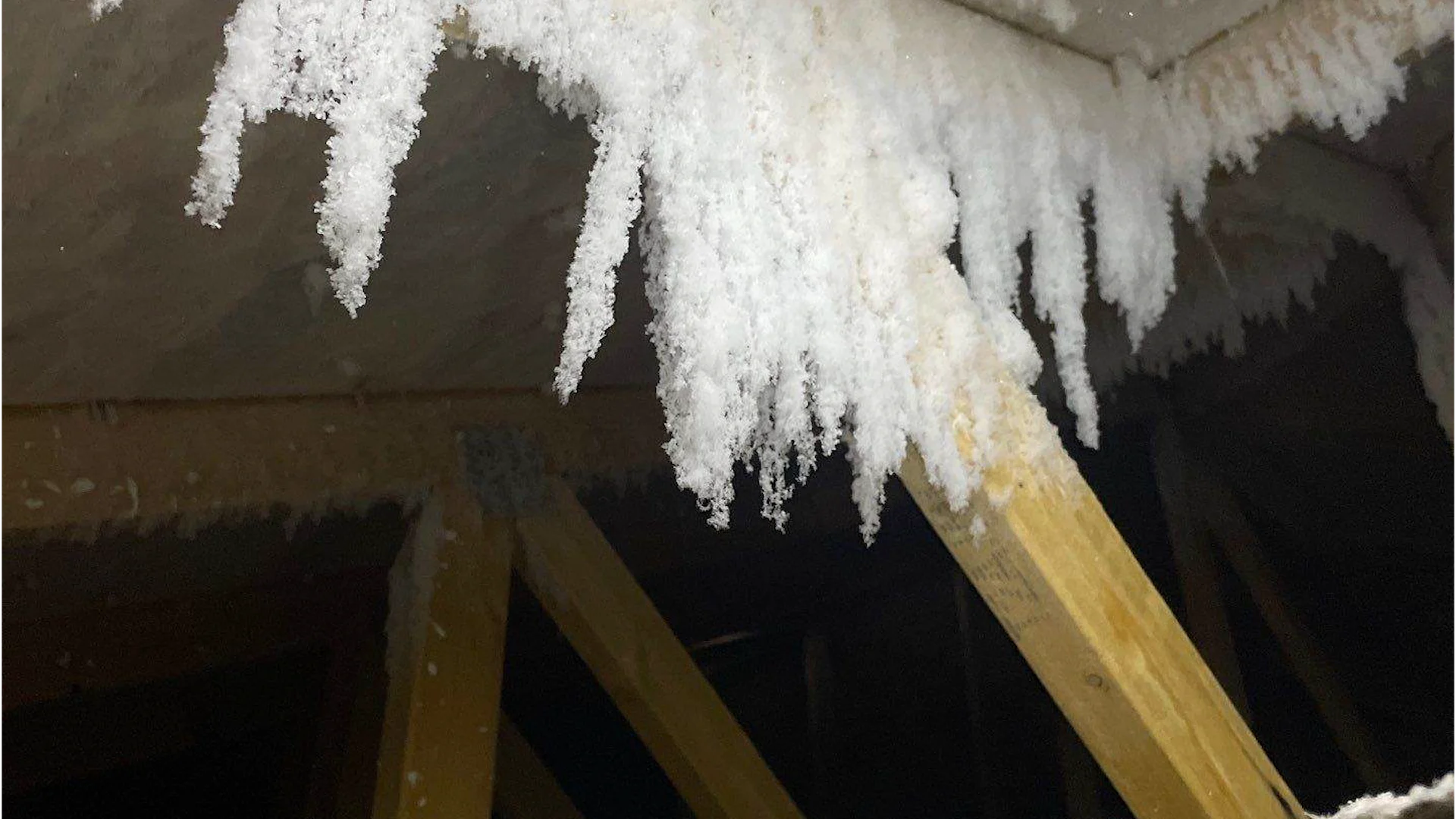
Why it might be 'raining' inside your attic this winter

We discover the causes of 'attic rain' and the essential steps you need to take to protect your home from mould, rot, and expensive repairs.
While the problem of “attic rain” happens across the Prairies, with cities like Edmonton, Regina, Saskatoon and Winnipeg experiencing extreme cold over the past week, it’s especially prevalent in the Calgary region thanks to its frequent chinooks and significant temperature swings.
Cold snaps like the ones that plunged the Prairies into a deep freeze this past week often have residents desperate to know when the mercury will climb.
But, did you know that while the inevitable warm-up may bring relief for you, it can spell trouble for your home?
The phenomenon known as “attic rain” can quickly lead to mould, rotting wood, damaged insulation, and costly repairs.
The recipe is simple: a deep freeze, indoor moisture and a winter warm-up. The results can be disastrous.
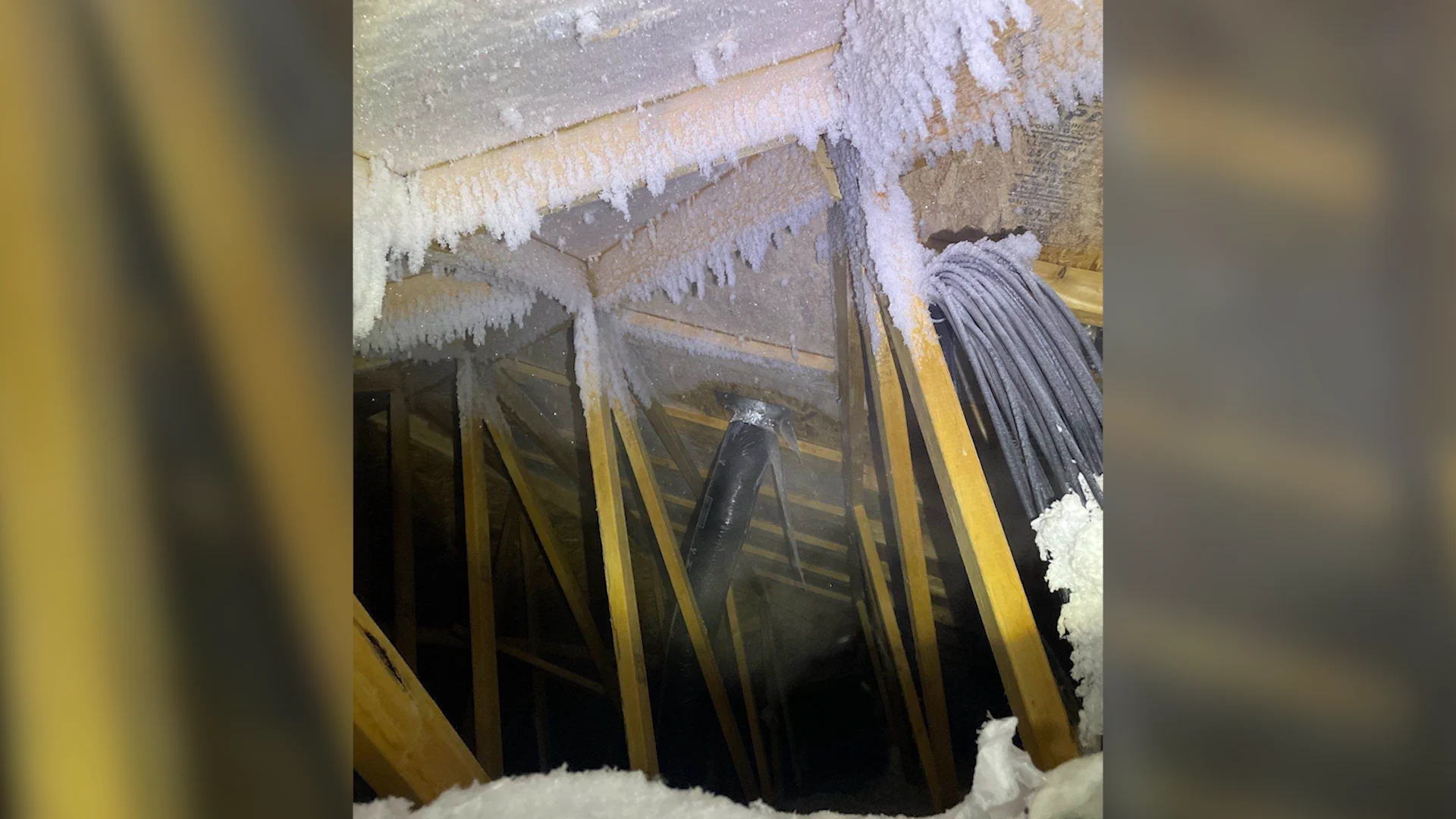
Multiple days of ice buildup can have your attic looking like a winter wonderland. (Calgary Elite Roofing/Submitted)
“We’re basically being good Canadians, building skating rinks, but we’re building them on the inside of our attics,” says Robbie “the Roofer” LaPierre, co-owner of Calgary Elite Roofing.
“You’ve got warm, moist air coming from your house, escaping through protrusions like fire alarms or pot lights, and not being properly ventilated.”
Attic rain begins with sources of moisture and humidity like hot showers, boiling pots of water and dishwashers. While holes in your ceiling made to install fixtures like lights, ceiling fans and alarms should be completely and properly sealed, they often aren’t due to poor workmanship. The same goes for the hatch leading into your attic.
When the aforementioned moisture finds its way into your freezing attic (especially when temperatures fall below -15 C for multiple days in a row) it’s only a matter of time before it condenses back to liquid state (thanks to that cold air).
Then, it can instantly freeze to surfaces like nails and plywood roof sheathing, with the amount of ice building over time.
When the warm-up arrives, that ice begins to melt quickly, hence the term “attic rain."
“Normally, you don’t want to be pushing past 20 to 20 per cent relative humidity threshold (during a cold snap). We saw one house at 70,” Robbie the Roofer recalls.
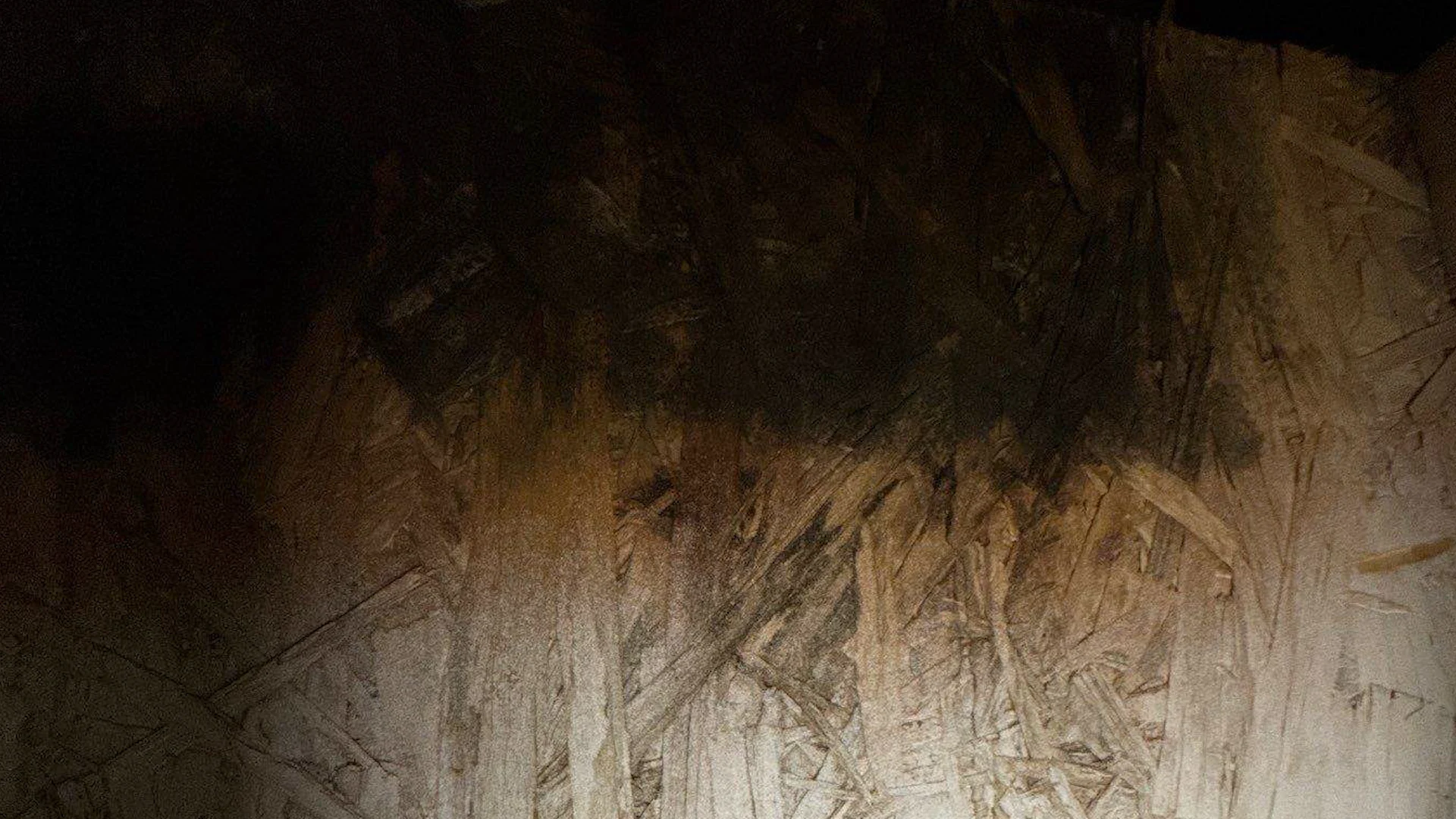
Attic rain can lead to mould, rotting wood, water stains and structural damage. (Calgary Elite Roofing/Submitted)
“You popped the attic hatch off, you could hear it. It sounded like we were in the Amazon, and it was raining.”
Mould can then begin to grow on wood surfaces in days, and can spread rapidly. Over the longer term, wet wood can warp, delaminate and rot leading to structural damage. Ceiling and paint stains and damage can occur, and wet insulation becomes less effective, as well. Widespread mould can also lead to air quality issues.
“The temperature swings we have on the Prairies, especially in Calgary, we can go from -30 to [2 C] in a couple of days,” says Robbie.
“In these particular times, our phones light up, within the first 24 hours, because there’s just not enough breathability in that attic space.”
So, how can you prevent this from happening in your home? Robbie offers a few tips.
Firstly, watch the forecast.
“Before this really hits, pop the attic hatch off. Take a look around the boards, to see if there’s any bits of mould happening,” he advises. “Take a look at the gasket where you’ve set that attic hatch back down. You want it sealed.”
He adds a kneejerk reaction to avoid, if encountering ice, mould or “attic rain," is to leave your attic hatch open. Instead of drying out your space, you could end up forcing more moisture in.
Once the cold arrives, effort to control the humidity level in your home. As mentioned earlier, 20 per cent relative humidity is a good target to aim for.
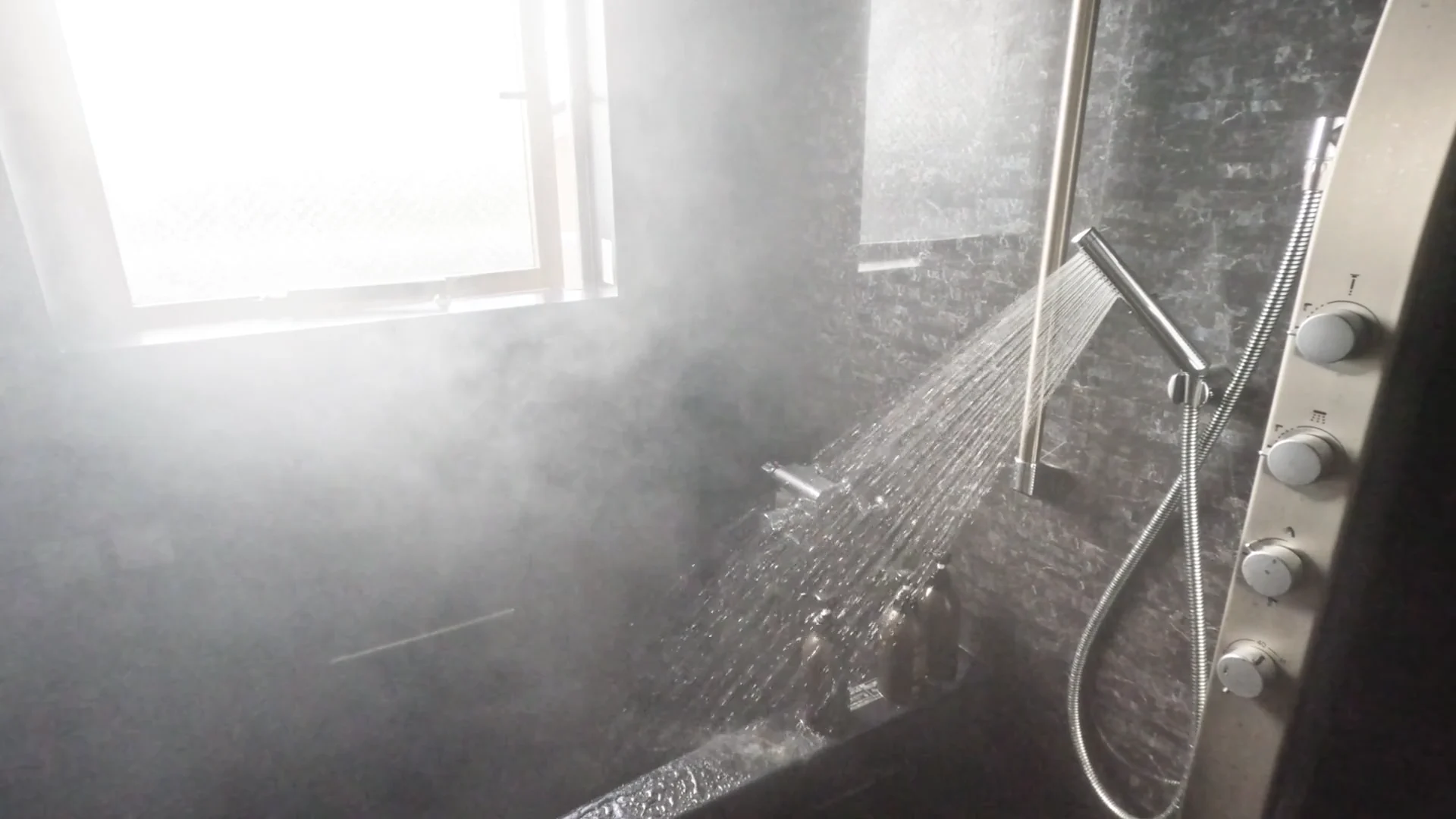
Try to run your bathroom exhaust fan for at least an hour after a hot shower during a cold snap. (Connor O'Donovan/The Weather Network)
To keep humidity low, make sure you run your bathroom exhaust fan for at least an hour after a shower, and use your home’s air exchange system to bring in drier, outdoor air. Turn off or limit use of any humidifiers, and monitor humidity in a central room with a hygrometer.
If you’re concerned your ceiling and attic aren’t properly sealed, or if you see warning signs like water damage or mould, it might be time to involve the professionals.
“Give us a call. We’ll come out and assess the situation,” Robbie says.
“Everything up there needs to be sealed. It doesn’t matter if there’s good air movement. If everything’s not sealed, no matter what you do, you’re just going to coat it with layers of ice. Day in and day out, and it just gets worse.”
Thumbnail courtesy of Calgary Elite Roofing.