Study finds volcano a likely trigger for pandemic that killed millions

The volcanic eruption started a chain of events that led to the Black Death plague spreading across Europe, researchers say.
Between 1347 and 1353 AD, the Black Death — a bubonic plague pandemic — moved across Europe, killing upwards of 50 million people, or an estimated 50 per cent of Europe’s 14th-century population.
To this day, it is considered one of the most noteworthy events in Europe’s history, and one of the worst pandemics humanity has ever seen.
Now, a new analysis,recently published , in the scientific journal Communications Earth & Environment, suggests cooling associated with a volcanic eruption that occurred somewhere in the tropics around 1345 started a chain reaction that led to the arrival of the Black Death.
Measurements of volcanic sulfur preserved in Antarctic and Greenland ice cores combined with written reports of the time suggest the eruption spewed sulfur and ash into the atmosphere, creating a period of cold and wet weather across southern Europe and the Mediterranean that led to crop failures and widespread famine.
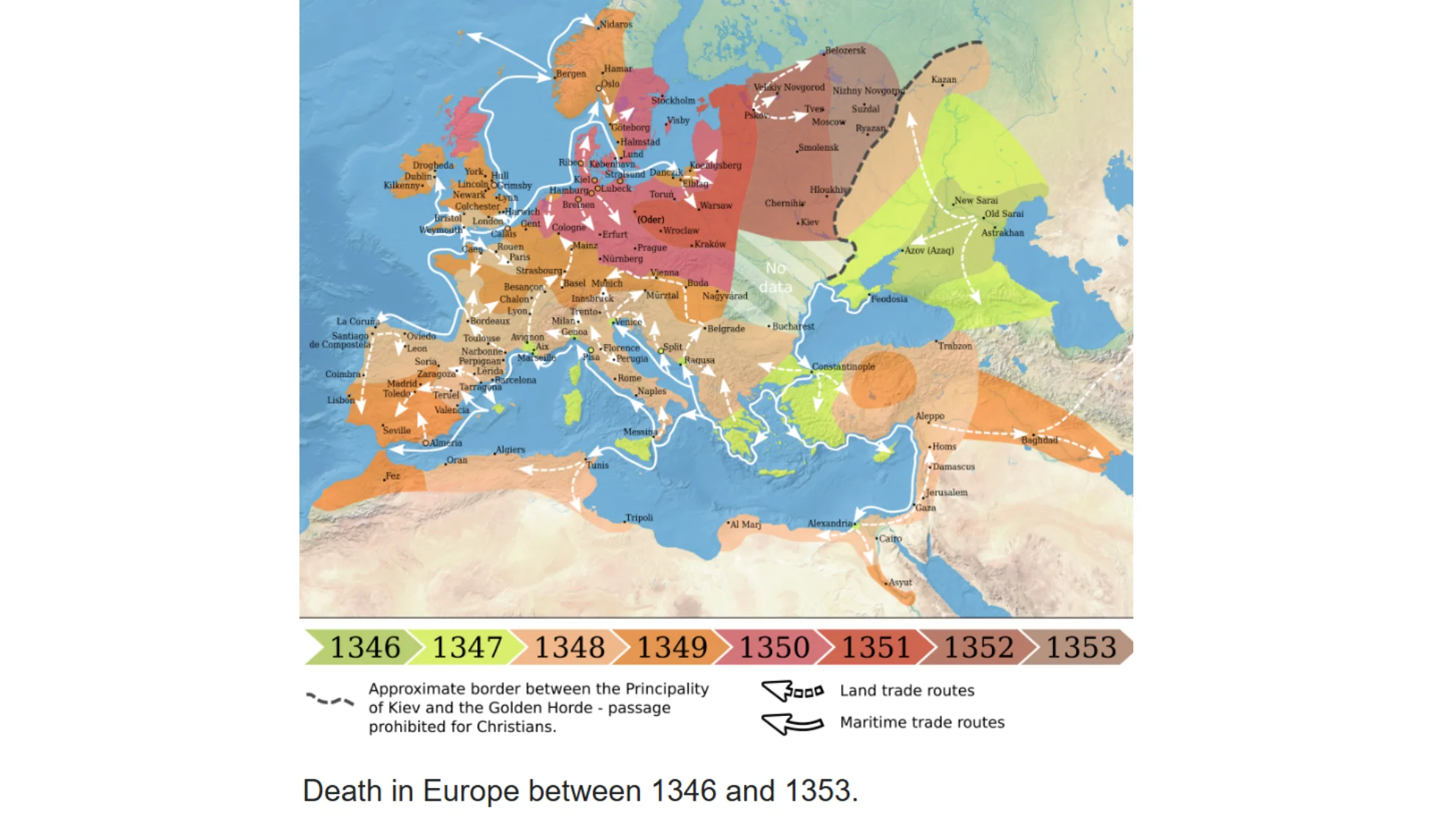
Map showing the spread of the Black Death in Europe between 1346 and 1353. (Columbina, ad vivum delineavit. Paulus Fürst Excud/[Wikipedia](Columbina, ad vivum delineavit. Paulus Fürst Excud) CC BY-SA 4.0)
Grain imports may have helped spread the plague
Faced with famine, Italian officials negotiated with the Mongols of the Golden Horde, former adversaries, to secure grain shipments from the Black Sea in 1347.Historical logs suggest the grain helped prevent mass starvation, but fleas infected with Yersinia pestis, the disease responsible for the plague, are now believed to have been travelling with the grain. Once introduced to Europe, the fleas spread quickly, helping accelerate the spread of the Black Death.
“The plague bacterium infects rat fleas, which seek out their preferred hosts — rats and other rodents. Once these hosts have died from the disease, the fleas turn to alternative mammals, including humans,” study coauthor Martin Bauch, a historian of medieval climate and epidemiology from the Leibniz Institute for the History and Culture of Eastern Europe in Germany, told CNN.
“I found that the most pronounced famine in the 13th and 14th centuries is specifically in these years directly preceding the Black Death,” Bauch told CNN.
“Why the Black Death arrives precisely in 1347 and 1348, in Italy at least, we can’t explain without having that climate-induced famine background.”
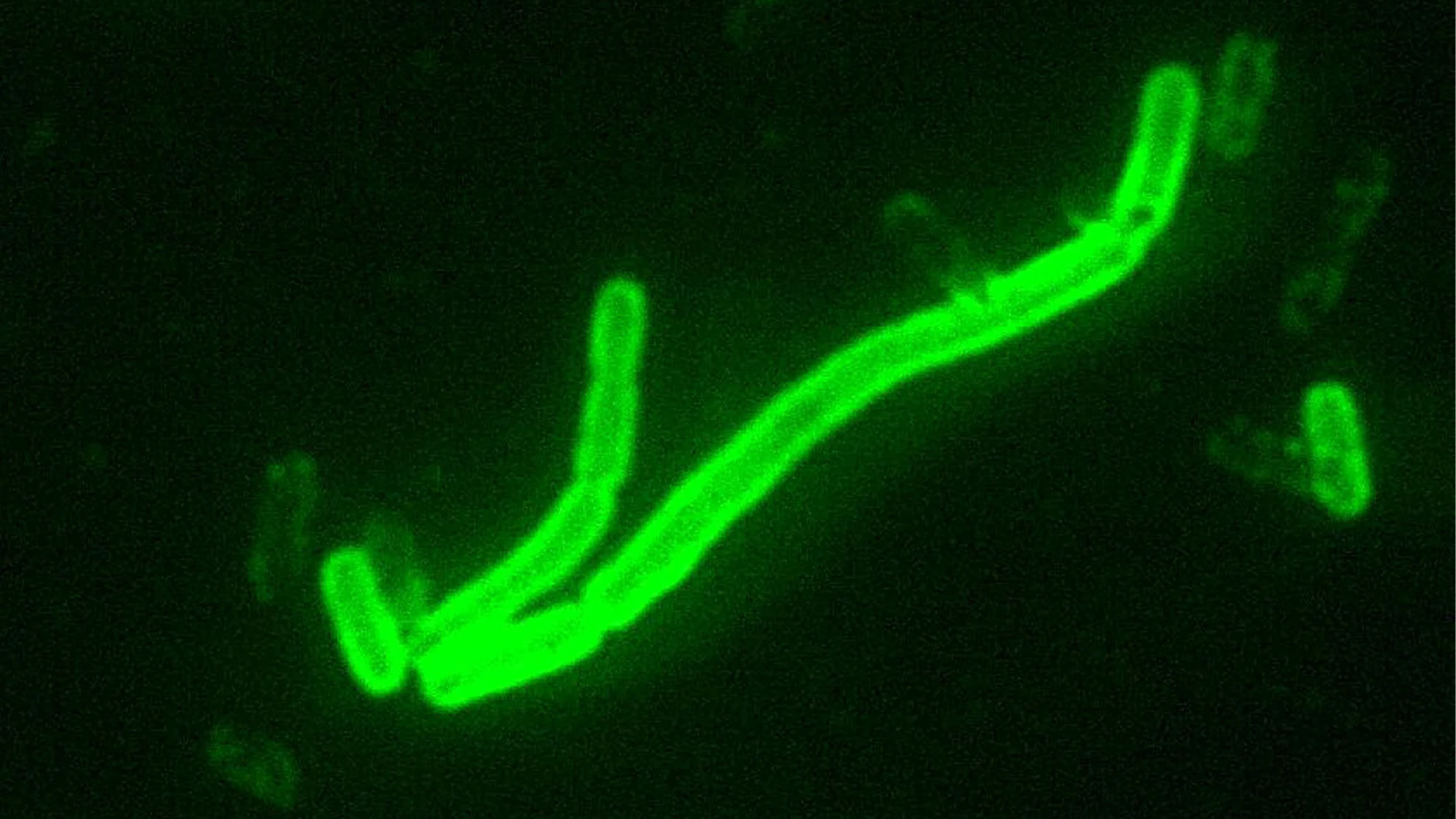
Header photo: Yersinia pestis (200 × magnification), the bacterium that causes plague. (CDC/Wikipedia/Public Domain)