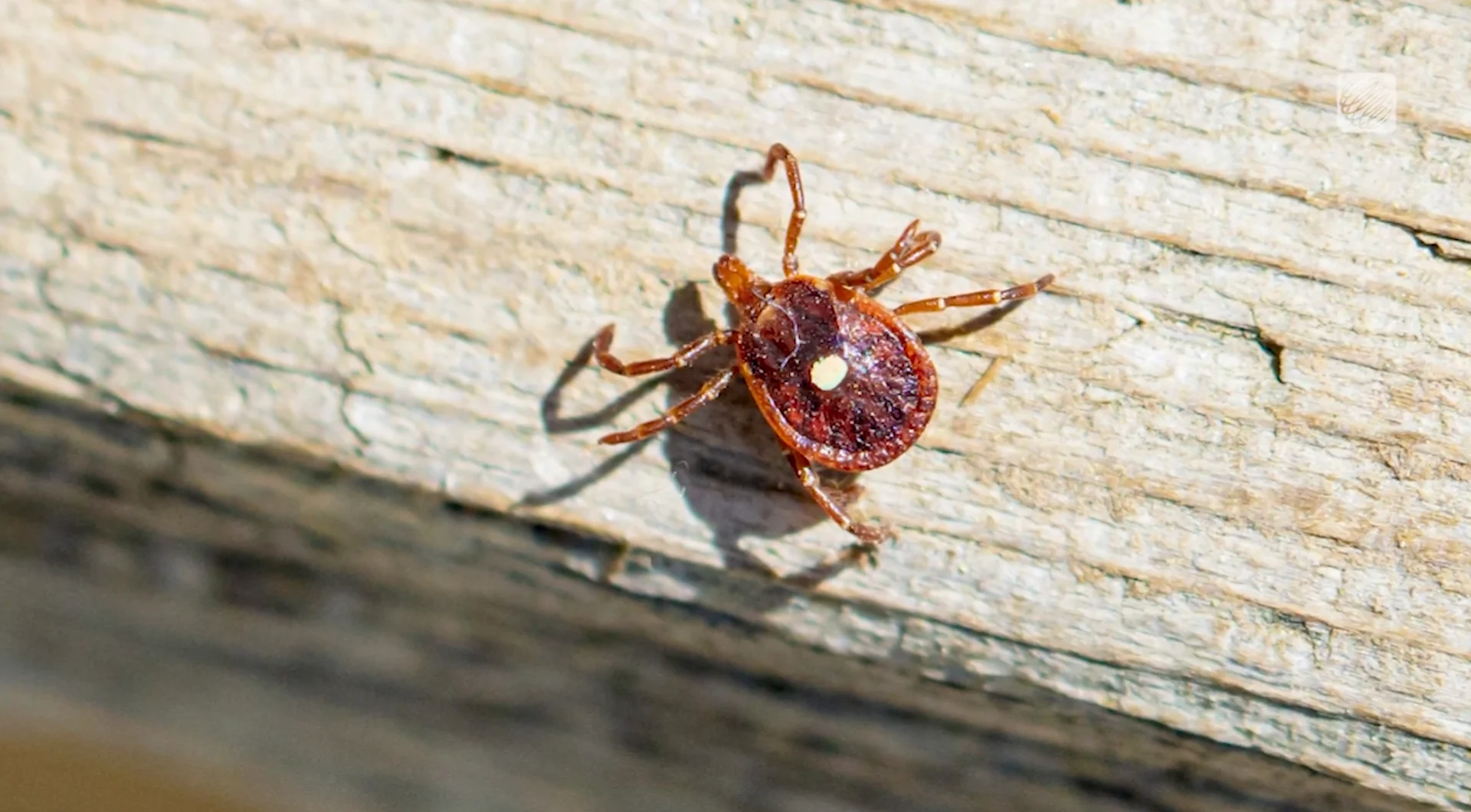
Woman develops life-altering allergy after suspected lone star tick bite in N.S.

One tick bite, a lifetime of changes. A Nova Scotia woman is sharing her experience after a suspected lone star tick bite led to Alpha-gal syndrome, a rare allergy to red meat and dairy.
A day in the garden caused Nova Scotia resident Melissa Baines’ life to change in a way she never imagined.
Baines was diagnosed with Alpha-gal syndrome—a serious, potentially life-threatening allergic reaction to a sugar molecule found in mammals—which she believes is due to being bitten by a lone star tick in McLellans Brook, N.S. This means no more dairy products like ice cream and substituting meat with plant-based alternatives.
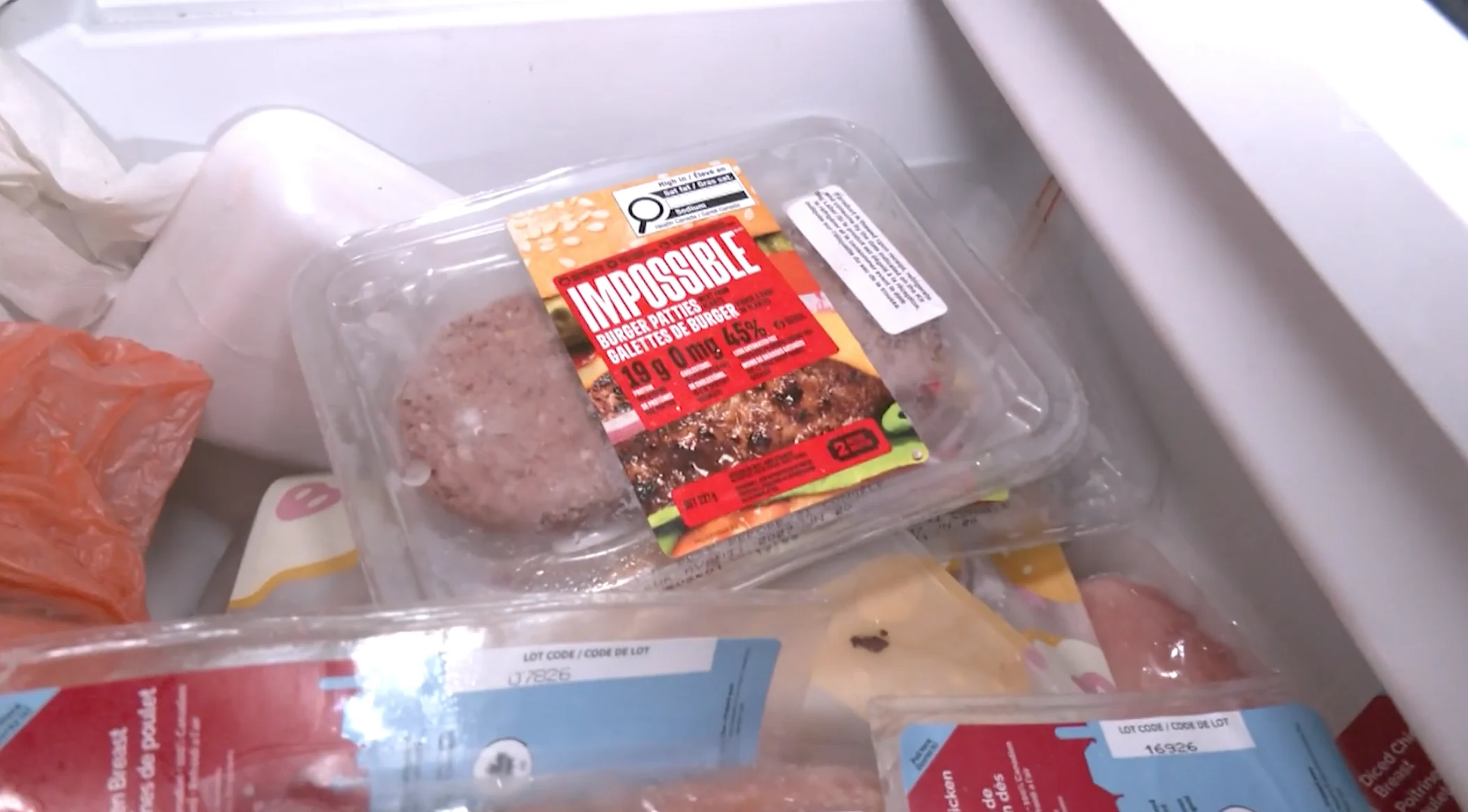
After being diagnosed with Alpha-gal syndrome, Baines has switched from eating meat to plant-based meat alternatives. (The Weather Network)
Baines thinks the bite happened back in May.
“I was down [in my garden] working on this bed, and then I got bit. I thought it was a horsefly,” she said.
Female lone star ticks have a prominent, singular white dot in the centre of their back. According to Canada.ca, these ticks have been detected across Canada, but most findings represent isolated incidents rather than confirmed breeding populations.
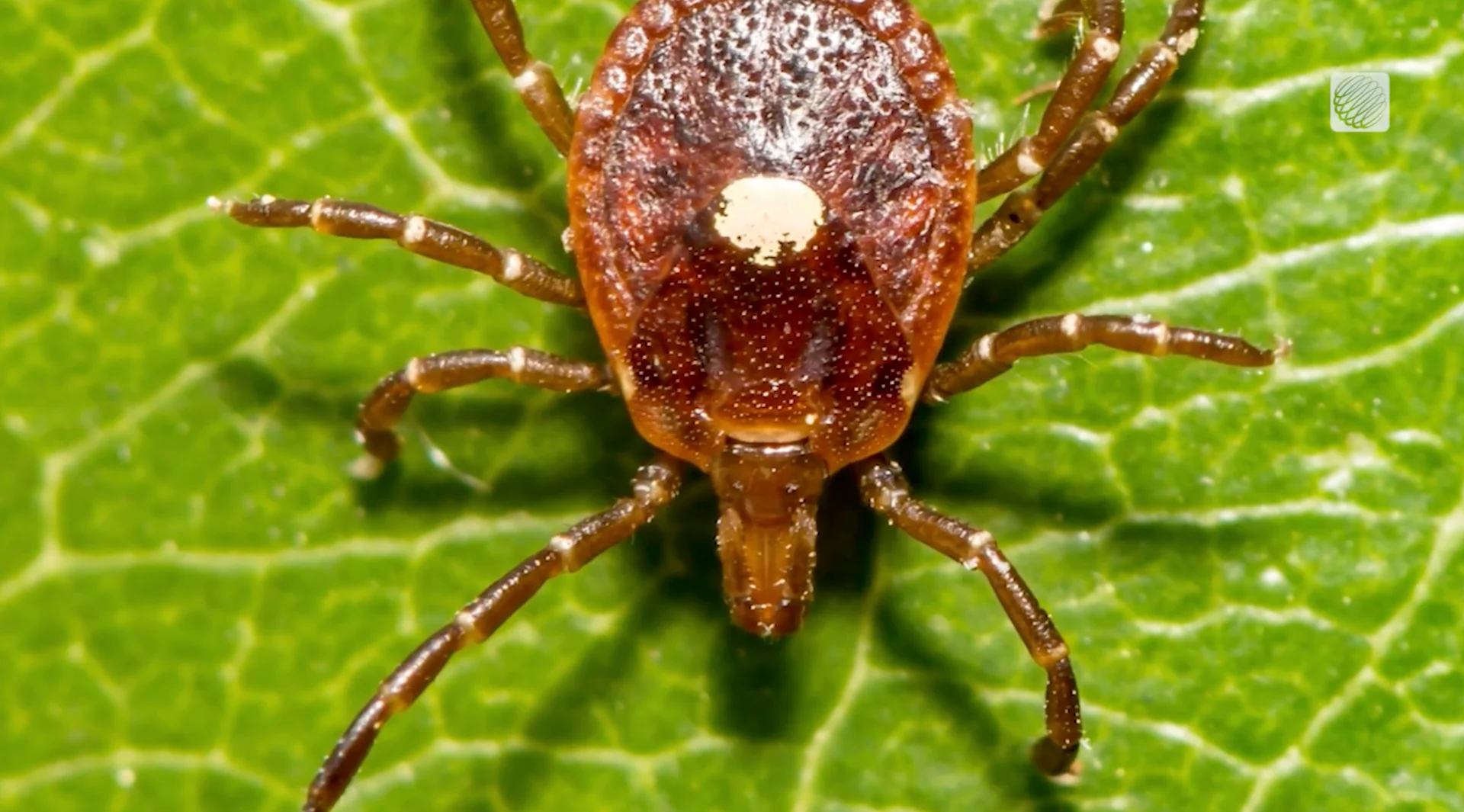
Adult female lone star ticks can be identified by the white dot in the centre of their backs. (File photo)
In the days and weeks following the bite, Baines felt really off balance, experiencing severe brain fog and a lot of nausea. She tried eating dairy twice, felt nauseous both times, and developed welts before it got so bad that she had to call an ambulance and was hospitalized.
“If I had waited another day or two, God knows what would have happened,” Baines said. “I was really, really sick. Like really sick. I’m just glad I’m still here.”
While in the hospital, another man reported seeing a lone star tick on her property.
“He was sitting out here, and he said one crawled up his leg. He looked at it and was really surprised because he was like, ‘It’s got a dot on it.’ He took it, killed it, and threw it; he didn’t think to save it.”
Since the incident, Baines has avoided going into her garden, only recently returning for this interview with The Weather Network.
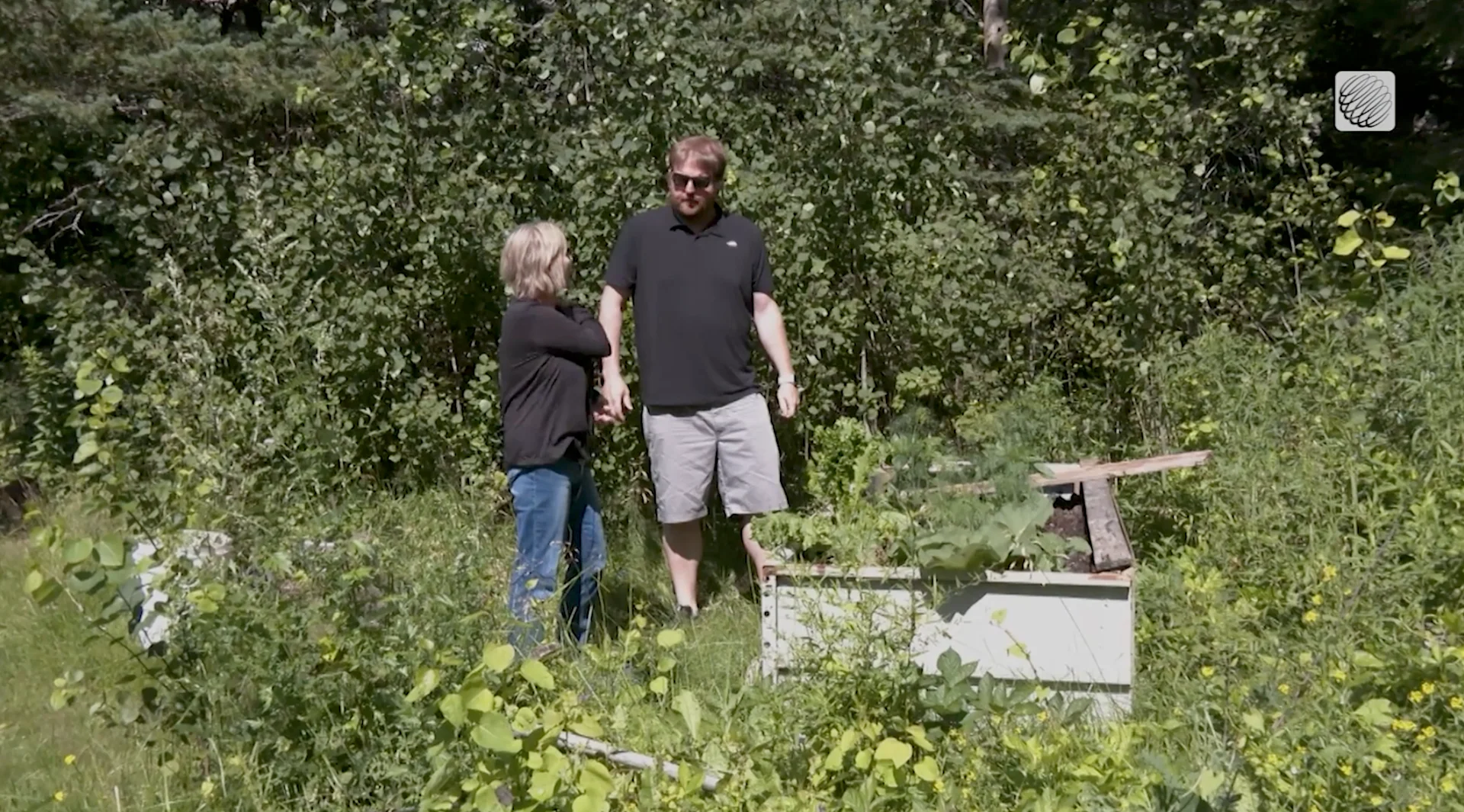
Baines walks through her garden with The Weather Network reporter Nathan Coleman—the first time she's been there since her diagnosis. (The Weather Network)
SEE ALSO: Spot, remove, act: Your quick guide to tick safety
She’s now trying to decide how to move forward as she adjusts to her new diet.
"I do not want to get [my garden] sprayed, simply because I don’t believe in pesticides," she said. "I’m afraid of what they’d do to my cats or even other wildlife, so I’m not sure what I’m going to do about it."
Her advice to anyone who thinks they have been bitten by a tick is to seek medical attention without delay.
“I waited too long, I believe. That was my fault. That was no fault of anyone else. That’s why I want people to know. If you have a tick burrowed in, go to your pharmacy right away. They can help. You don’t have to go to the hospital; you don’t have to wait there for like 12 hours. Go to your pharmacy.”