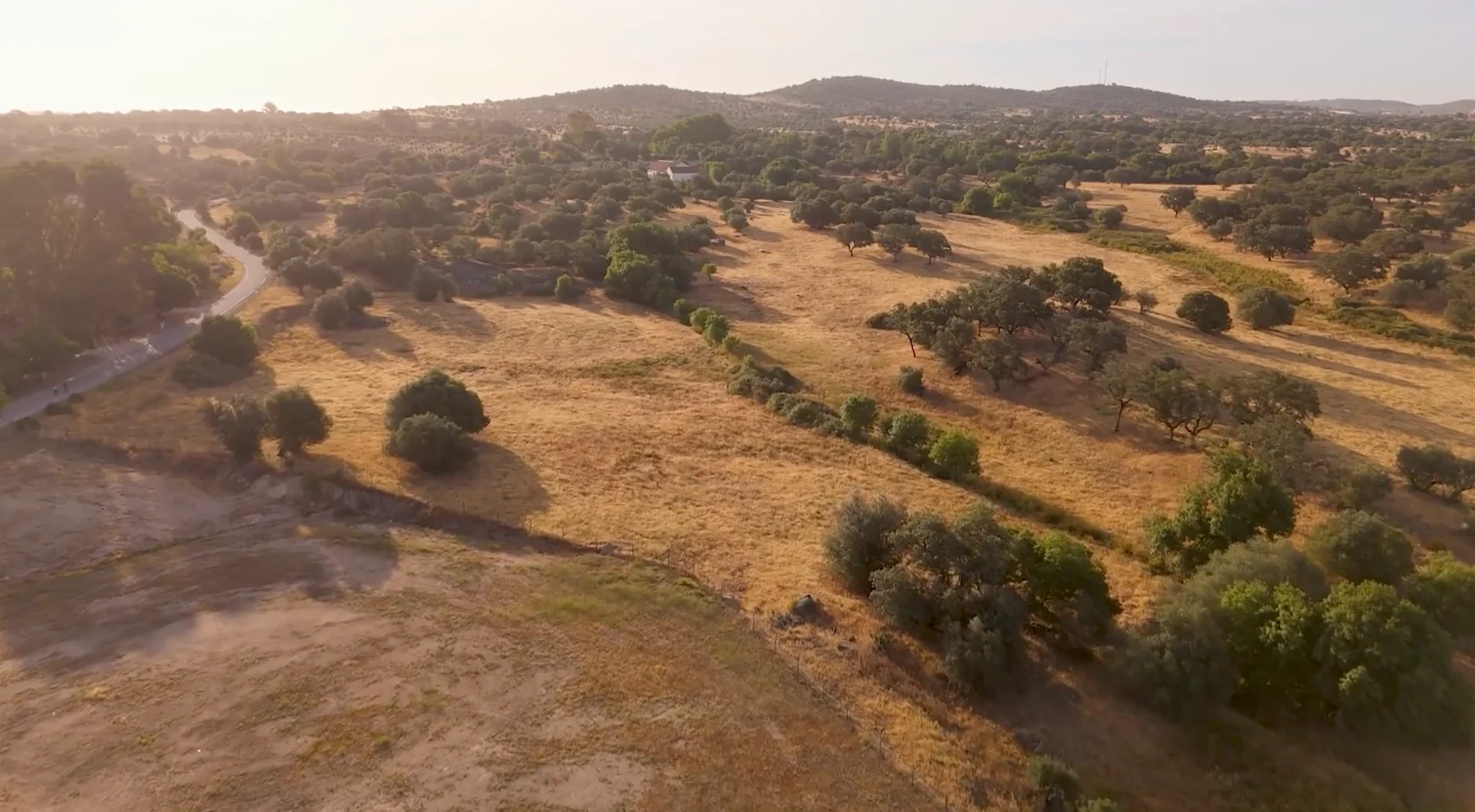
Alentejo's liquid gold: An expedition through Portugal’s olive oil heritage

Alentejo’s olive oils are known for their maturity and smoothness, balanced by a sweet fruitiness.
Olive oil is the soul of Portugal’s Alentejo region. Here, olive oil is as serious as wine in France, sushi in Japan, or chocolate in Switzerland. It’s the backbone of the country’s cuisine. This region, where olive groves are plentiful, is also large, accounting for about one-third of Portugal’s mainland. That’s why it’s important to choose a tour company like Collette that knows where to taste the best Alentejo has to offer.
Historians believe the Romans were the first to farm Alentejo’s olive groves around the 2nd century BCE. They recognized that the fertile soil, along with rainy winters and hot, dry summers, provided ideal conditions for olive farming. Over the centuries, olive oil flourished, emerging as a symbol of merit and heritage in the country’s culture.
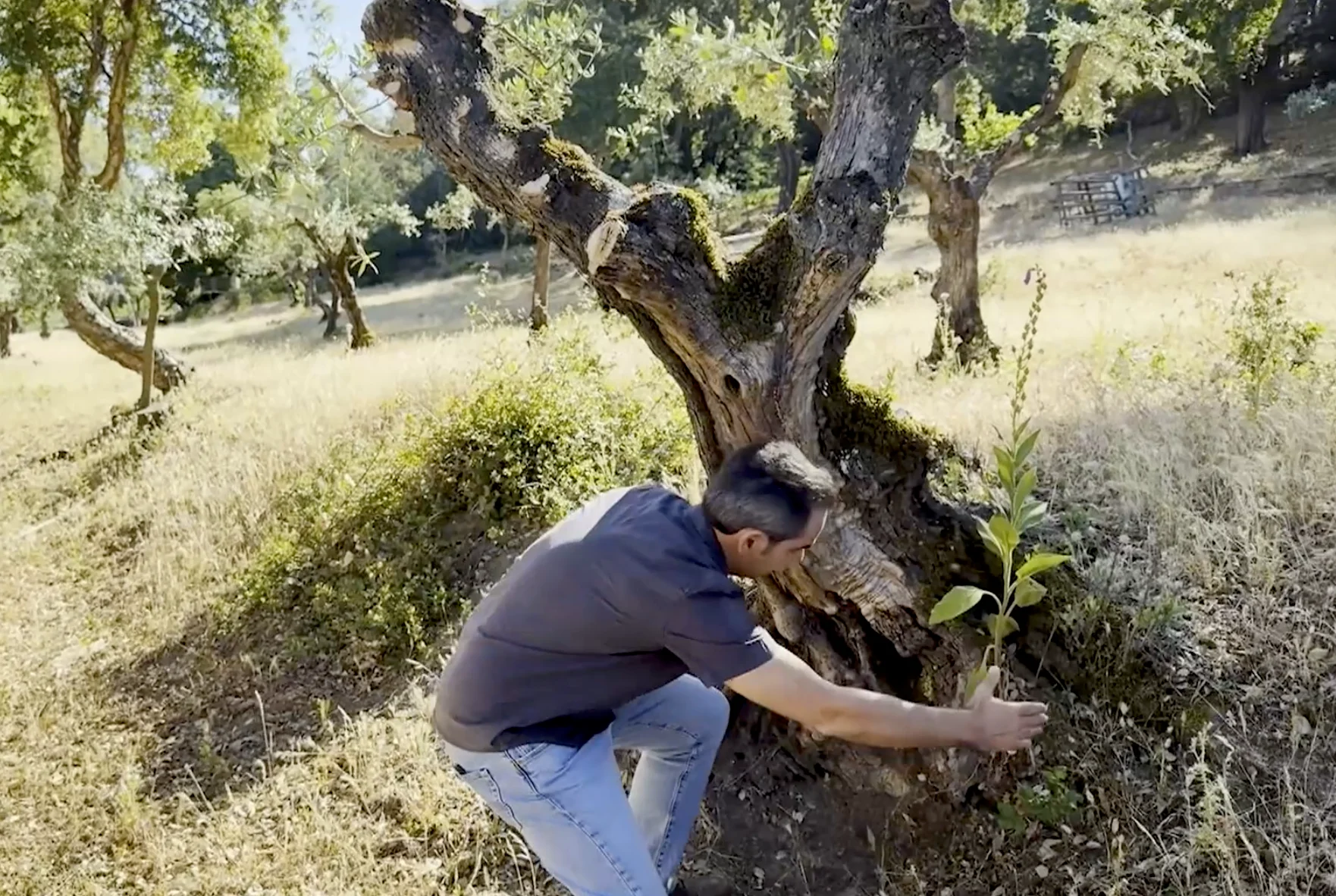
Alentejo’s olive oils are known for their maturity and smoothness, balanced by a sweet fruitiness. At 850 metres above sea level in the Serra de São Mamede mountains, the village of Marvão sits. The walled medieval village sits atop a granite cliff, with narrow, zigzagging cobblestone streets lined with whitewashed houses and Gothic arches. The Marvão Castle is perched at the highest point, built as a 13th-century fortress; you could flip a coin and wonder whether it was built to protect the village’s supply of olive oil or to store it. It’s that good.
Not far from Marvão’s stone walls, in the small village of Galegos in the Serra de São Mamede Natural Park, lies the Lagar Museu António Picado Nunes, a heritage museum. The museum is also an active olive oil producer, with the entire process on display, including a historic press used to make their "Azeite de Marvão" brand of olive oil. Here, you can settle in and taste a flight of their traditional extra-virgin olive oils, which connoisseurs treat like fine wine.
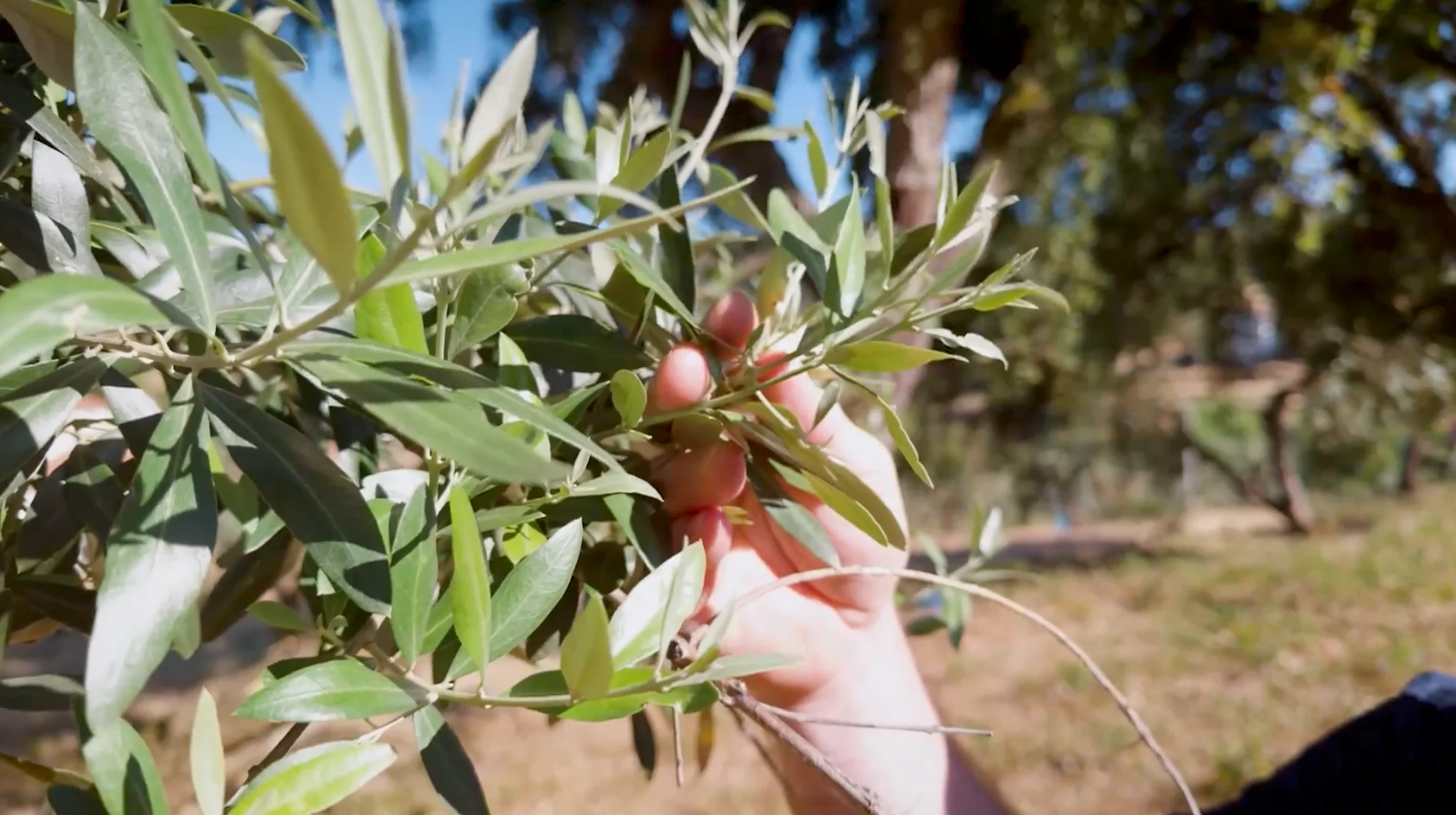
Established in 1953 by the Nunes family, it’s located among ancient, organic, family-run groves where olives are handpicked from trees said to be up to a thousand years old. During the fall harvest season, which can stretch from the end of September to the beginning of December, the village comes alive. Using time-honoured methods, the oil is extracted by cold pressing and cold extraction, with no additives. When the golden thread of oil begins to appear, the sight and smell are intoxicating.
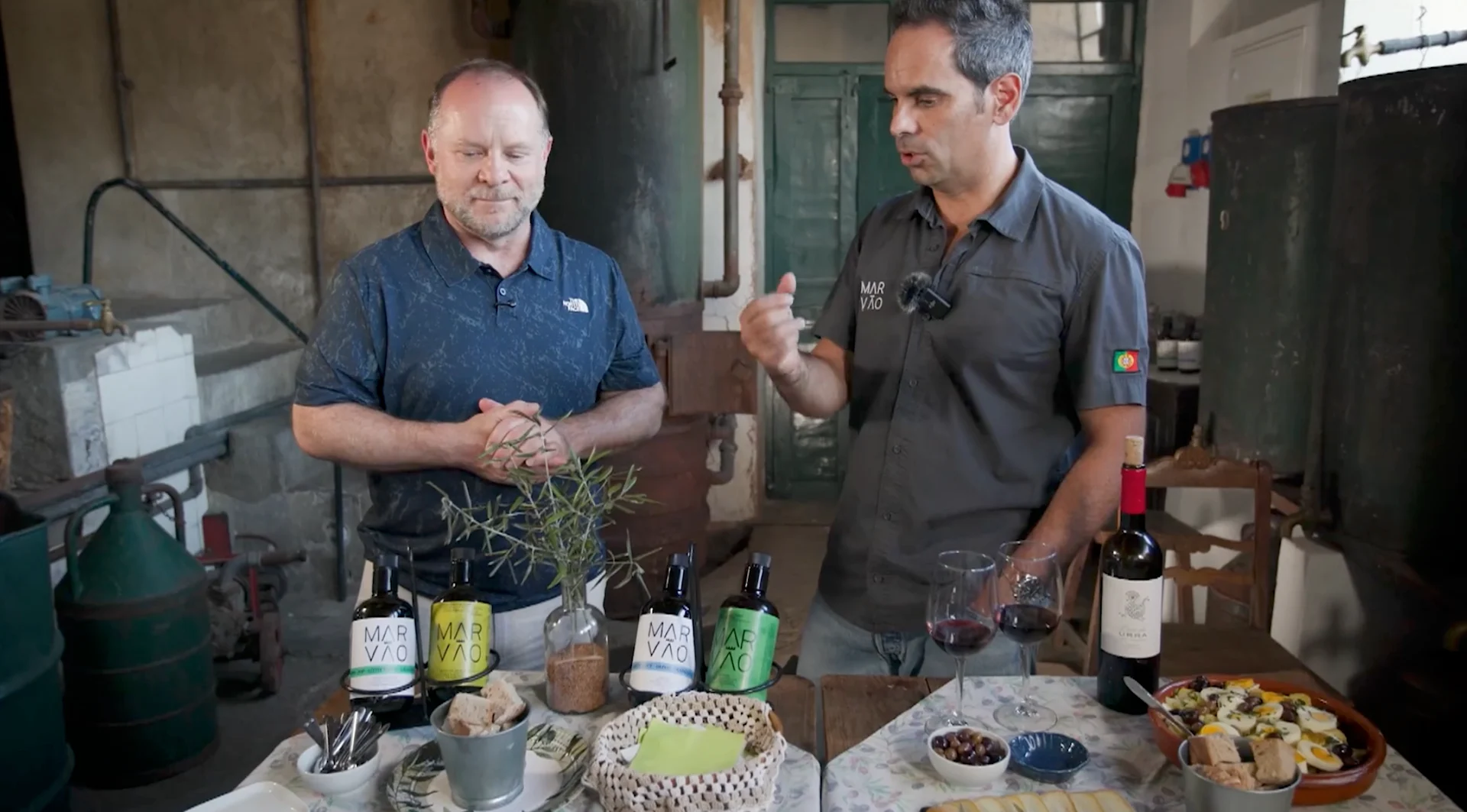
One olive variety, the Galega olive (also called the Portuguese olive), is cherished for its firm texture and a fruity, subtly sweet flavour, balanced by slightly spicy notes and low bitterness. It can be pressed into a wide range of olive oils, from table oil to higher-quality extra virgin olive oil. For example, within the Azeite de Marvão lineup is Marvão DOP, an extra-virgin oil with medium fruitiness and a smooth, spicy finish, excellent with just a hunk of bread for dipping.
The olive oil the Nunes family crafts honours the village and the region’s storied past. It’s just one chapter in Alentejo’s olive oil story, where its outstanding quality and flavour shine. It needs to be tasted where it’s made in this beautiful part of Portugal.