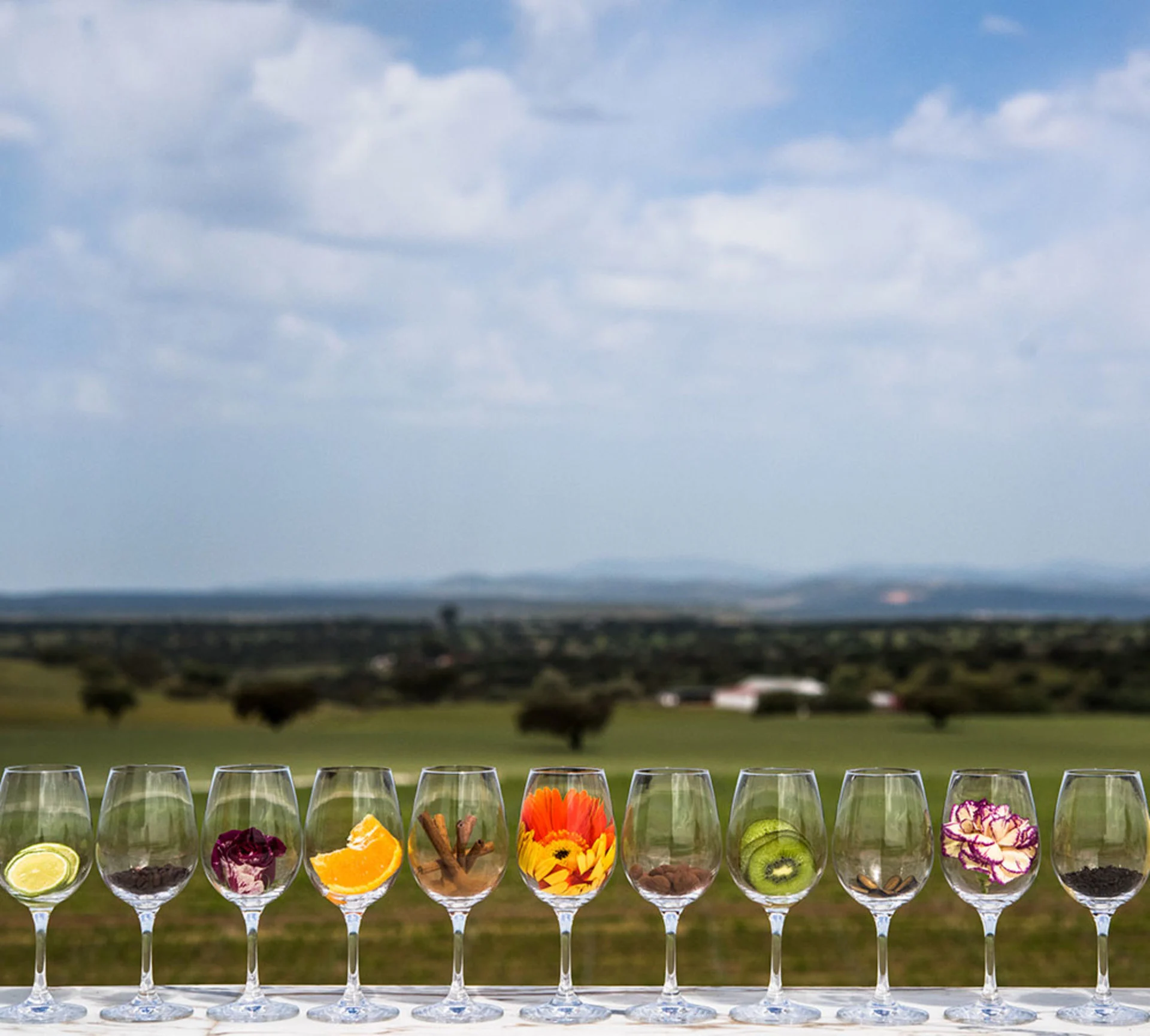
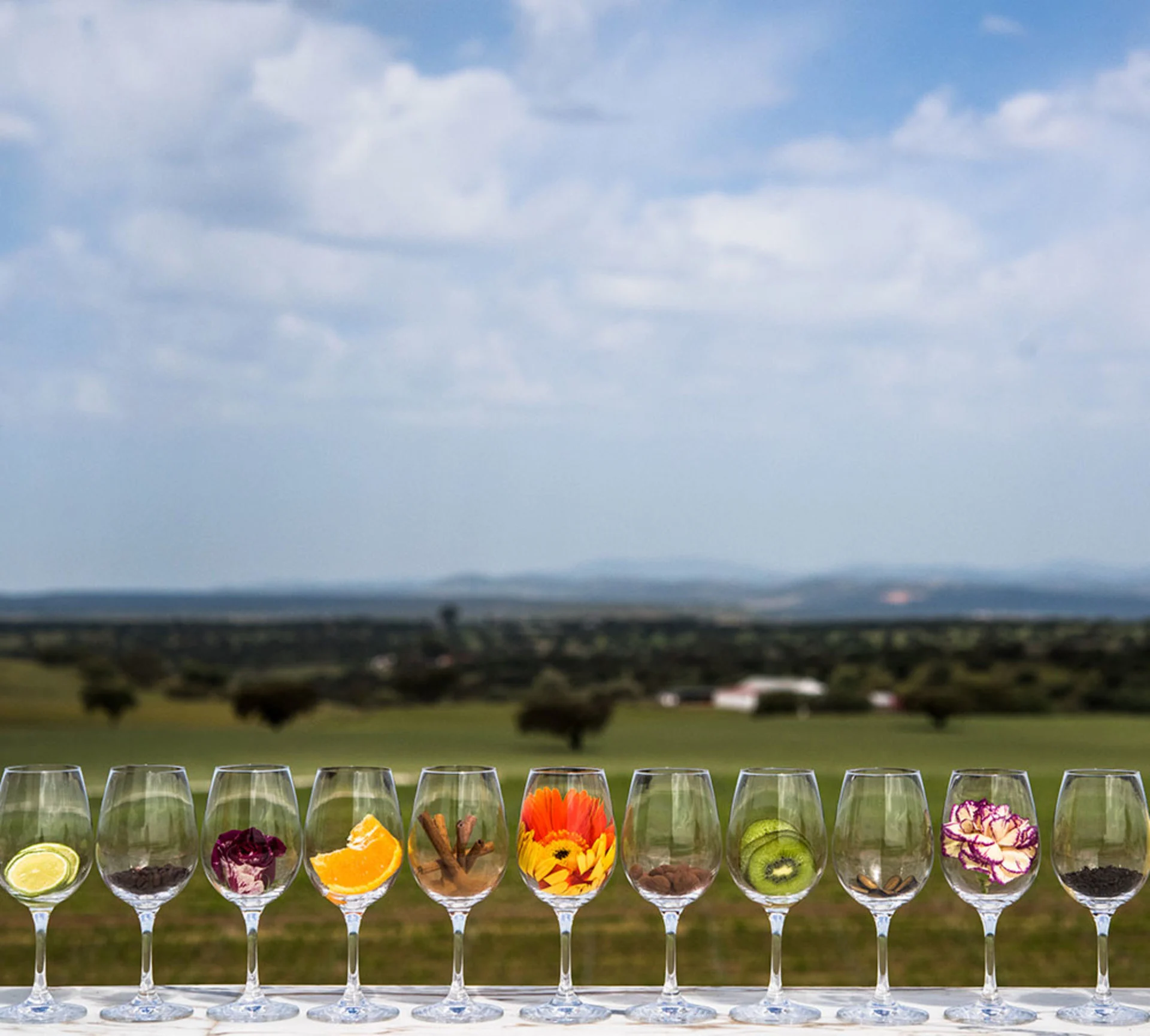
Sipping history: Discovering Porto and its world of Port wine

Port is everywhere here, and there is a range of styles for everyone
Porto is Portugal’s second-largest city. It’s celebrated for its riverfront, history, and Baroque and modernist architectural gems. Sites include São Bento railway station, the Bolsa Palace, and the Ribeira District, known for its colourful buildings and energetic riverside cafés. It’s also the gateway to a famous valley known for a fortified wine geographically designated to this UNESCO World Heritage site.
Located in Portugal’s Douro Valley are the country’s historic port houses, each producing exceptional port wines. Kopke is the oldest, established in 1638. Taylor Fladgate was the first to produce late-bottled vintage ports. Ferreira, Sandeman and Grahams are other notable names.
With so many to choose from, consider a tour company like Collette, which can guide you to the best the region has to offer. For example, Quinta da Pacheca – a historic winery established in 1903, with vineyards dating back to the 16th century. Port is everywhere here, and there is a range of styles for everyone.
Tawny Port
Like all ports, Tawny Port is made from native and regional grape varieties. During fermentation, a neutral grape spirit is added to halt the process and preserve the wine’s sweetness. The fortified wine is then placed in small oak barrels, where it ages and oxidizes for extended periods. During this time, it develops Tawny’s signature colour and caramelized, nutty flavours.
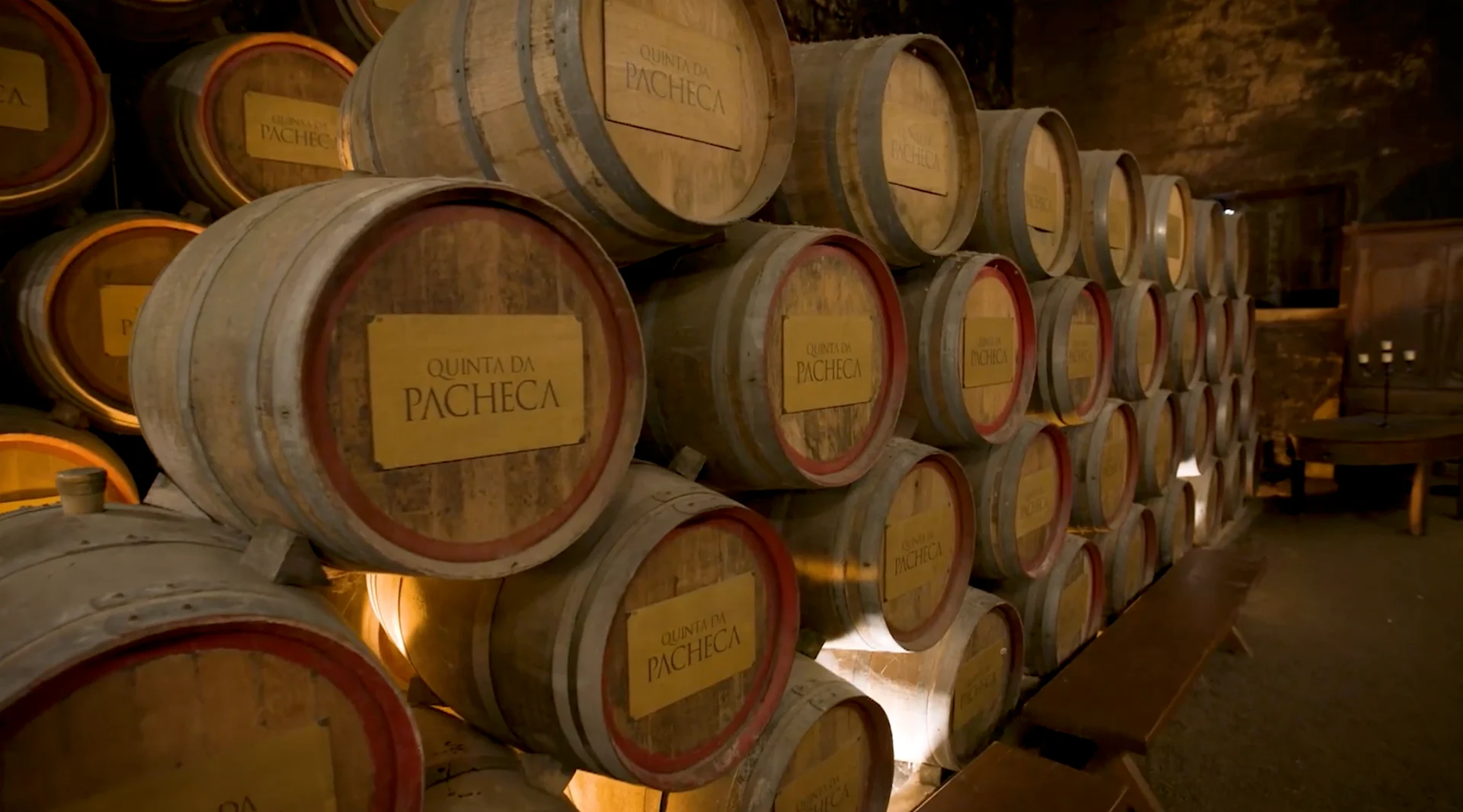
The age on the bottle does not indicate how long the port has aged, but rather how old the wine tastes after blending. The Port and Douro Wines Institute certifies this process to ensure that a Tawny’s flavour profile matches its age statement.
Single Harvest Tawny Port
Also called Colheita port, Portuguese for “harvest”, this style differs from Tawny Ports in that it is made from grapes grown in a specific year and designated as such, rather than blending ports of various ages. Colheita port must also be aged in oak for at least seven years. This style has two dates on the bottle: the harvest year of the grapes and the year the wine was bottled.
Ruby Port
Rubies are aged in large oak casks, sometimes in concrete vats or bulky steel containers, to minimize oak influence and oxidation. The ageing period is also much shorter, with most Rubies spending a couple of years in these containers to preserve their rich ruby-red colour and fresh, fruity flavour profile. This ensures the blended ports are rich in traditional dark-fruit and chocolate notes. The port is filtered before bottling so it can be enjoyed young, often paired with chocolate or cheese.
Vintage Port
Wine collectors covet this exclusive style of port. The port-making process is similar to that of other port categories, but the wine is made from grapes harvested in a single year. A port house releases a vintage only if the harvest is exceptional. This makes vintage ports rare, with a port house typically releasing three or four vintages a decade.
Vintage ports are made to be cellared, allowing an unopened bottle to evolve over decades. These are time capsules that command prices in the thousands, depending on how exceptional the year is.
White Port
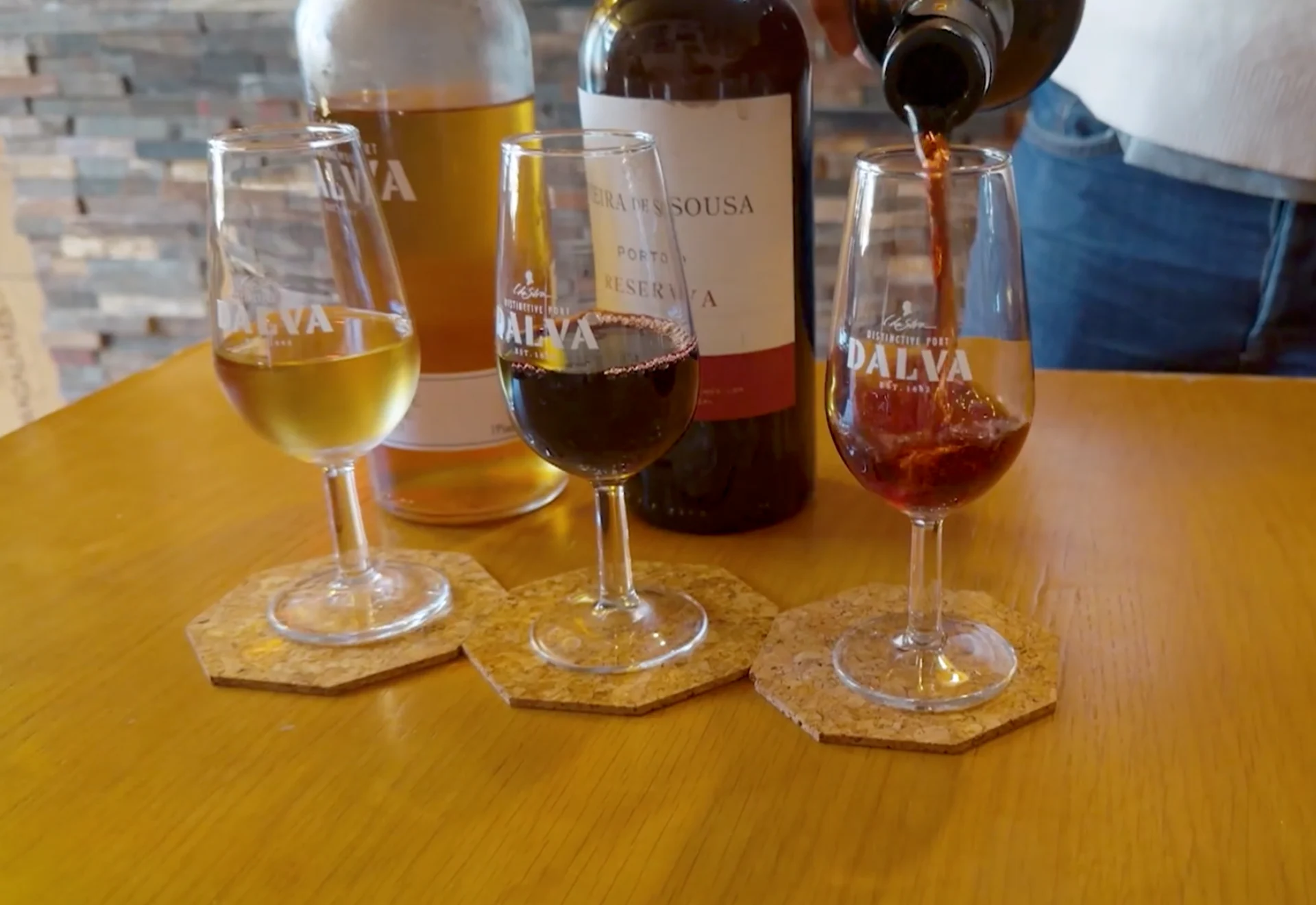
White port is made using traditional port-making processes and native Portuguese white-wine grapes. Depending on the grapes, how they are blended, and how they are aged, white ports can range from sweet to dry, making them an excellent aperitif due to their lighter style. They also make a great substitute for gin in a white port and tonic.
Rose Port
Rosé port, or pink port, was introduced in 2008. It’s made from traditional port grape varieties, but the juice is allowed to contact the reddish-purple grape skins for only a short time, giving the wine a pink tint. Perfect chilled or in a cocktail, pink ports offer a range of fresh, fruity flavours, including berry notes, bright citrus, and ripe cherry. This modern style is quickly gaining popularity and is perfect for sipping under the Portuguese sun.
CLICK HERE to return to the Collette main page for more videos and articles.