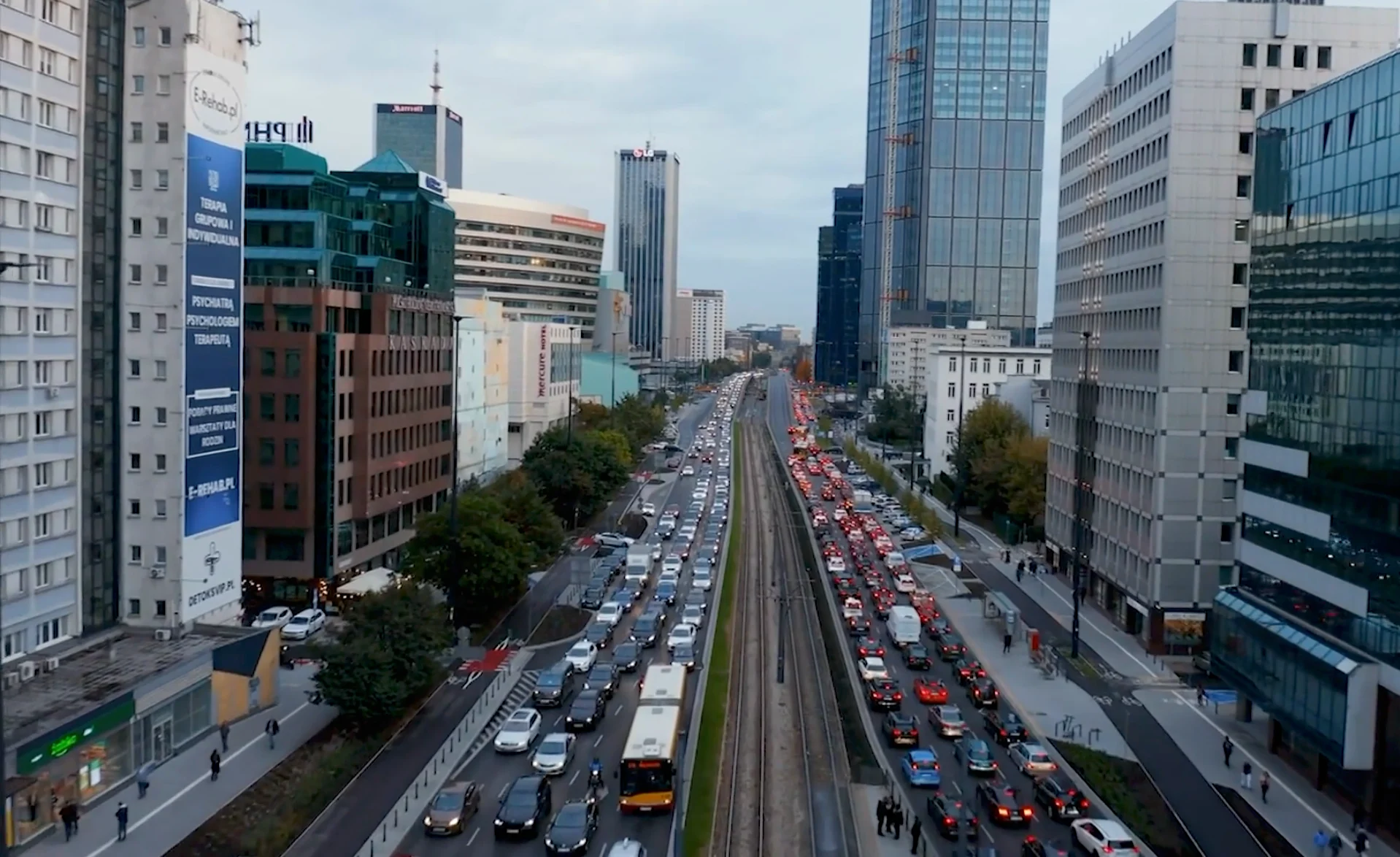
Toronto ranked safest city to drive in Ontario, new study finds

Toronto drivers are not exactly known for being relaxed behind the wheel. Or are they?
A new Ontario driving study from MyChoice ranked Toronto as the safest city to drive in the province, based on a weighted safety index built from more than 200,000 auto insurance quotes collected between 2020 and 2025.
Toronto earned the highest score in Ontario at 4.6 out of 5. According to the study, 6.52 per cent of drivers reported an accident on record, the lowest rate among major Ontario municipalities, while 7.17 per cent reported at least one infraction.
At first, that feels a little hard to believe. This is Toronto, after all. Traffic is constant, commutes are long, and winter driving can go downhill fast.
But that is also what makes the ranking interesting.
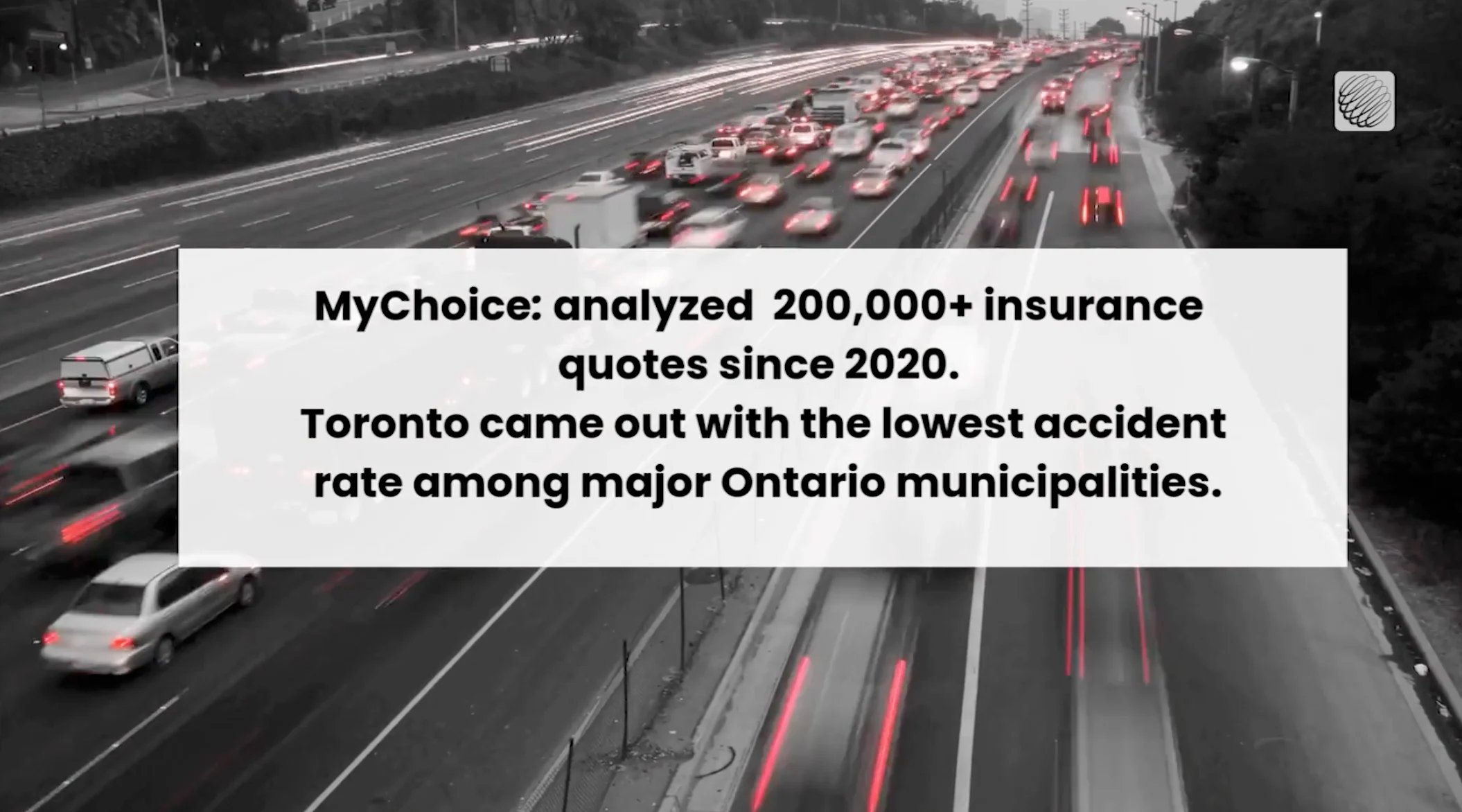
During one winter weather event alone, nearly 200 collisions were reported across the GTA. So what actually drives crash risk? Is it the forecast itself, or is it what drivers do once roads get snowy, icy, slick, or just messy?
“It all comes down to speed. And if you're driving in Toronto and you're stuck in traffic, I think that bad weather is going to definitely have a lower impact on your chances to get into an accident,” explained Vitalii Starov, vice president of product growth at MyChoice.
SEE ALSO: Why Toronto's Don Valley Parkway floods so often
Toronto’s ranking may have more to do with the conditions people are driving in every day. Heavy congestion may be frustrating, but it can also slow drivers down. In bad weather, that matters.
“I think the proof is in the pudding: Toronto and Ottawa, the two places that had the most speed cameras, had the lowest amount of speed tickets per capita,” Starov explained.
If traffic is crawling, drivers have less room to make the kind of fast, risky moves that can turn poor conditions into serious crashes. On more open roads, especially outside dense urban areas, it can be easier to keep driving as if conditions are better than they actually are. That is where things can go wrong quickly.
So yes, weather absolutely plays a role. Snow, ice, and low visibility can raise the risk in a hurry.
But weather is rarely the whole story.
Crash risk is also shaped by speed, following distance, enforcement, infrastructure, and how quickly drivers adjust when conditions change. Toronto may rank safest overall, but storm-day collision spikes are a reminder that no city gets a free pass when the weather turns.
The forecast may set the stage, but driver behaviour still helps decide the outcome.