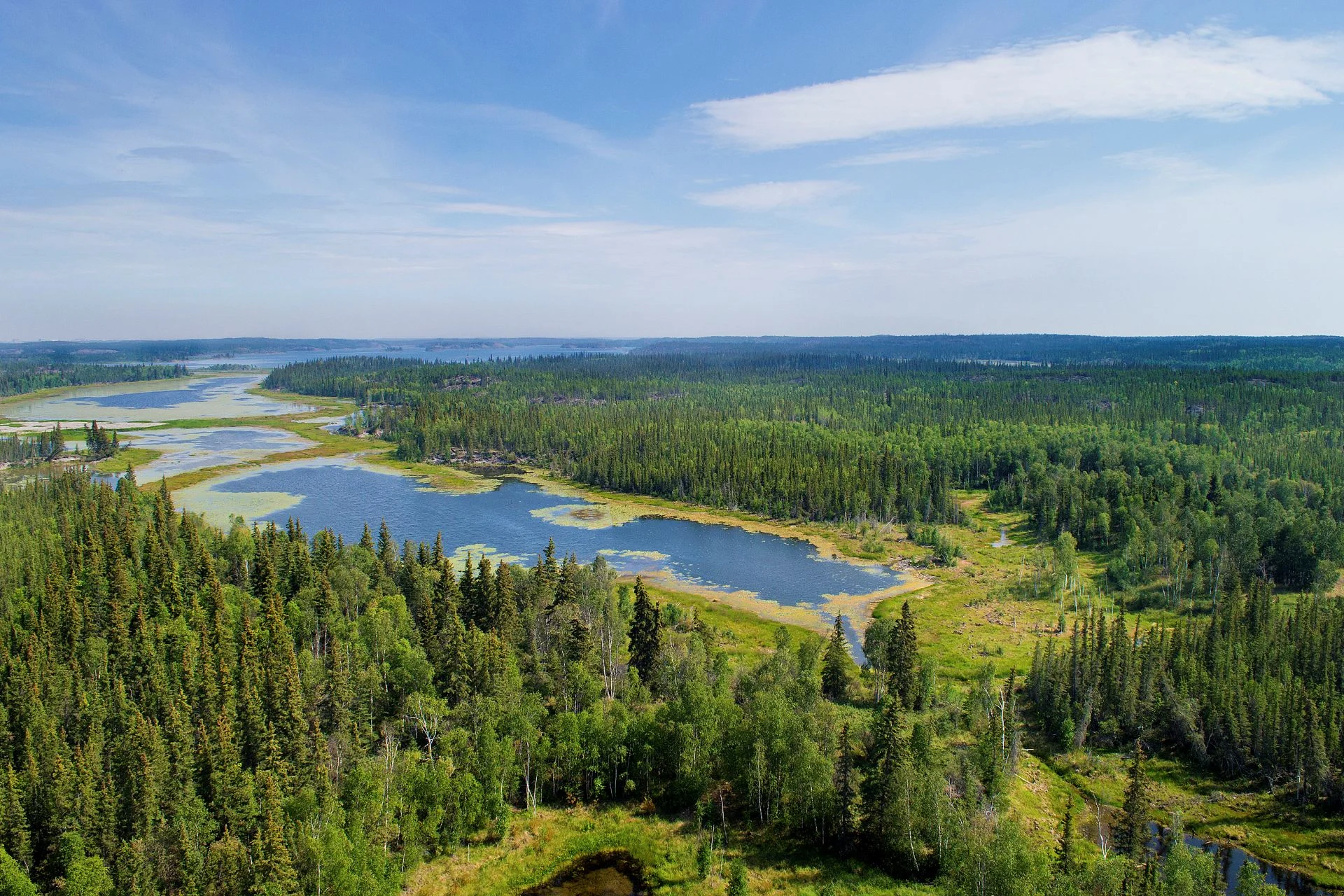
Feb. 2 isn't just about the groundhogs. Why World Wetlands Day matters

Feb. 2 is more than just a day for the groundhogs. It's also a day to mark the importance of our wetlands. With Canada having lost up to 70 per cent of them, World Wetlands Day aims to increase awareness of the vital ecosystem
Many folks across the world were treated to a mixed reaction from the groundhogs on Monday, Feb. 2, with some calling for an early spring and others saying there will be six more weeks of winter, but that wasn't the only affair on that day.
World Wetlands Day is also recognized each year on Feb. 2, an annual initiative to increase awareness about wetlands. As well, the day also honours the anniversary of the Convention on Wetlands--adopted as an international treaty in 1971.
SEE ALSO: Answer to high ocean acidity may lie in carbon transfer from wetlands
Critically important for numerous reasons, Canada's wetlands are in trouble from a multitude of threats.
According to Ducks Unlimited Canada (DUC), Canada has lost up to 70 per cent of its wetlands in developed areas as a result of the pressure to support and sustain a growing population. Of the remaining wetlands on the planet, Canada houses about 25 per cent of them.
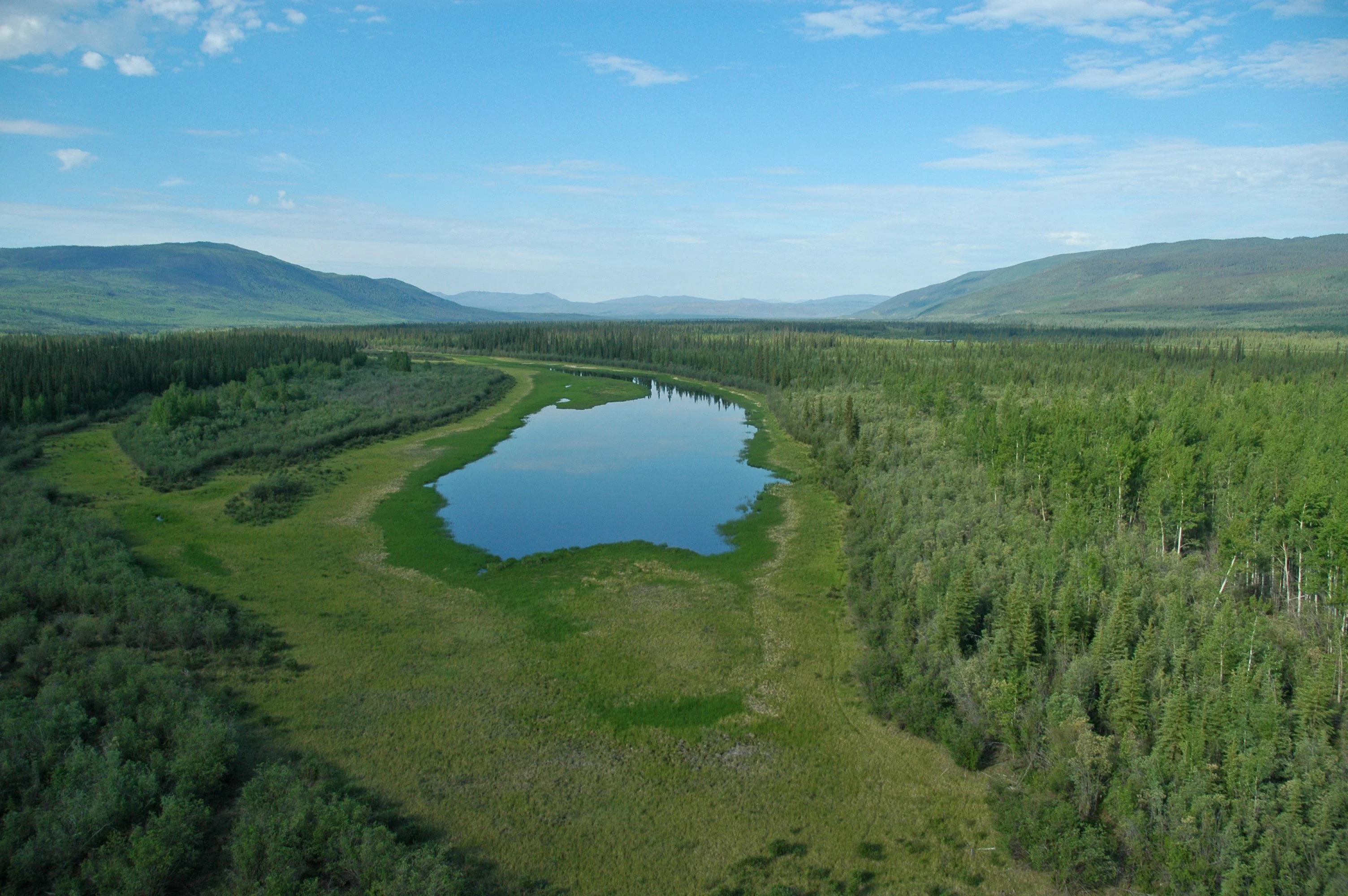
Feb. 2 is World Wetlands Day. (Ducks Unlimited Canada/Submitted to The Weather Network)
"Wetlands are a natural climate solution. They help mitigate climate change by acting as major carbon storage systems. Plants in wetlands absorb carbon dioxide from the atmosphere, and much of that carbon becomes locked in wetland soils, rather than being released back into the air," said Pat Kehoe, acting CEO of DUC, in a statement emailed to The Weather Network.
Canada wetlands facing numerous stressors
Kehoe noted that agriculture, urban expansion and other land uses, particularly in southern, populated regions, have put stress on the remaining wetlands.
Not only that, climate change is also having a negative impact on wetlands as the frequency and severity of extreme weather events continues to rise.
"Rising temperatures and shifting precipitation patterns also alter the ecological balance, making it harder for many wetland species to survive and reproduce. These changes threaten the wetland ecoservices that communities depend on," said Kehoe.
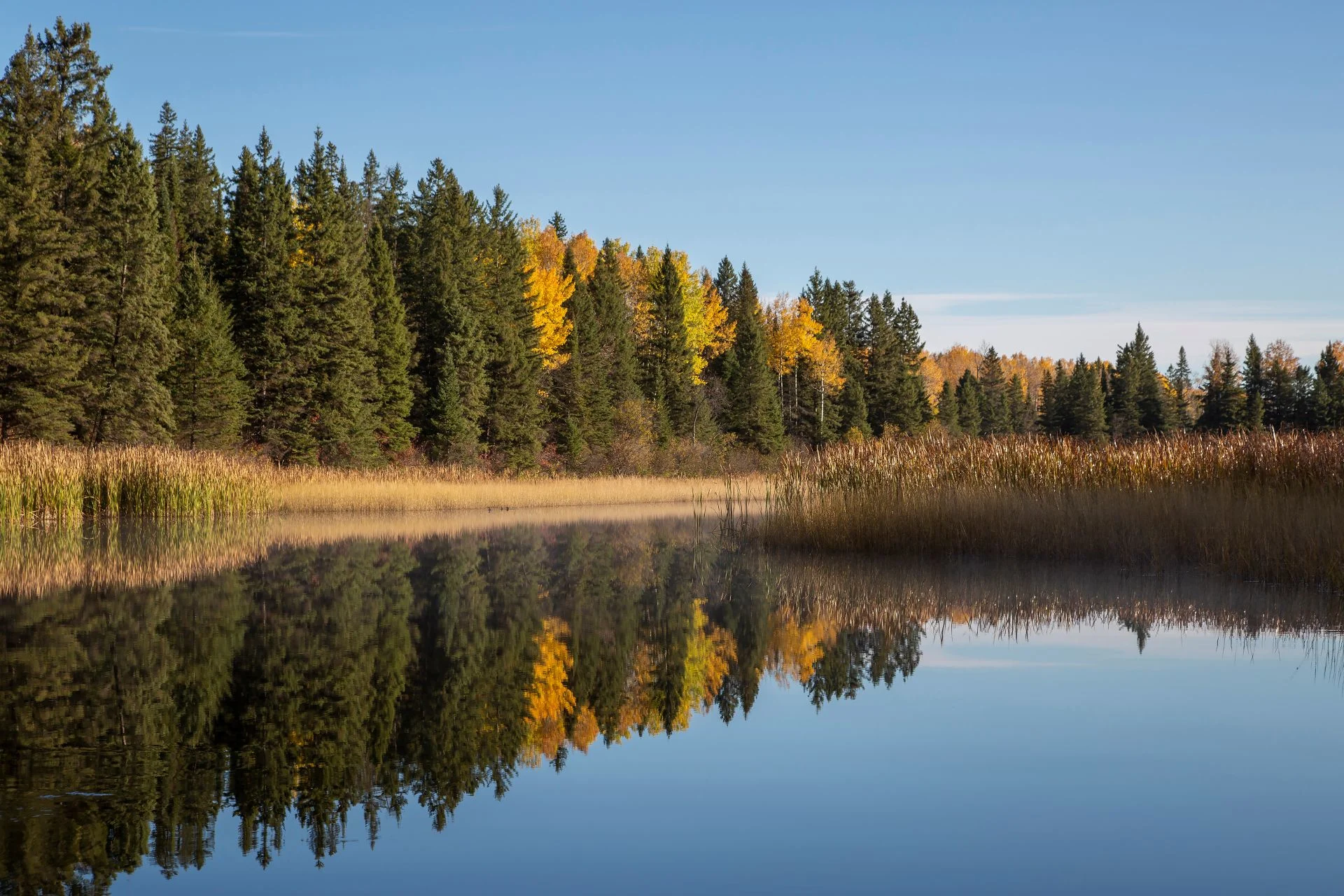
Boreal wetland. (Ducks Unlimited Canada/Submitted to The Weather Network)
Wetlands are vital in mitigating the impacts of climate change on communities by reducing flood severity, storing water during droughts, and lessening erosion, Kehoe said, adding, "wetlands make our landscapes more resilient."
Wetlands provide strong, economic value
Aside from the environmental benefits of wetlands, they also strengthen local economies by supporting tourism and recreation, fisheries, higher property values and reliable water supplies for agriculture and industry, says Dana Kleniewski, regional vice-president in Ontario at the Nature Conservancy of Canada (NCC).
"As climate volatility increases, they add another layer of protection by storing carbon, buffering extreme weather, and stabilizing shorelines and riverbanks, helping lock in lower, climate-related costs over time," said Kleniewski, in a written statement emailed to The Weather Network.
According to Kleniewski, nearly half of Canada’s wildlife species, and a third of at-risk species, depend on wetlands for at least part of their life cycle.
"As governments, businesses and insurers decide where to invest in resilience, wetlands should no longer be treated as optional or secondary. They deserve the same seriousness we give to roads, bridges and stormwater systems because it is far cheaper to prevent damage than to keep paying for it after the fact," said Kleniewski.
DUC working on study to predict wetland formation or disappearance
DUC has an ongoing study that uses "cutting-edge modelling" in the boreal forest to predict where wetlands will form or disappear under future climate scenarios, Kehoe said.
"That gives us the ability to plan ahead and protect the ecosystems that will matter most in the decades to come," said Kehoe.
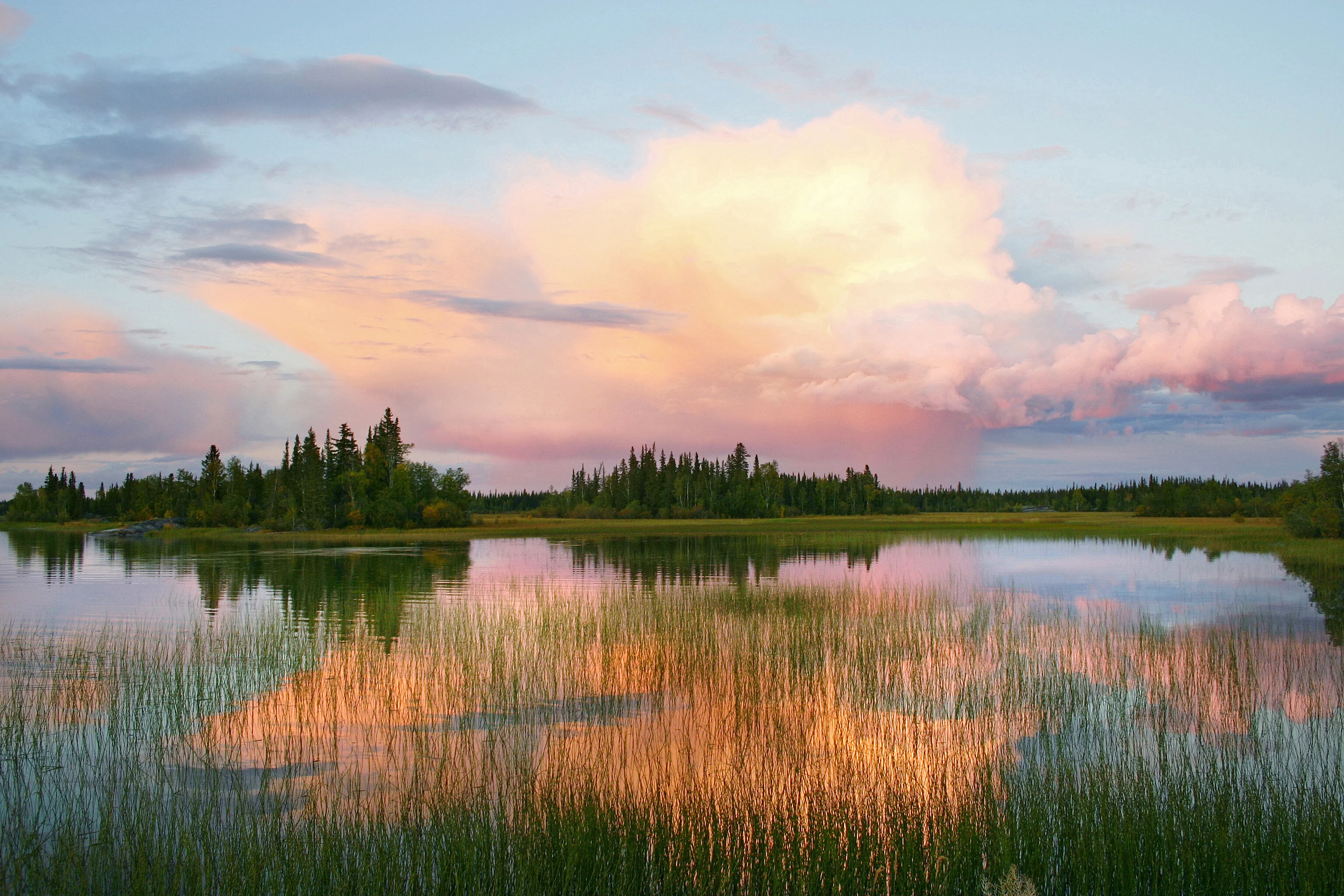
(Ducks Unlimited Canada/Submitted to The Weather Network)
According to DUC, Canada’s boreal region is one of the most important, natural landscapes on Earth that covers nearly 1.3 billion acres (5.26 million square kilometres). An estimated one square metre of peatland in Canada’s boreal region stores about five times more carbon than one square metre of tropical Amazon rainforest.
"The world is losing wetlands three times faster than forests, which means wetlands are disappearing at an alarming rate, even though we’re just beginning to understand all the benefits they provide," said Kehoe.
To coincide with World Wetlands Day, Ducks Unlimited Canada helped premiere a new documentary, Mission to Marsh, on Feb. 2. Canadians can enroll for the English premiere of the livestream.
For more information on the importance of wetlands, visit this website in English or French.
WATCH: Rising ocean temperatures could threaten future sharks
Thumbnail courtesy of Ducks Unlimited Canada.