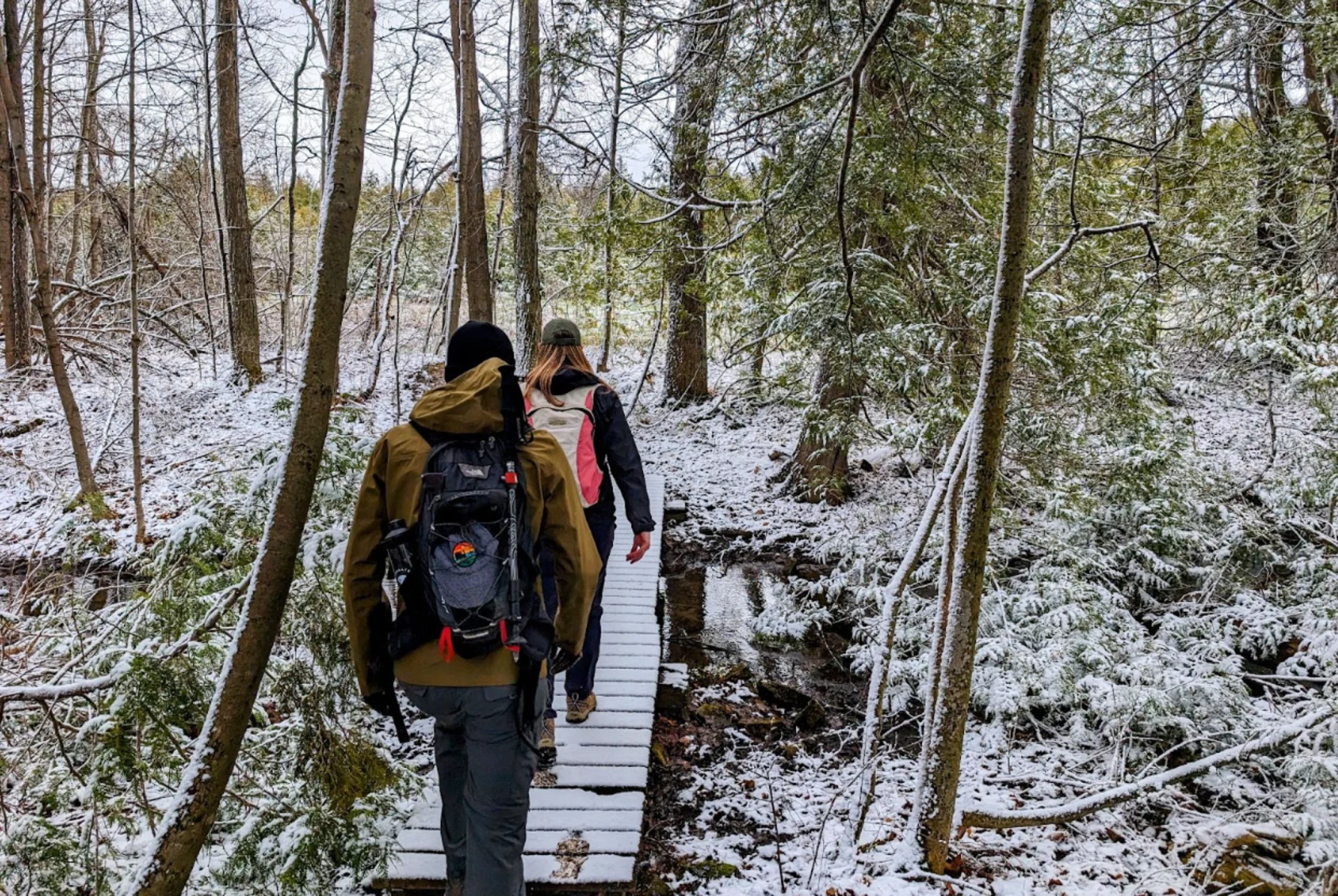
Brave the Cold: 5 tips for safe winter hiking

Snow, ice, and Canada’s longest marked footpath—here’s how to brave the Bruce Trail this winter
Walking through a winter wonderland can feel calm and magical, until the weather decides to change its mind.
On a trail as long as the Bruce Trail, Canada’s oldest and longest marked footpath, that shift can happen quickly and sometimes without warning.
“The Bruce Trail is so long, the weather conditions can be very different down in the south compared to up north near Tobermory,” explained Michael McDonald, CEO of the Bruce Trail Conservancy.
SEE ALSO: Hidden gems hikers should check out in southern Ontario
Stretching more than 900 kilometres of main trail, plus another 450 kilometres of side trails, winter conditions are rarely the same from one section to the next. Here’s how to be prepared to face anything winter throws at you.
1. Dress and Layer Smart
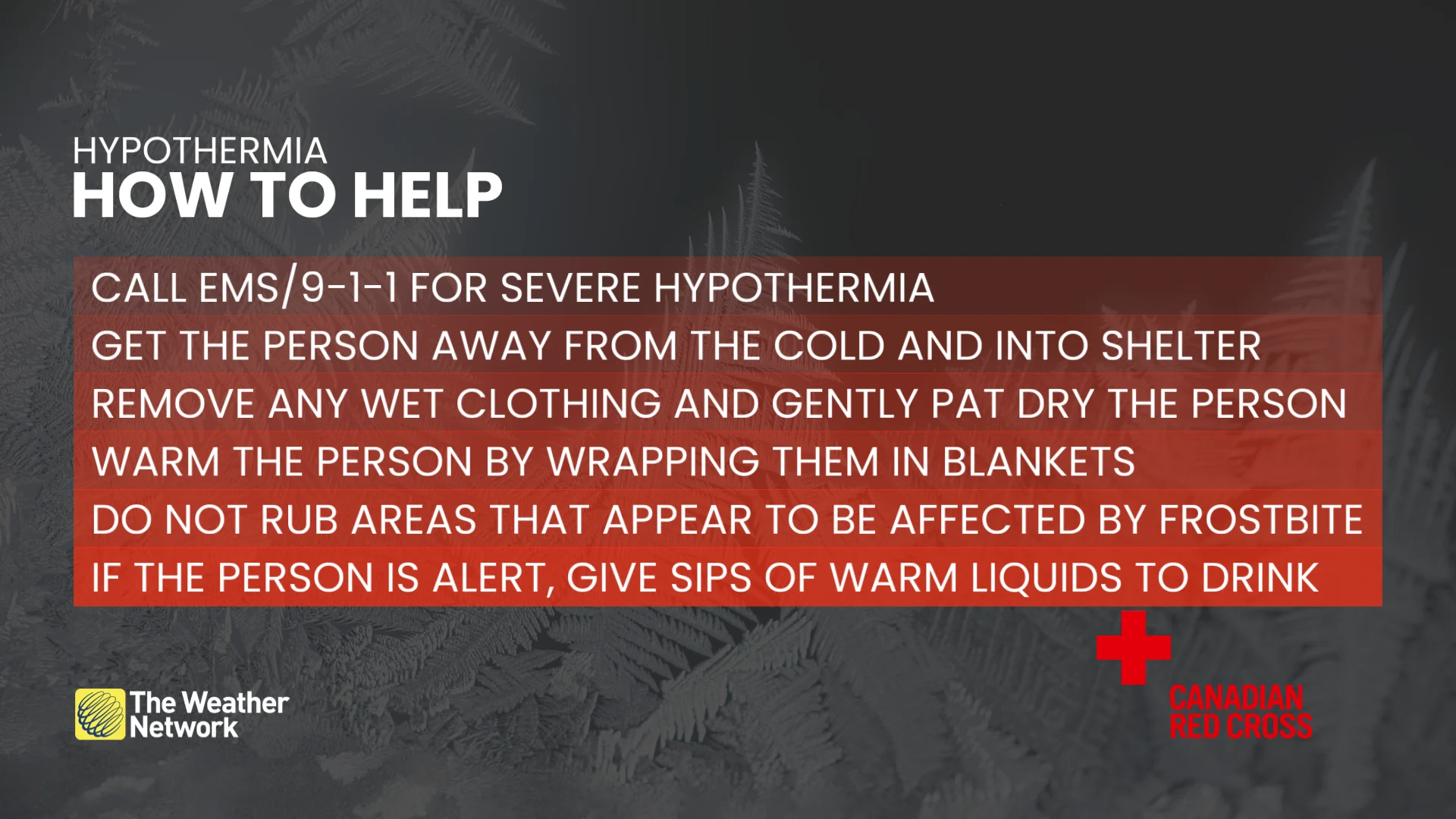
Winter hiking is all about flexible layers. Cotton traps moisture and can increase the risk of hypothermia, even on shorter hikes. Instead, start with a moisture-resistant base, add fleece or wool, and finish with a winter jacket and outer layer that protects against wind and snow.
“You would be surprised how much you sweat when exercising outdoors in winter… if you are too warm, it is better to shed a layer,” explained McDonald. Flexible layers let you adjust as conditions change.
It is always easier for your body to cool down than warm up.
2. Pack the Essentials
Bring a backpack with the essentials, along with water and snacks, you should pack:
Safety Gear: First aid kit, whistle, flashlight
Clothing and Protection: Extra socks and layers
Footwear: Hiking boots are ideal
It might not feel like it, but winter hikers sweat more than they realize. Cold, dry air pulls moisture from your respiratory system leading to dehydration. Bringing water and snacks is essential to keep energy up and stay safe on the trail.
3. Gear Up for Stability and Safety
Snowy trails look peaceful, but ice, rocks, buried roots, and slippery leaves can make hiking tricky. Proper footwear and traction gear go a long way toward keeping you upright and confident.
“Hiking poles are great for stability, especially along the Niagara Escarpment, where it can be rocky and icy,” explained McDonald.
“You can also wear icers, which are small spikes that strap onto your boots for added traction.” Packing a flashlight is smart, but it should be a backup, not part of your plan. “I do have a flashlight in my backpack, but you really want to think about how long your hike will take and be aware of when the sun sets. You do not want to hike in the dark,” explained McDonald.
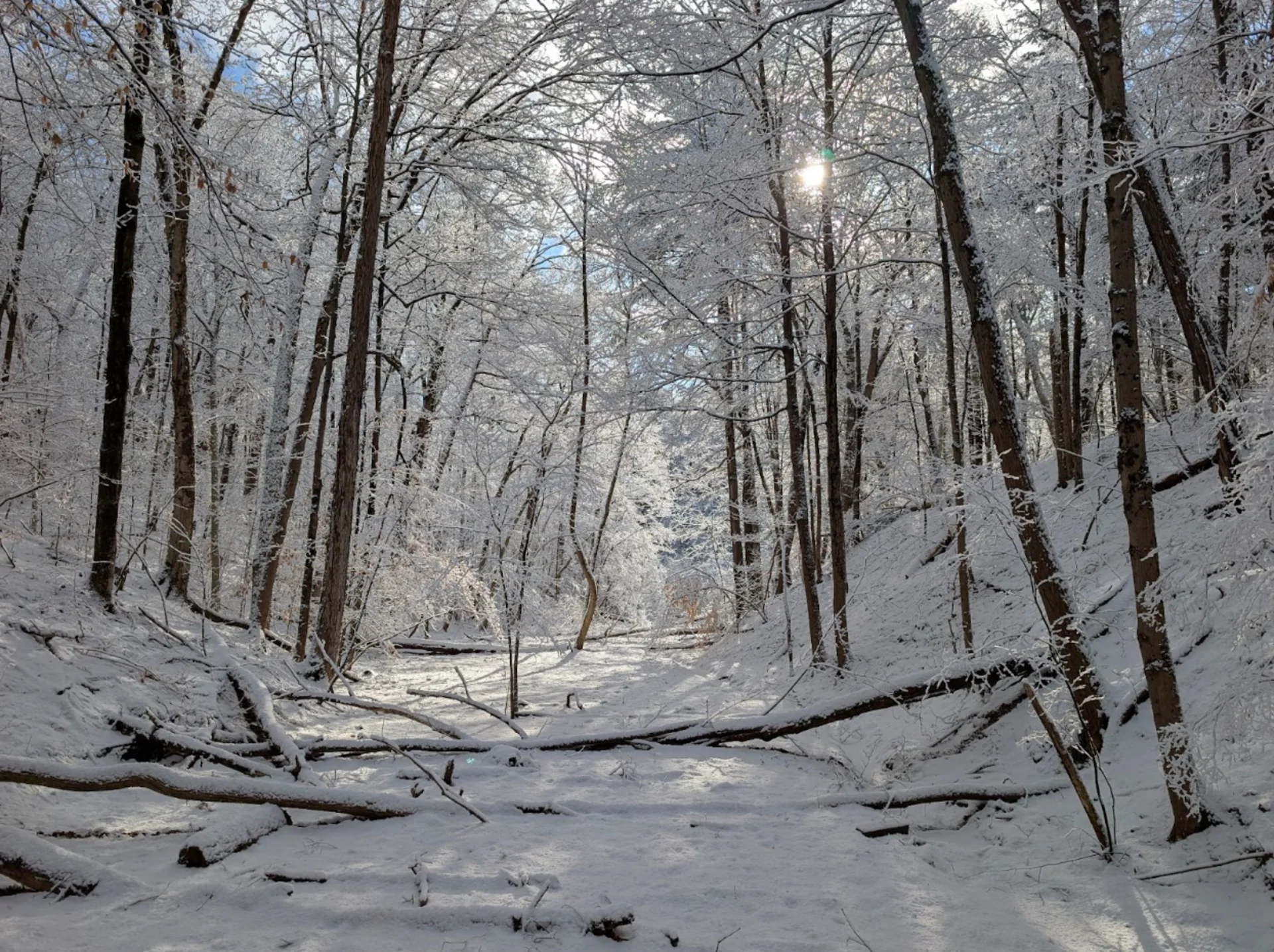
(Courtesy of Michael McDonald, CEO of the Bruce Trail Conservancy)
4. Check Conditions and Know When to Turn Around
Before every hike, check The Weather Network for the latest forecast and the Bruce Trail Conservancy for trail conditions. Winter trail closures happen due to ice, erosion, or fallen trees, and conditions can deteriorate quickly.
Make sure to follow trail signage and have a map of the area on hand so you never lose your way.
If your hands or feet start to feel numb, visibility worsens, or you feel more tired than expected, that is a good sign it is time to turn around.
5. Hike With Company and Connect with Nature
In 2025, more than 2.5 million visits were recorded on the Bruce Trail, adding up to roughly 1.4 million hours spent outdoors. Even with that popularity, winter hiking is safest when it is shared.
McDonald recommended hiking with a friend so that if someone slips or gets hurt, help can be reached quickly. The trail itself is maintained entirely by volunteers, keeping 1,400 kilometres accessible and free. So make sure to keep your eyes peeled for beautiful sightings of wildlife, including foxes, deer, bears, owls, and more! Dogs are also welcome on the Bruce Trail, as long as they are kept on a leash to protect wildlife.
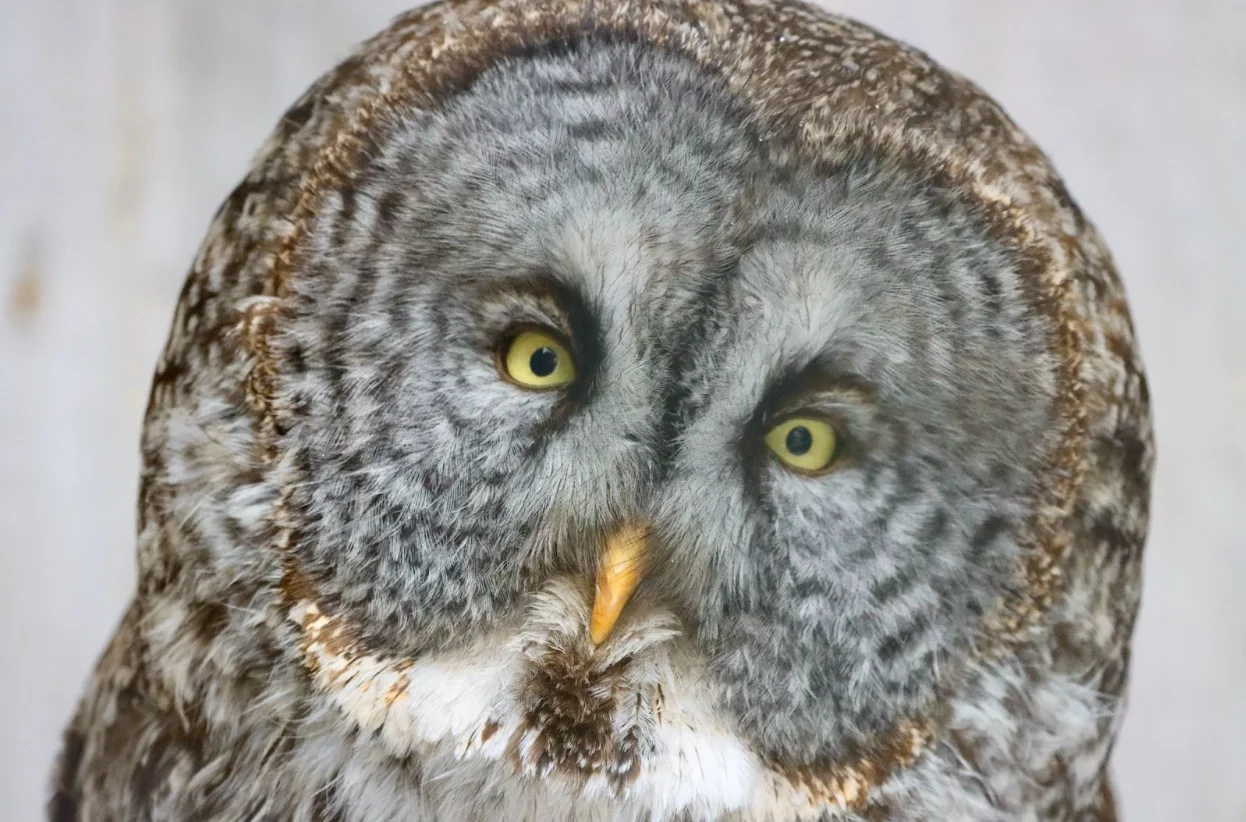
(Courtesy of Michael McDonald, CEO of the Bruce Trail Conservancy)
"The Bruce Trail was sort of built so that people would fall in love with nature so they want to protect it," explained McDonald. "So I would say, get out exploring. It's magical. It's really great for your mental health, It's really great for exercise, and there's so much beauty in your own backyard, you wouldn't believe it. So come on out and explore."
Winter hiking is not about braving the cold, it is about working with it. Dress for movement, plan around daylight, and respect changing conditions, and winter trails open up in a whole new way. Fewer crowds, a solid workout, and some of the most peaceful moments of the season are waiting out there. In the words of McDonald, go out and explore!