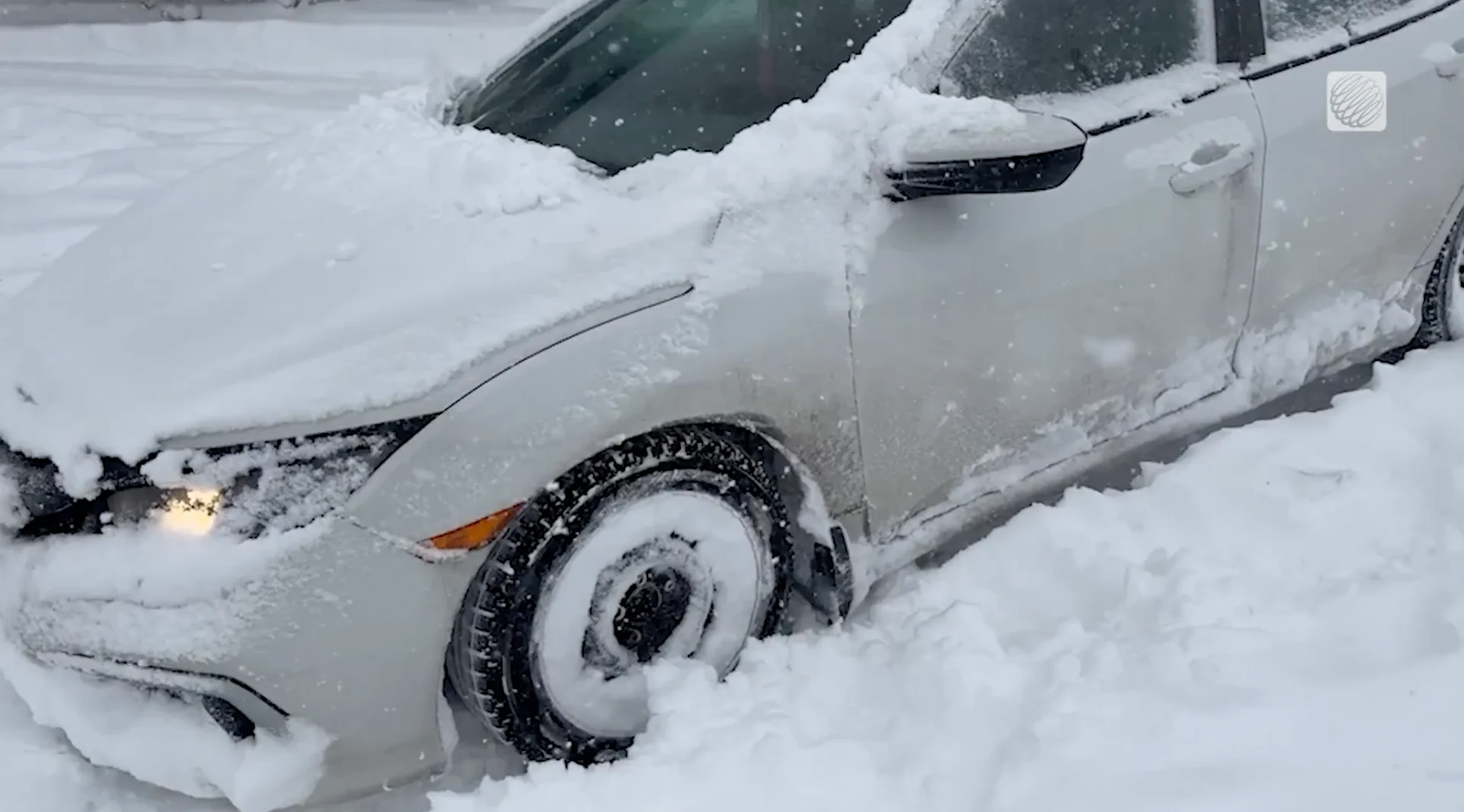
Car shaking after a snowstorm? Here's why

Don't let winter weather take a toll on your vehicle. We explain the hidden dangers of snow buildup in your wheel wells, and why maintaining the correct tire PSI is critical for safe winter driving.
When your vehicle has been exposed to heavy snowfall, especially if you’ve been stuck in it, snow will stick to the interior of your wheel well like a popcorn kernel in your tooth after the movies.
Kicking the gunk off the next day is the equivalent of flossing, so why is it so important to make sure you get it all?
You may notice when you’re driving at high speeds that the vehicle will literally shake.
“Having that debris stuck in your wheel wells can impact components like your suspension," said Aidan Dickinson, a service advisor at HFX Tire & Oil.
He says it’s a common issue during Canadian winters.
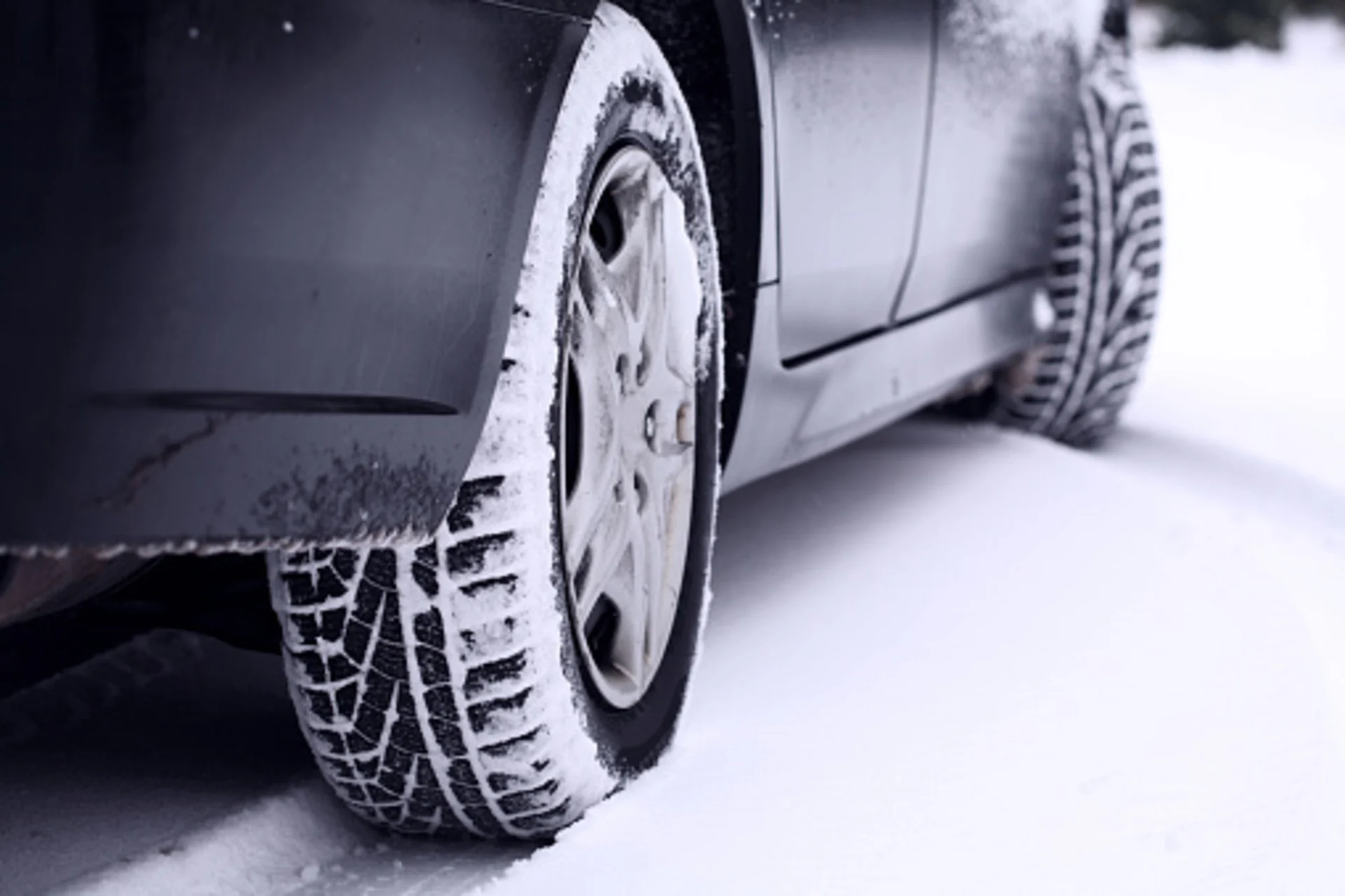
“That can cause the vehicle to shake. It can also cause the wheels or tires [to be] off balance. That will result in some shaking at high speeds," said Dickinson.
If left for too long, the salt chunks can turn into heavy ice, which can damage your fender liners or the threads of your wheels when you’re trying to turn.
The best way to prevent this is by taking it to a car wash and spraying it all off as soon as possible after a storm.
Another thing to keep an eye on is your tire's PSI. It stands for pounds per square inch, a unit of pressure.
Cold weather can change it and every tire's level requirement is different.
“The correct PSI level can be found by opening your door and looking right here,” said Dickinson.
You will lose a little bit of air in those colder winter months, but as long as you have a really tight seal and keep your rims clean, it will limit air loss.