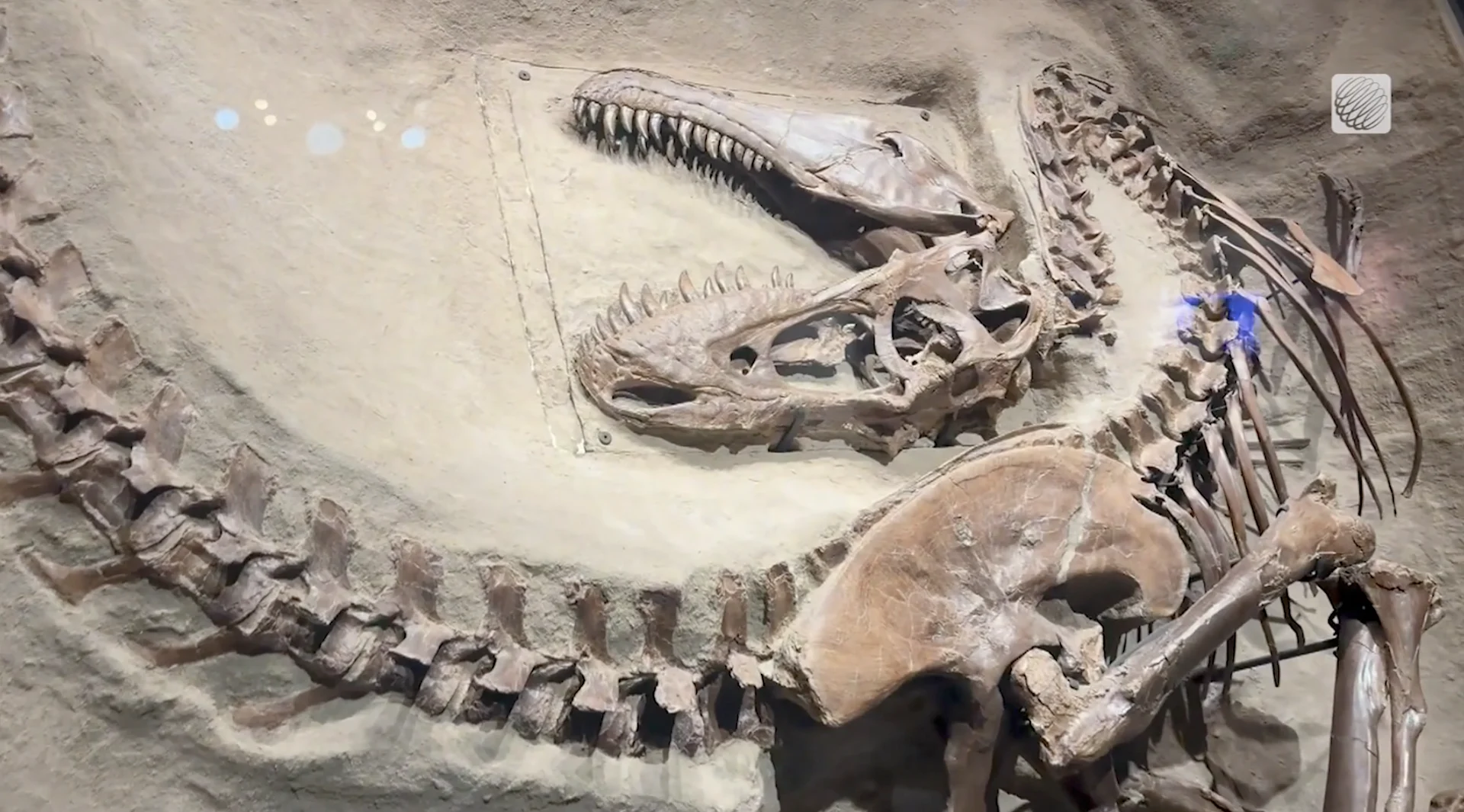
Hunting for dinosaur bones in Canada: Go fossil digging in Drumheller, Alberta

Welcome to another episode of the Wildest Classroom, The Weather Network’s new series dedicated to sharing tips, hacks, and experiences for teaching your kids in the best classroom of all: the great outdoors.
In this episode of Wildest Classroom, The Weather Network’s reporter Mia Gordon travels to Drumheller, Alberta—the dinosaur capital of the world—to answer a question that’s on every curious child's mind: how are dinosaur fossils found?
Present day Drumheller is a scorching desert. Standing in the valley, it feels like you are on a desert moon - a maze of towering hoodoos and wind sculpted rock shining under the prairie sky. But if we hit the rewind button, and traveled back 75 million years to the Late Cretaceous period, this region was unrecognizable. Back then, Alberta was a seaside, subtropical climate - almost like modern day Florida. Lush forest, dense swamps, and of course giant Centrosaurus and Albertosaurus roamed the Earth.
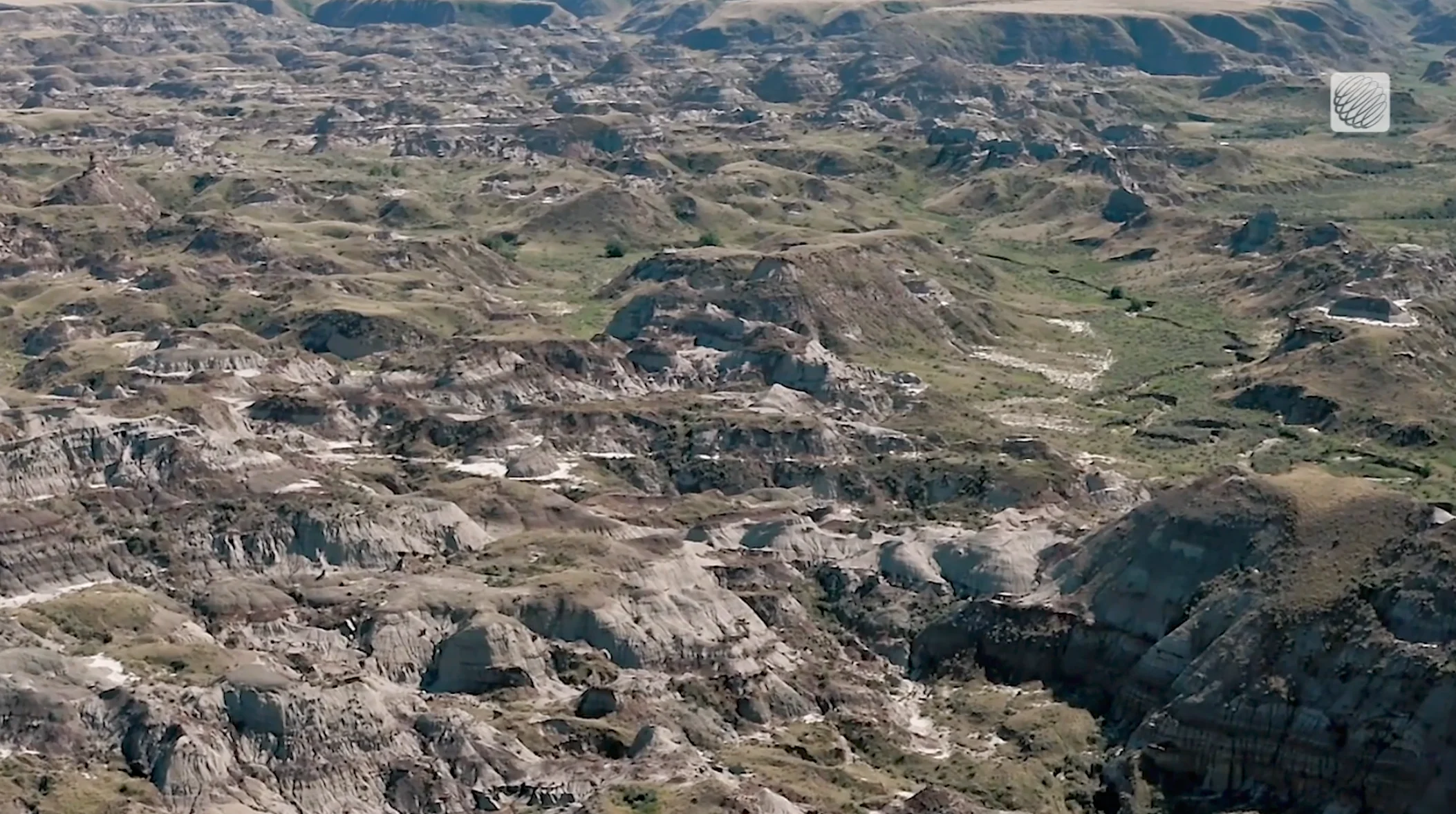
(The Weather Network)
RELATED: Go cave-diving in Alberta
Today, fossils can be discovered among the rocks, revealing the story of what once existed. However, if you want to uncover artifacts from the age of dinosaurs, you’ll need more than just a keen eye; you also need to understand how to interpret the weather.
To get some answers, my family and I made our way to the Royal Tyrrell Museum. Nestled directly in the sandstone coulees of Midland Provincial Park, this museum is one of a kind. It is Canada’s only institution dedicated exclusively to paleontology. It is home to over 160,000 cataloged fossils, the majority of which were found in Alberta. Walking through the halls, the line between modern research and ancient field discovery dissolves, and through wide glass windows you can actually watch active paleontologists digging through rocks to uncover secrets buried for millions of years in the stone.
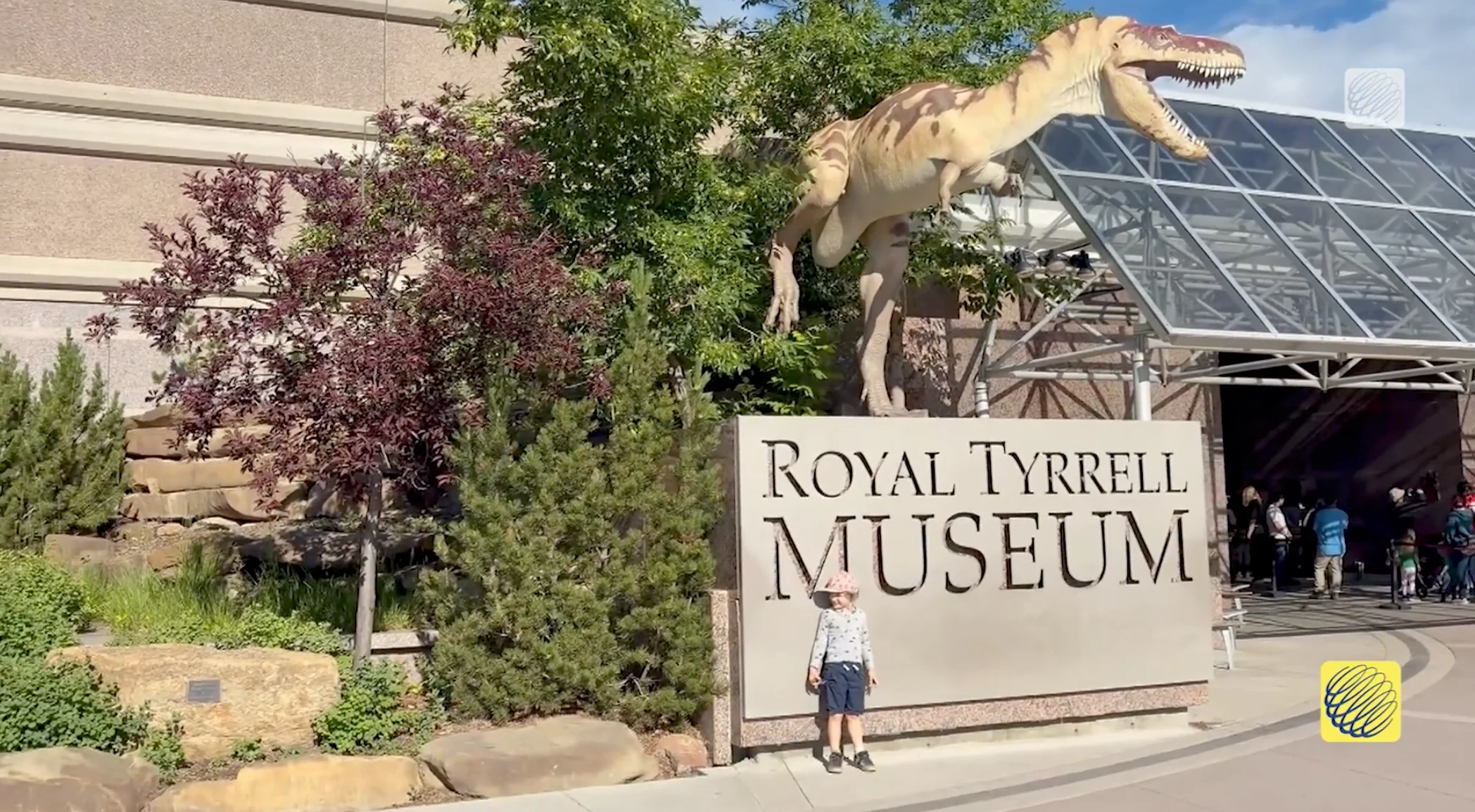
(The Weather Network)
SEE ALSO: Got your hands on a space rock? Here's how to know for sure!
To get some answers, my family and I made our way to the Royal Tyrrell Museum. Nestled directly in the sandstone coulees of Midland Provincial Park, this museum is one of a kind. It is Canada’s only institution dedicated exclusively to paleontology. It is home to over 160,000 cataloged fossils, the majority of which were found in Alberta.
Walking through the halls, the line between modern research and ancient field discovery dissolves, and through wide glass windows you can actually watch active paleontologists digging through rocks to uncover secrets buried for millions of years in the stone.
But best of all, the museum offers real-life experience for young explorers, taking paleontology off the pedestal and putting it directly into your hands, and the Wildest Classroom had a chance to explore the canyons, learn how to read the rock layers, and hold real dinosaur bones. This was also the chance for our little explorer Max (my oldest son of two) to ask the Wildest Classrooms' wildest question, “What is the best weather to search for dinosaur fossils?” And who better to answer that than Earle Wiebe, Head of Education at the museum.
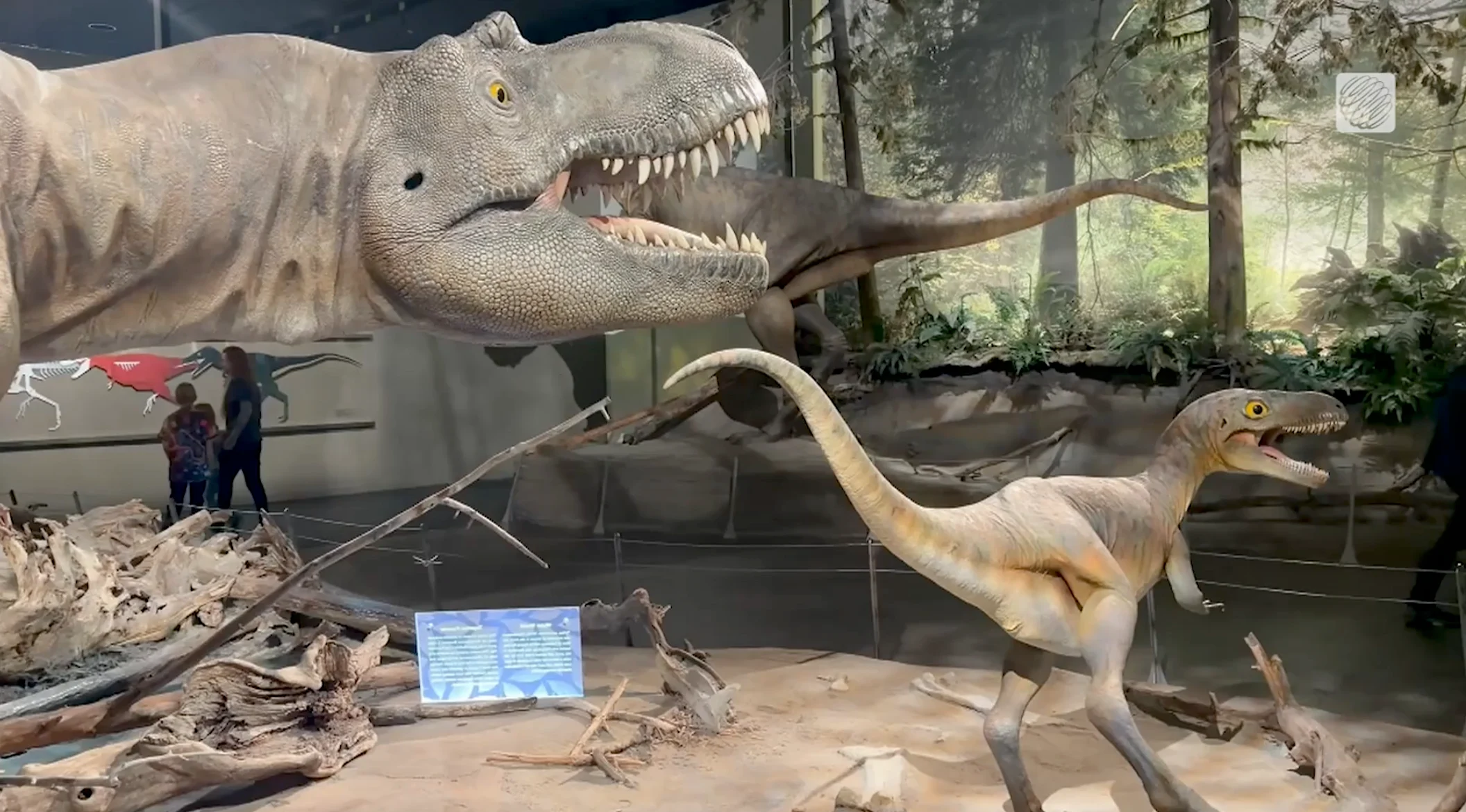
The Royal Tyrrell Museum houses a range of galleries and exhibit spaces that immerse visitors in the 3.9-billion-year history of life on Earth. (The Weather Network)
"The perfect day would be not too hot, a low sun angle, and a couple days after the rain has washed away some of the rock and exposed some of the fossil,” he replied.
Rain acts as nature’s pressure washer. Millions of years of dirt washed away in a single cloudburst, exposing fresh rock layers that haven’t seen daylight since the Cretaceous period.
And what should you look for when searching for dinosaur fossils? Wiebe showed us one and pointed out a few features: "Look for the pores.”
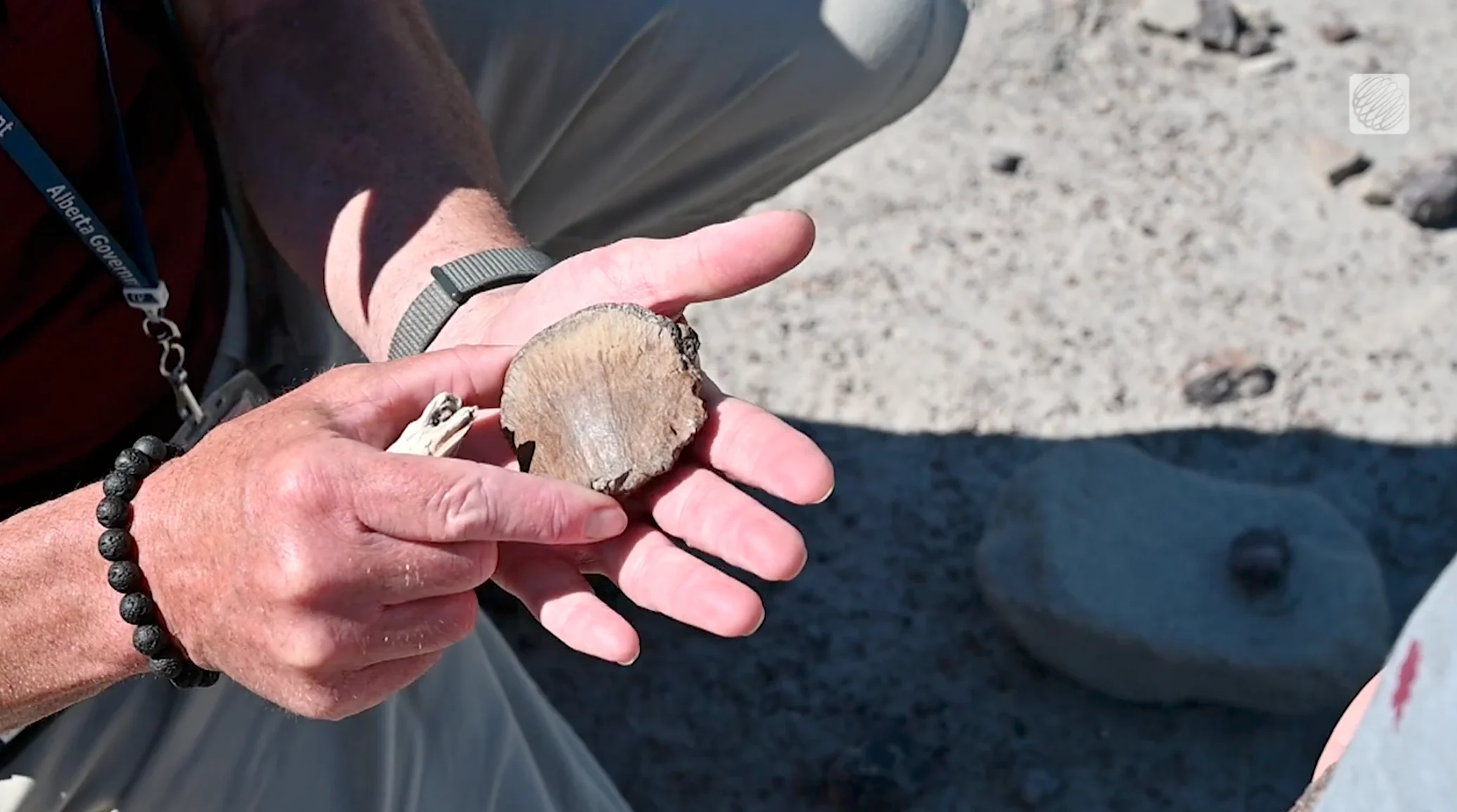
Wiebe holds a dinosaur fossil found in Drumheller, Alberta. (The Weather Network)
Just like any bone, fossils have bone marrow that has been preserved. It looks like little bubbles, or as Weibe describes it, an “Aero chocolate bar.”
REMEMBER THE GOLDEN RULES
Before you get to digging, it is important to remember some golden rules of fossil safety:
Watch the mud. If you are exploring the Badlands after rainfall, the clay can turn into sticky bentonite mud, which can be very slippery, so you should give the trails a few hours to dry off before heading out to explore.
Leave it in place. In Alberta, it is illegal to take fossils from provincial parks. So before you leave, make sure to check your toddler’s pockets because I know my kid loves to collect special rocks. Instead, take a picture so you can remember these memories.
Respect the heat. Rain or shine, the badlands can pull moisture right from you and reach scorching temperatures in the 40s. Pack twice as much water as you think you need and make sure to take lots of breaks for your little explorers.
Science isn't just trapped in textbooks—it’s washing down the canyon walls every time the weather turns! So grab your field kit, keep your eyes on the skies, and get outdoors to uncover the prehistoric secrets buried beneath your feet. So keep digging, and we can’t wait to see you next time on the Wildest Classroom.