More than just bitter cold: The polar vortex can be quite beneficial

Despite being notorious for bringing brutal cold and dangerous wind chills, the polar vortex has a surprising upside. Discover how it can lead to clearer skies, fewer storms, and ideal conditions for winter activities.
When most people hear the term polar vortex, they think of extreme cold, dangerous wind chills and relentless winter weather. While the polar vortex can certainly deliver frigid air, it doesn’t always mean constant storms and widespread disruptions.
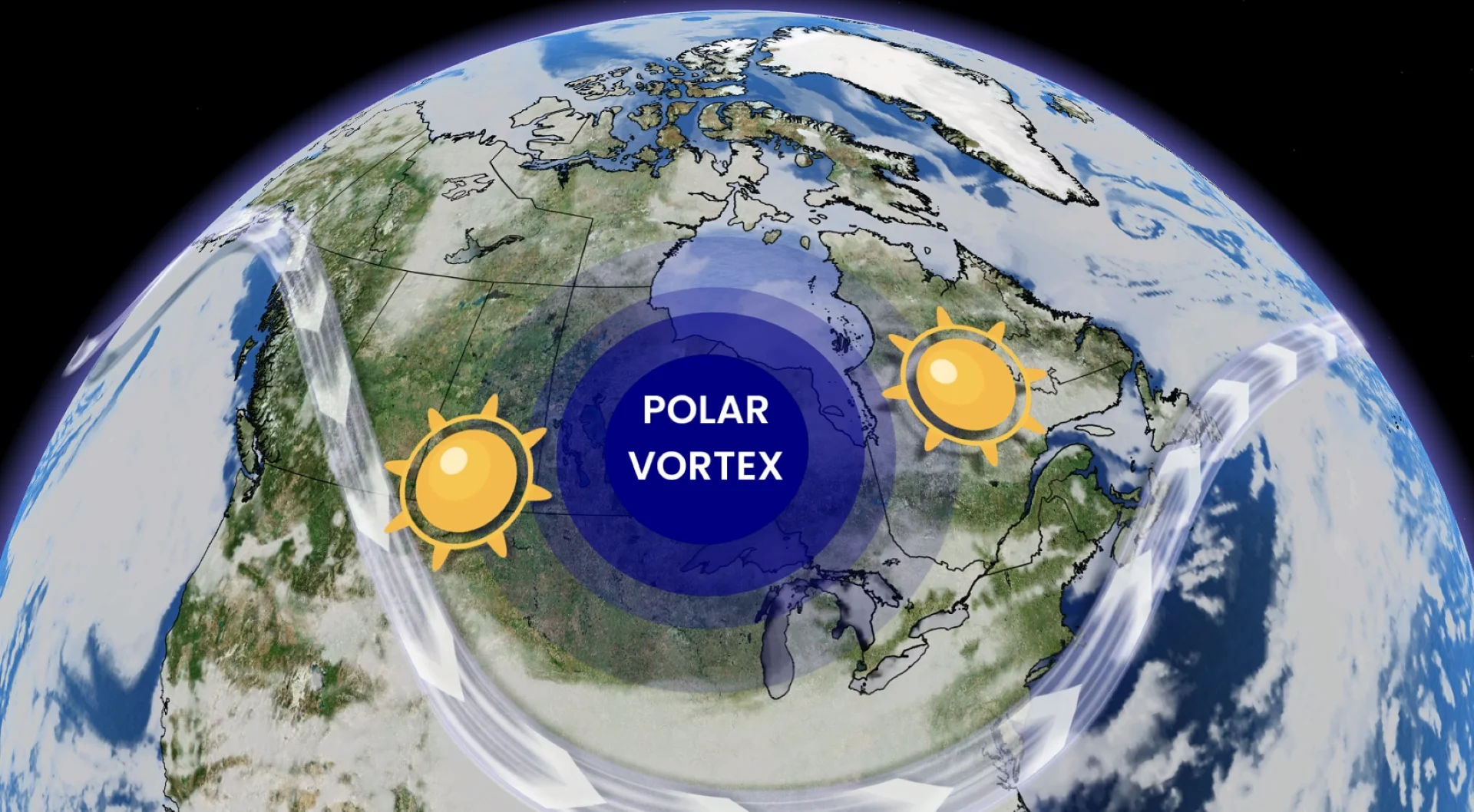
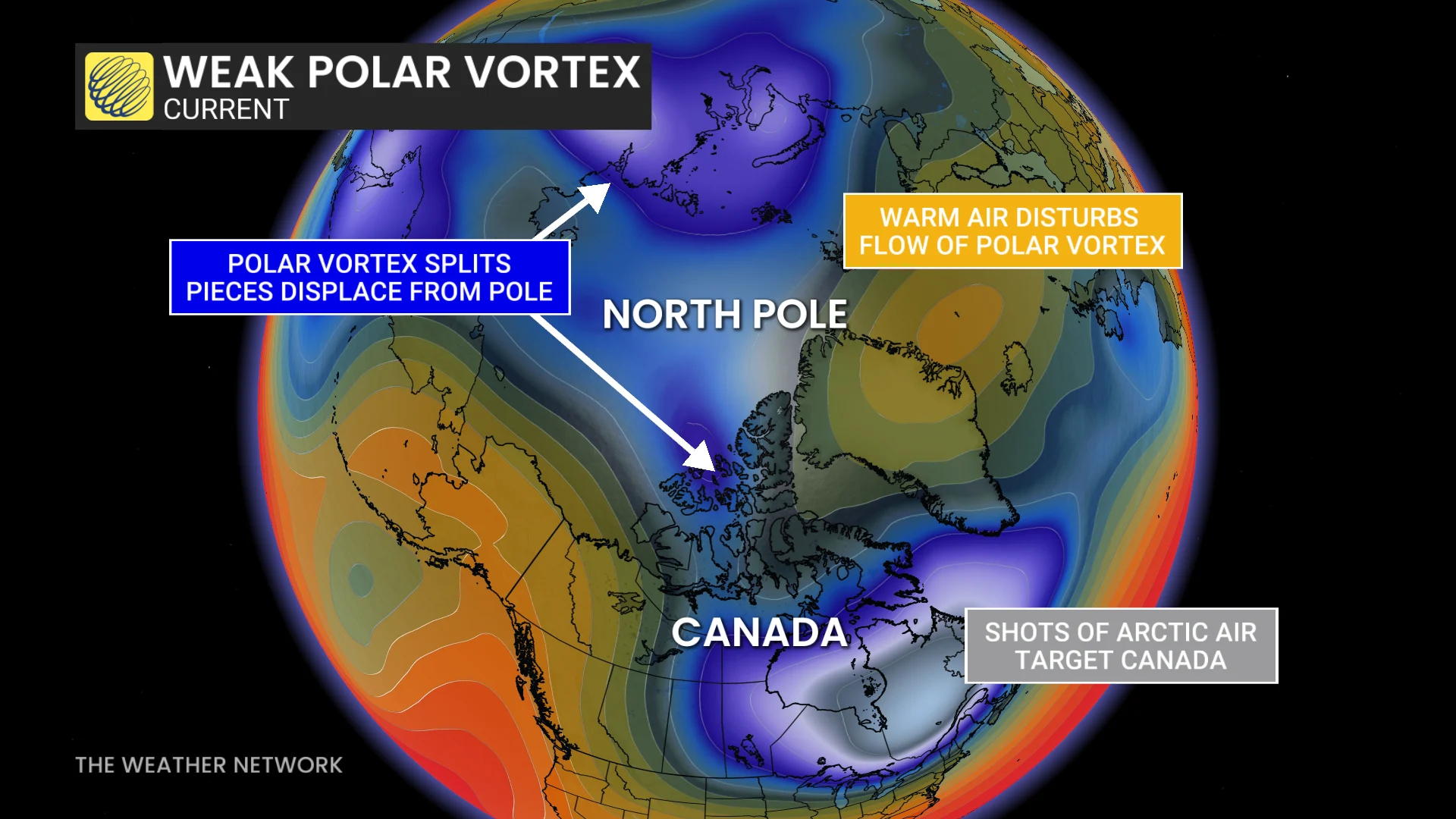
The polar vortex is a large pool of cold, low pressure that circles the Arctic each winter.
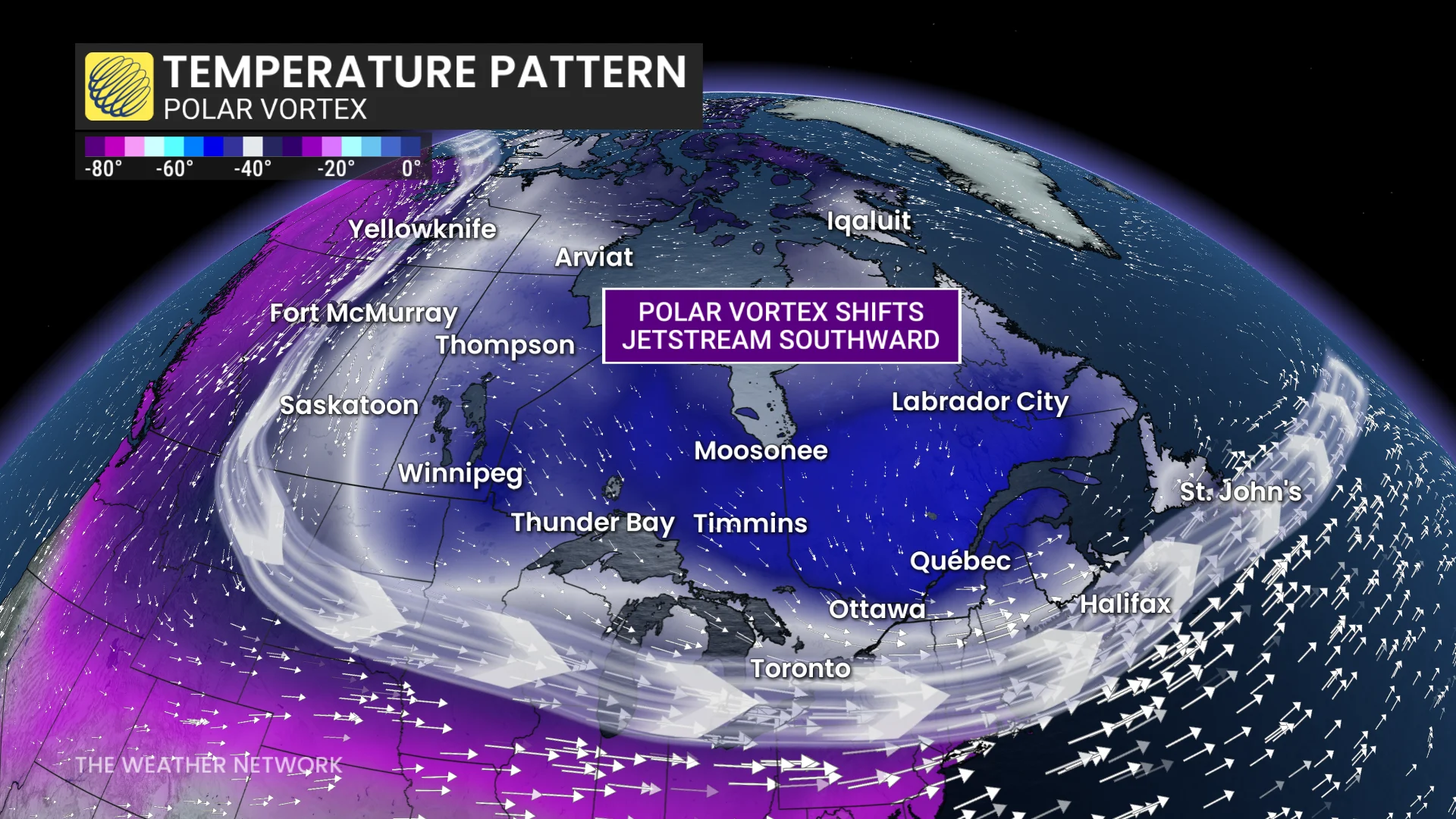
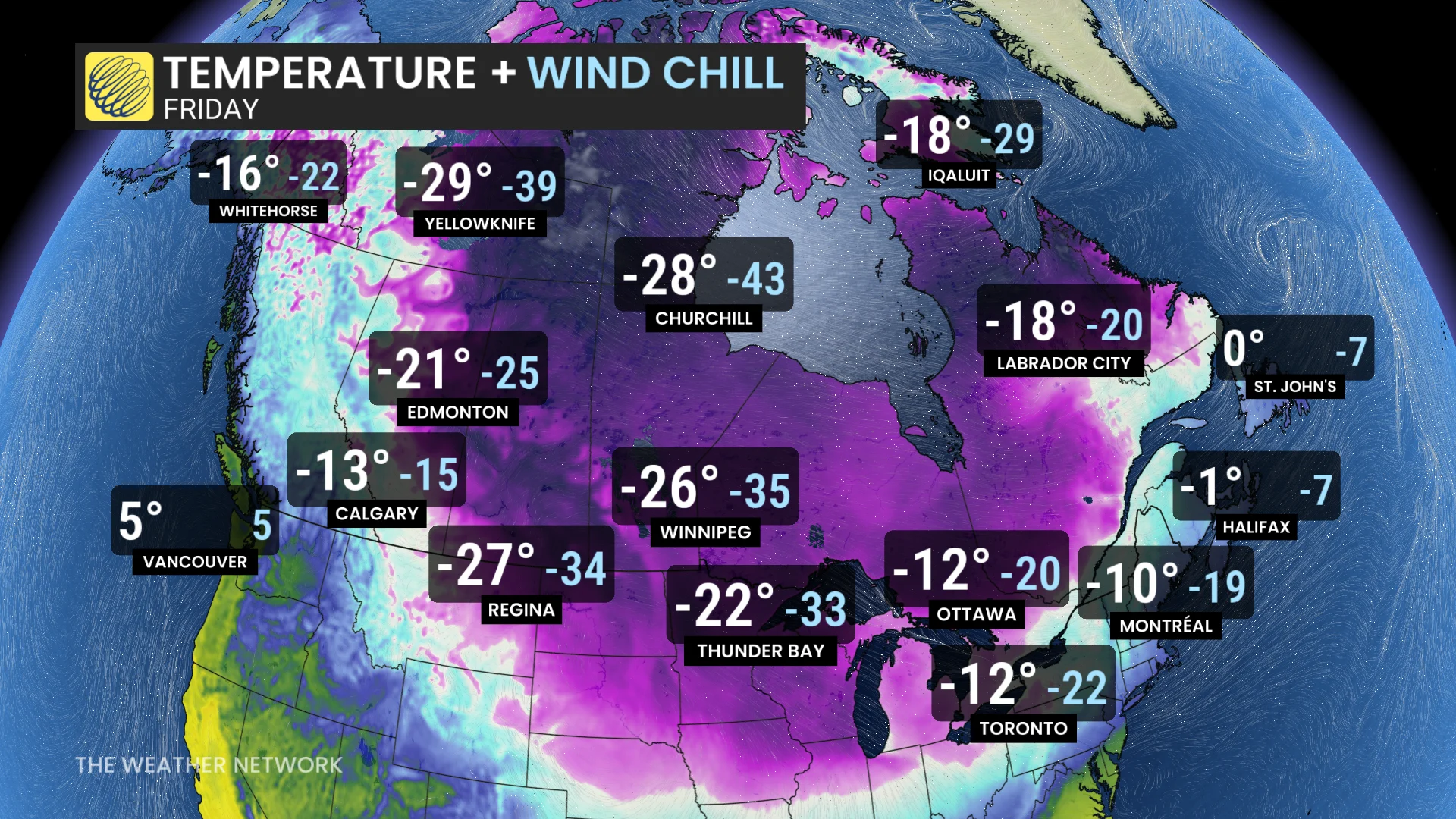
When it remains strong and well positioned, it helps confine the coldest air near the pole. But when it shifts southward, Arctic air can spill into Canada and the northern United States, driving temperatures sharply lower.
DON'T MISS: When is the cold too cold? How extreme cold warnings are issued
While colder temperatures are uncomfortable, this pattern often brings a quieter and more stable stretch of weather.
One of the key impacts is on the storm track. As the polar vortex is displaced southward, it typically pushes the jet stream and the main storm corridor farther south. That keeps many large winter systems tracking across the central and southern United States rather than through Southern Canada. As a result, regions north of the storm track often experience fewer messy winter storms.
Arctic air is typically very dry. With little moisture to work with, cloud cover thins and precipitation becomes less likely. The result is clearer skies and more frequent sunshine, a welcome change from the prolonged, grey, stormy conditions that often accompany milder winter patterns.
Fewer storms also mean fewer travel disruptions. With less heavy snow and mixed precipitation, flight delays, road closures and hazardous driving conditions become less frequent, making winter travel more manageable despite the colder temperatures.
The cold can also benefit winter recreation. Prolonged cold helps preserve the snowpack, improving conditions for skiing, snowmobiling and other outdoor winter activities while extending the season in many regions.
Of course, the polar vortex is not without risks. Extended cold can strain energy systems, increase heating demand and pose health concerns through frostbite and hypothermia, especially when combined with strong winds.
So, while the term polar vortex often raises concerns, sometimes the signal isn't just bitter cold, but a quieter and more manageable winter pattern, which is not such bad news after all.