Scientists work to uncover rare Mediterranean hurricanes

Medicanes can pose a serious hazard to coastal communities in the eastern Mediterranean Sea
Hurricane-like storms sometimes form in the Mediterranean Sea, striking portions of Europe and Africa with damaging winds and destructive flooding.
Scientists are still working to understand what drives the formation of these medicanes, as they’re known, and a recent study took a big leap toward a consensus on how experts approach these storms.
DON’T MISS: How hot water fuels the world’s most powerful hurricanes
Tropical cyclones sometimes form in unexpected places
Tropical cyclones are a common hazard around the world. These storms are known as hurricanes around North America, typhoons in the western Pacific, and simply ‘cyclones’ everywhere else.
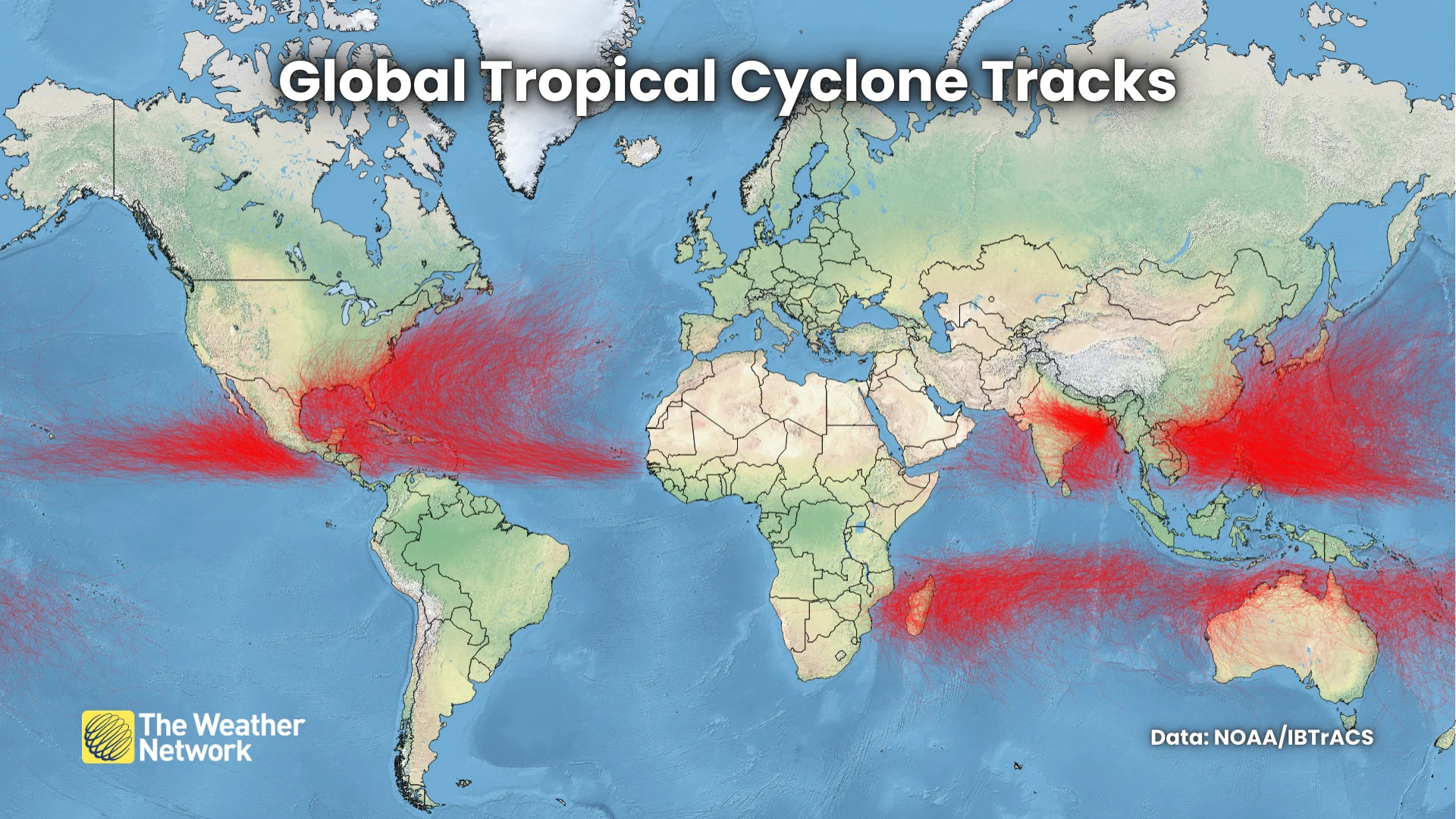
A tropical cyclone requires a cluster of thunderstorms, warm ocean waters, ample moisture, and minimal wind shear in order to develop and thrive.
Several basins are hostile to tropical cyclone development. We’ve never recorded one of these storms near British Columbia or Chile, for instance, and only a few tropical cyclones have managed to form in the southern Atlantic off the coast of Brazil.
And then there’s the Mediterranean Sea.
Medicanes are rare and sometimes destructive
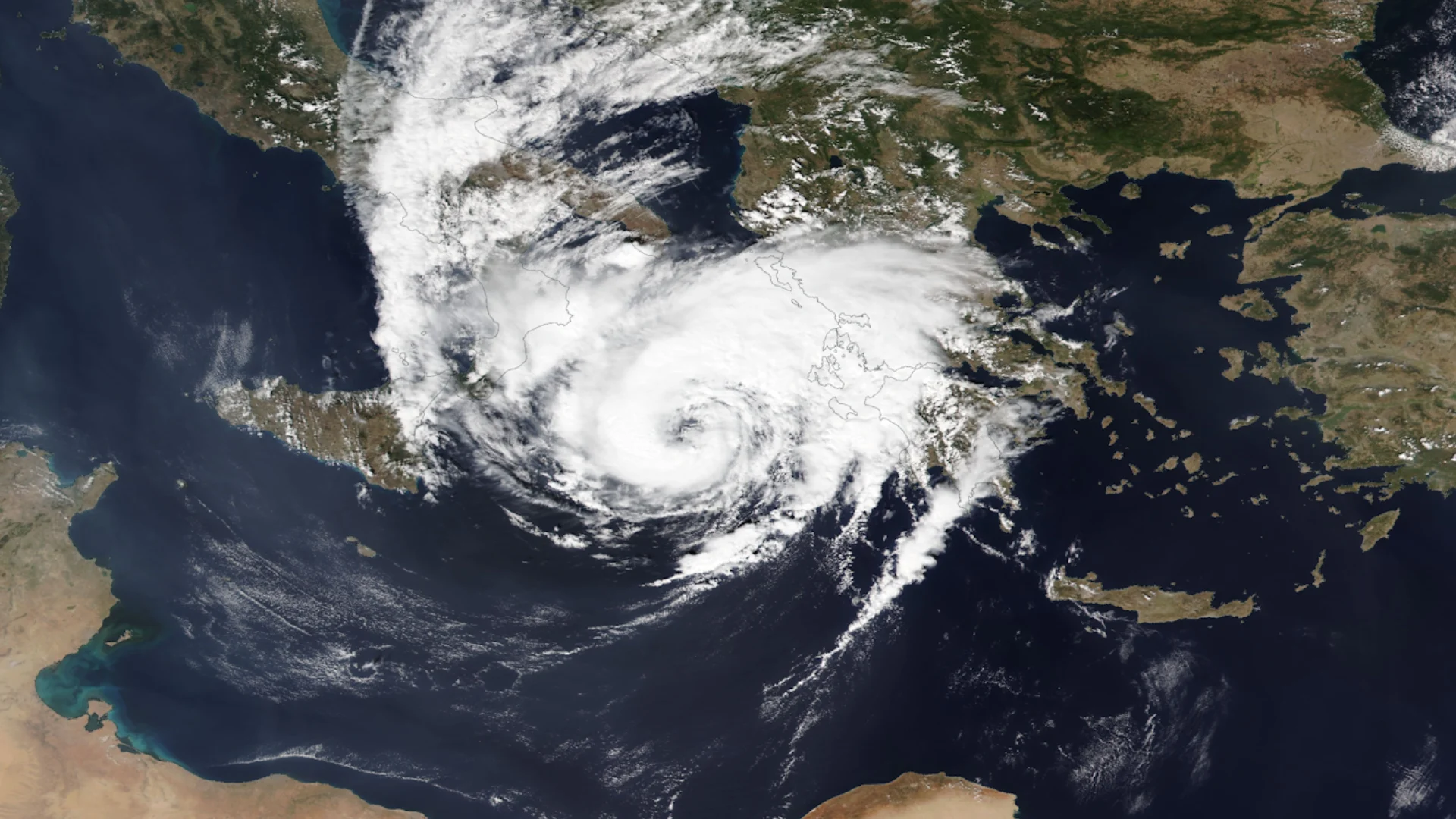
Meteorologists have noted several low-pressure systems in the eastern Mediterranean that had the same structure as full-fledged hurricanes, right down to high winds and a clear eye at the centre of the storm.
These systems closely resemble tropical cyclones even though they’re not of tropical origin. For all intents and purposes, they are Mediterranean hurricanes, or medicanes for short.

Medicane Ianos was the strongest such storm on record. Packing wind gusts as high as 195 km/h around an eye that measured 50 km in diameter, the storm caused extensive damage, flooding, and landslides when it slammed into Greece.
A village on the island of Cephalonia recorded 644.7 mm of rain in one day during Ianos, which reportedly ranks among the highest daily rainfall totals ever observed in Greece.

Three years later, another medicane dubbed Daniel formed in the southern Mediterranean and tracked toward the northern coast of Libya.
Daniel's heavy rains were the breaking point that led to the dam breach and subsequent floods that killed thousands of people in the city of Derna.
Experts propose an official definition for medicanes
Storms like Ianos and Daniel were definitely medicanes. But precise science doesn’t work on the concept of “we know it when we see it.” What exactly constitutes a medicane, anyway?
A recent study published in the Bulletin of the American Meteorological Society proposed a set definition to classify these storms in the future.

“A medicane is a mesoscale cyclone that develops over the Mediterranean Sea and displays tropical-like cyclone characteristics,” the study concluded.
The definition continues (in academic terms) to list those characteristics, including warm air at the heart of the storm, as well as an “eye-like feature” that resembles the eye and eyewall of true hurricanes.
Even if they’re not authentic tropical cyclones like we would see in the Atlantic or Pacific, these Mediterranean medicanes are still exceptionally dangerous to communities in harm’s way.
Header image courtesy of NASA.