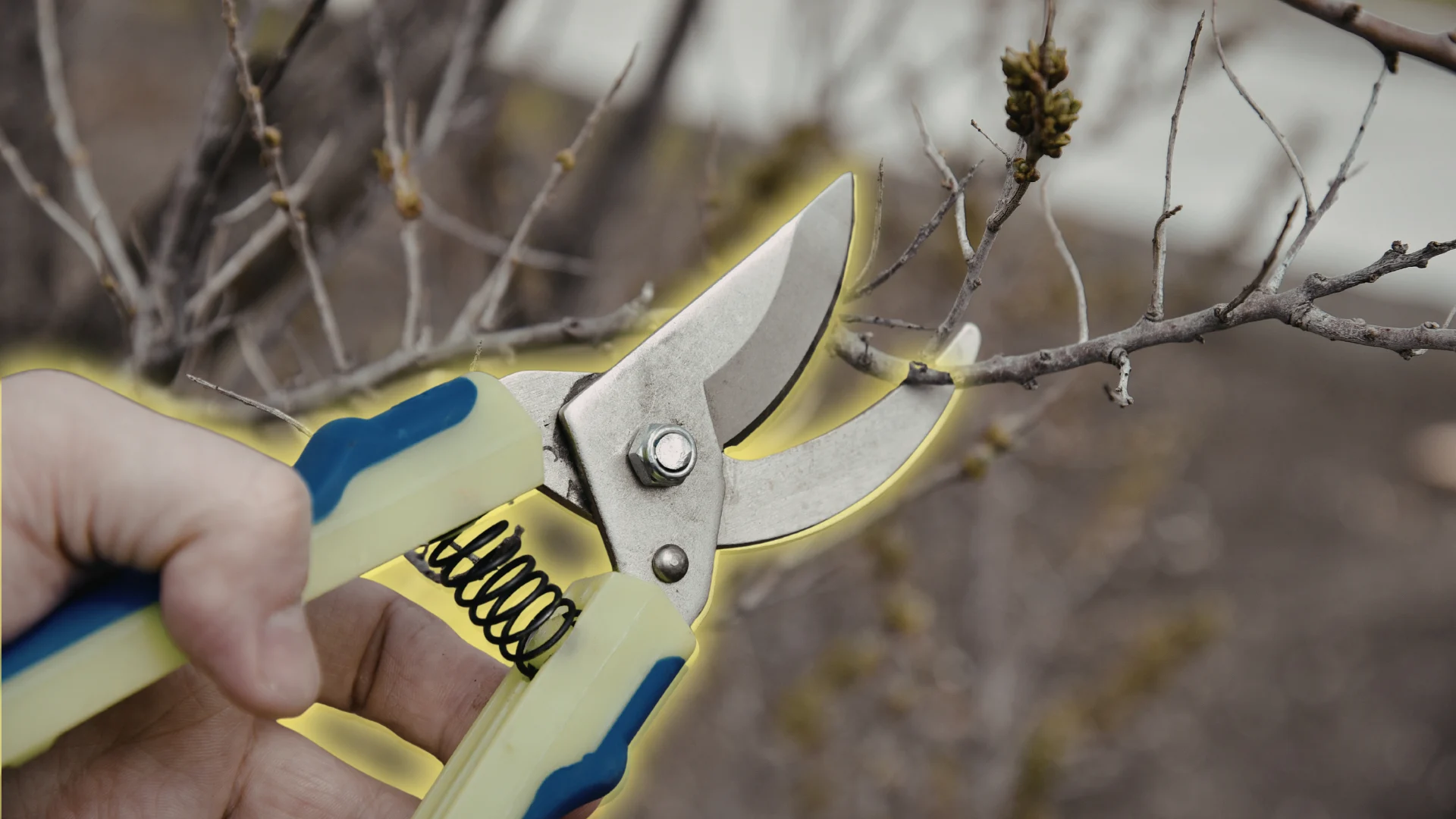
Here are the best (and worst) times to prune your trees this year

Want to keep your trees looking their best? Here's a guide on what to prune and when.
While it would be convenient to do all of your seasonal pruning at once, did you know that each season offers very different benefits for different tree species?
Pruning your trees at the right time of year will help them flourish and avoid exposure to deadly diseases. Here's an easy guide to help you decide when to break out the garden shears and pruners!
SEE ALSO: Assessing your trees' health after winter
Spring: Sensitive and temperamental trees
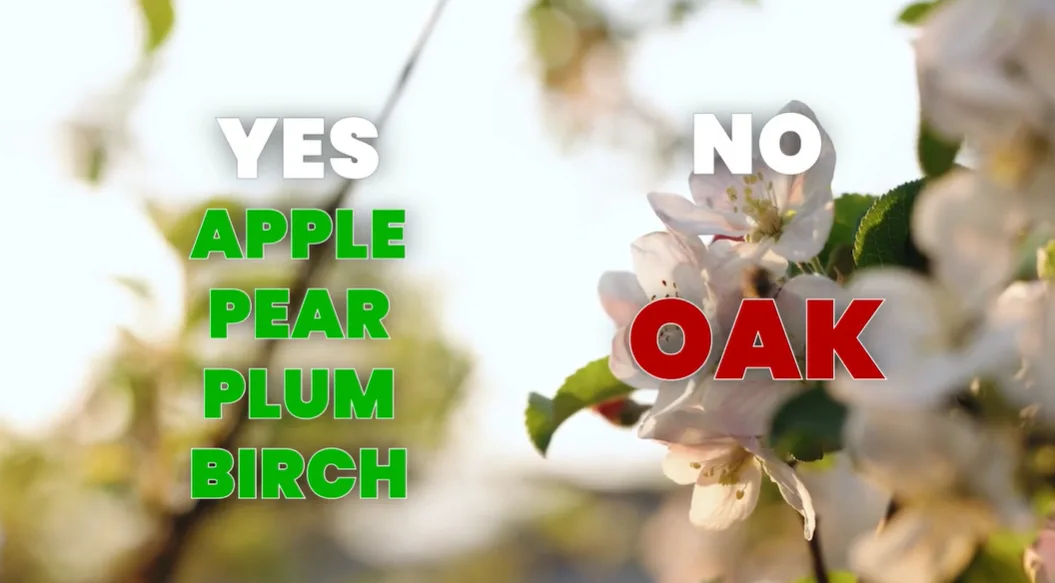
All fruit trees, including apple, pear, and plum, should be pruned in the spring as they can be sensitive and don't like to be pruned in the summer heat.
Other temperamental trees, such as birch, can also be cut during the spring season. This is because if you cut in the spring, the tree's sap and stored sugars are on their way up from the roots and can effectively seal the wound as they rise.
"I often advise if you have a sensitive, mature tree that you’re worried about the health of, spring is a great time to see a faster recovery," says Kyle McLoughlin, Forest Health Supervisor for the City of Burlington.
But if you have an oak tree you're looking to prune in the spring, put those shears down. Between April and October is when the insect that carries sudden oak wilt disease is active and on the lookout for any entry points. If you prune your oak trees during this time, the bug could get in and infect the tree, killing it in as little as six weeks.
Summer: Large and fast-growing trees
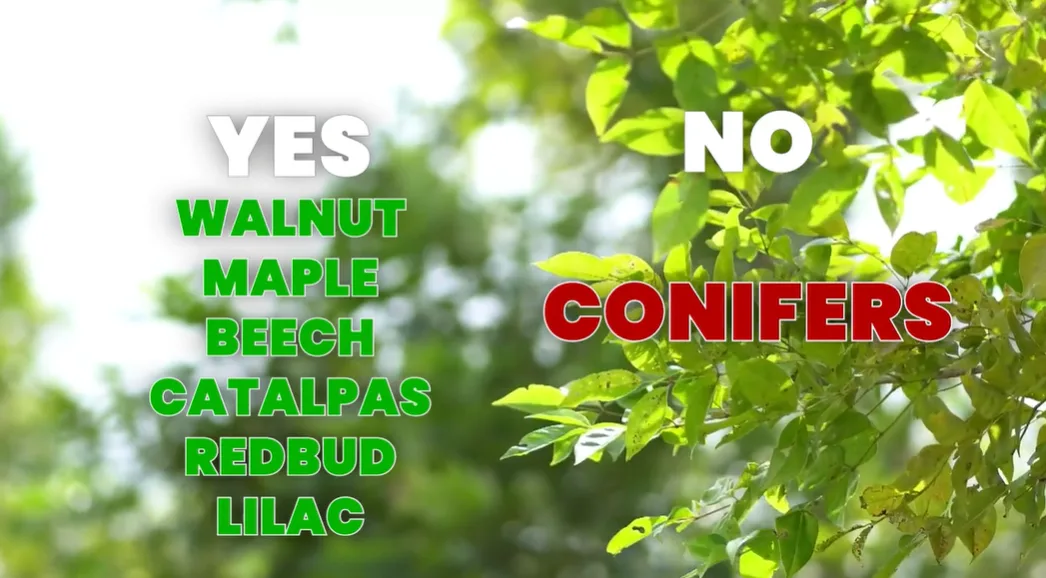
The general rule of thumb for summer pruning is to think of it as a time to tame large and quick growing trees before they become a headache, such as walnuts, silver maples, beech trees, catalpas, and redbuds.
Shrubs such as lilacs can also be pruned in the summer, but you only have a four-week window after the shrub flowers to do so.
"Once those lilacs flower you have a four-week window–that's it–to prune them and not damage the flower-producing potential for the following season," McLoughlin warns.
On the 'no' list for summer pruning are any conifers, as they can be prone to drying out in the summer heat.
DON'T MISS: Why a 'tree's job isn't done' after a storm brings it down
Fall: Cedars and hedges

Fall is the season to tread carefully as it can introduce an added threat: pests and fungi.
"This is the one drawback of fall: it's a time when a lot of pathogenic fungi are active, because [pathogenic fungi] don't like 30-degree weather; it's too hot for them," McLoughlin advises. "But 5 degrees Celsius up to 15-17 degrees? That's the best time of year to have those pathogenic fungi growing."
McLoughlin also advises against avoid pruning sugary trees like maples and beeches in the fall, as they may become exposed to diseases, including beech bark disease.
Fall is, however, a great season to clean up your hardier cedars and hedges.
Winter: Conifers and anything else

All of the conifers, including Norway spruce and white pine, can be pruned back in the winter as they 'wake up' before deciduous trees do, giving them more time to heal and bounce back in the spring.
Winter is also a great time to prune your trees if you're going for an aesthetic look.
"I love winter pruning because you really get to see the whole skeleton of the tree–you really get to see what the whole structure looks like," McLoughlin says. "There’s not a single species I would say not to prune in the winter. It's a good time to do it."
Copyedited by Anika Beaudry, a digital journalist at The Weather Network.
Thumbnail image created using elements from Canva Pro.