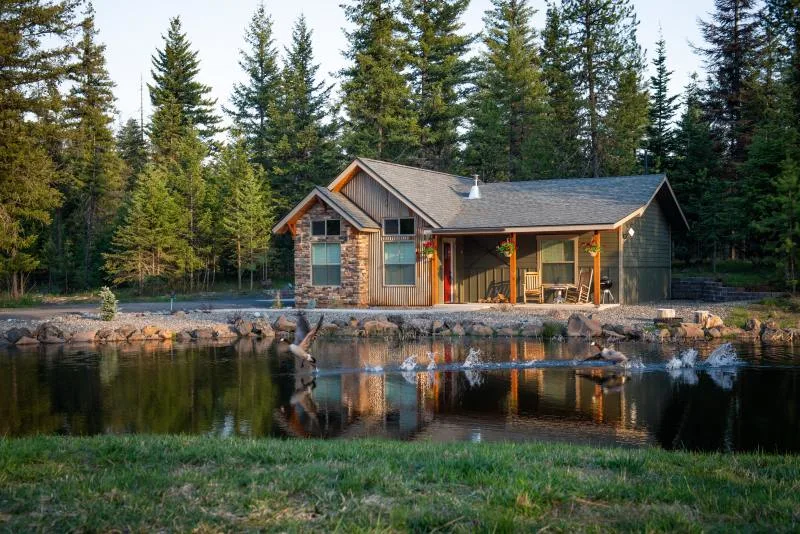
So long, summer: A final checklist for properly closing your cottage

The Weather Network's Mark Robinson covers everything you need to know about properly closing your cottage for the winter, including plumbing, power, food storage, and exterior maintenance to protect your investment.
Now with summer firmly in the rearview mirror, despite what the forecast says for early this week in southern Ontario, it is a good time to do a final inspection before shutting down your cottage until the springtime.
If you don't give it a thorough check before closing up, things such as frozen pipes, pest infestations, and ice damage can lead to costly repairs come springtime.
First thing: Drain the sinks.
"Drain everything because water expands as it freezes, and if you don't get all the water out, you could have ruptured lines. Add antifreeze to toilets and drains to ensure any remaining water doesn't freeze. Pull the lines that go out into the lake, and ensure they're drained and stored in a safe place, well away from the lake water," said Mark Robinson, Storm Hunter and meteorologist at The Weather Network.

(Pexels)
Once the power is off, empty your water heater.
Next, you can properly manage your electricity.
According to Robinson, you have two choices: Turn off the power completely or leave it on. But, make sure to unplug appliances and entertainment systems.
"If you're not cutting power at the main breaker, identify any circuits or systems that need to remain energized. If you're leaving heat on during the winter, turn your thermostat down to about 10 degrees. If you're not, turn it off completely. Close the main breaker if you're shutting power off for the winter," said Robinson.
(CANVA)
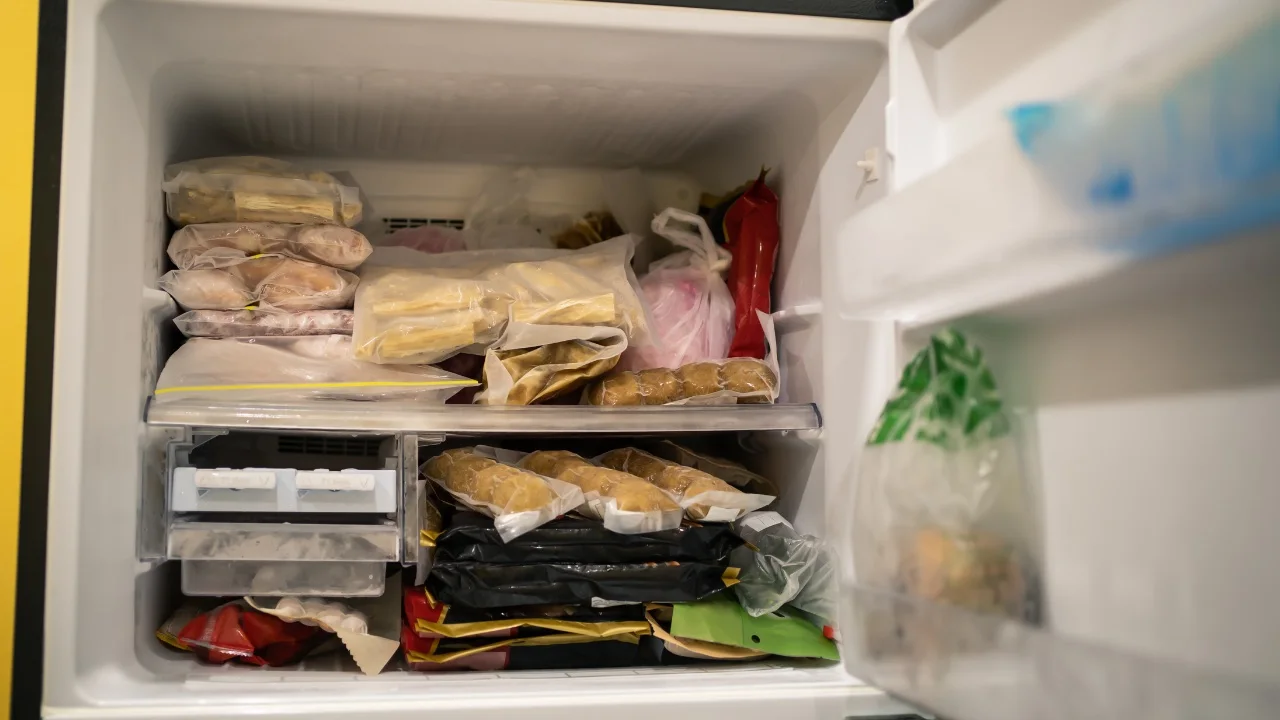
Don't forget to clean out fridges and freezers. Pull the plug and leave the doors propped open to prevent mould and odours from building up, he said.
As well, properly cover any exterior holes that mice and other pests might use to enter your cottage.
Now, to the exterior.

*(Getty IMages)
"Make sure your eavestroughs and downspouts are clear to avoid ice damming. Store all outdoor gear. Prune tree branches away from power lines and the cottage roof, as snow and ice load can snap them. And finally, lock up and document the property conditions before you leave," said Robinson.
Follow along with this step-by-step guide to ensure your seasonal home is safe and secure until spring.
Thumbnail courtesy of Stephen Wheeler/Unsplash.