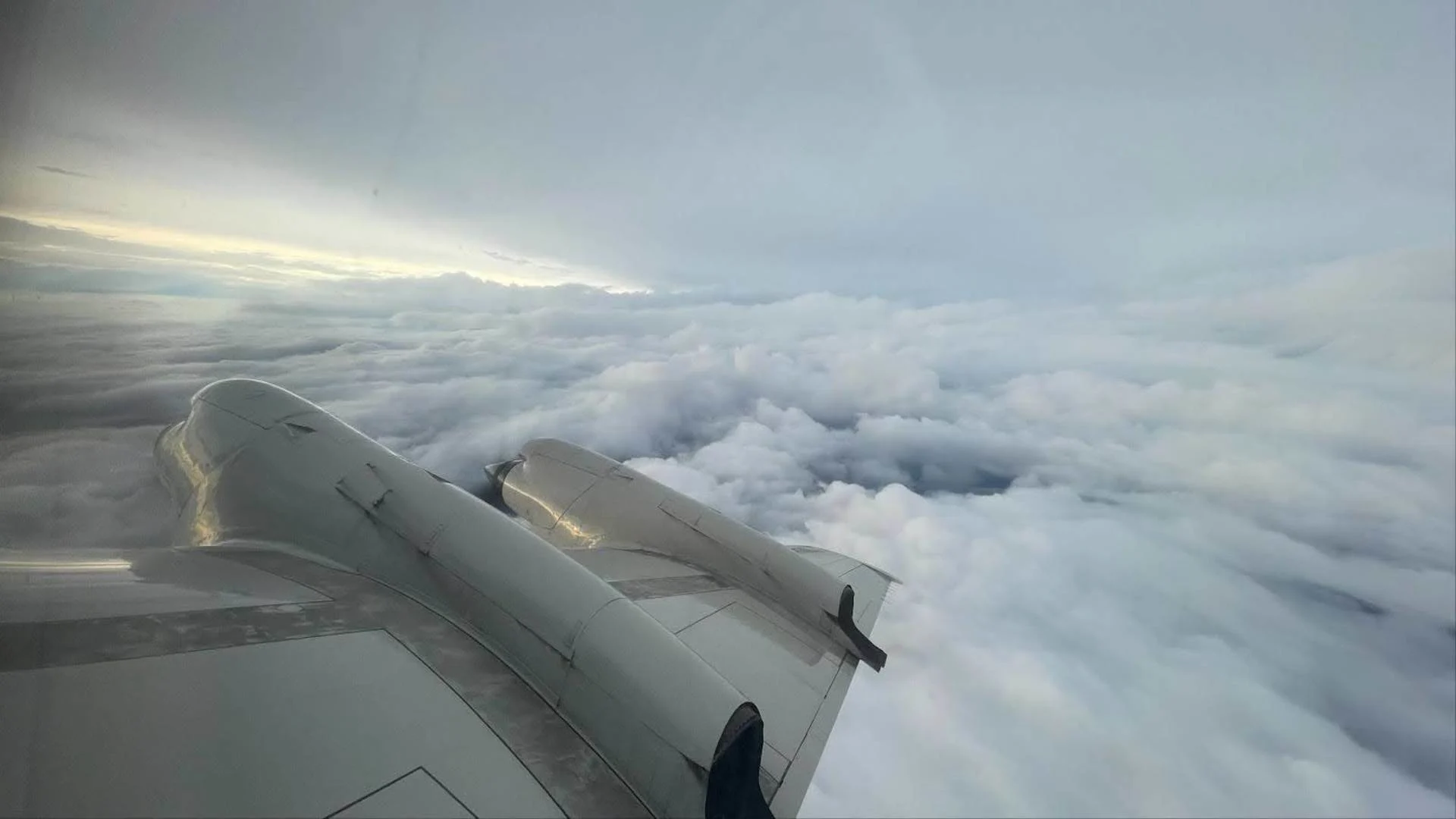
Hunting hurricanes with airplanes began on a whim in July 1943

Joe Duckworth flew into the eye of a storm on a whim and change the course of weather forecasting forever
Teams of scientists flying into the heart of hurricanes seems like a routine task today. But such an endeavour was a grand display of bravery back in the early days of aviation.
Experts weren’t always sure it was possible to fly into a hurricane. Ferocious winds powerful enough to tear apart entire towns might easily destroy an airplane, after all.
The theory was put to the test on a whim on the afternoon of July 27, 1943, by a flight training instructor with the U.S. Air Force.
DON’T MISS: The incredible history and tools of the Hurricane Hunters
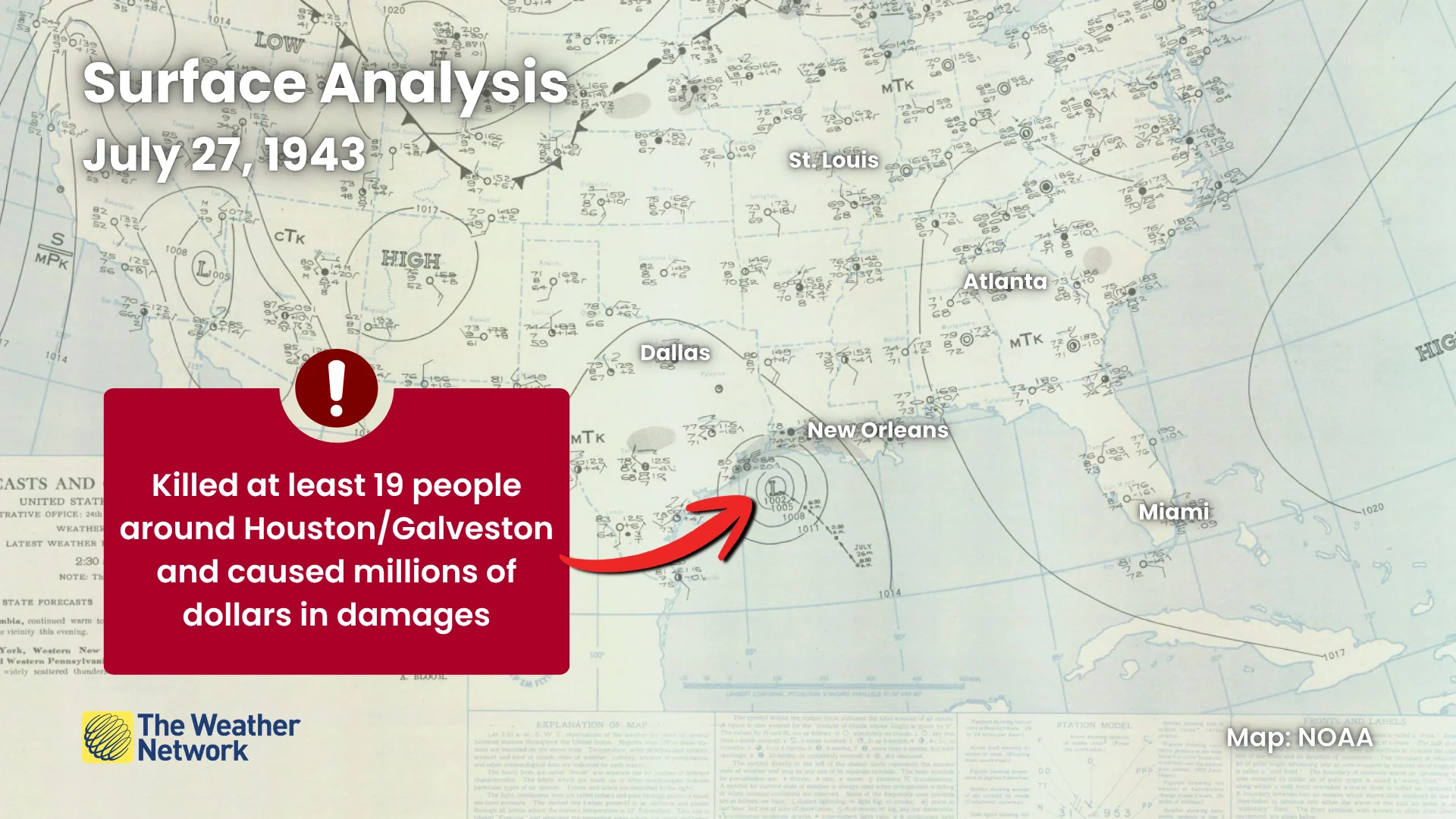
A strong hurricane formed over the soupy waters of the Gulf of Mexico near the end of July 1943. The unnamed storm intensified as it moved west toward the Texas coast.
Possibly due to a bet made over drinks, Lieutenant Colonel Joe Duckworth hopped into his airplane and flew east directly into the storm, navigating to the eye of the storm before safely returning home to tell the tale of his achievement.
Duckworth was well-versed in instrument flight, according to NOAA’s account of the monumental achievement. This skill allows aviators to manage speed, altitude, and navigation in low to zero visibility conditions--perfect for flying into the eye of a raging hurricane.
The pilot’s superiors were reportedly none too happy about the makeshift adventure. But in an era before satellites and weather radar, many officials immediately recognized the utility of flying into a storm to gather vital information.
Just over a year later, the U.S. Air Force launched a squadron dedicated to monitoring the weather, with flying into hurricanes their main mission.
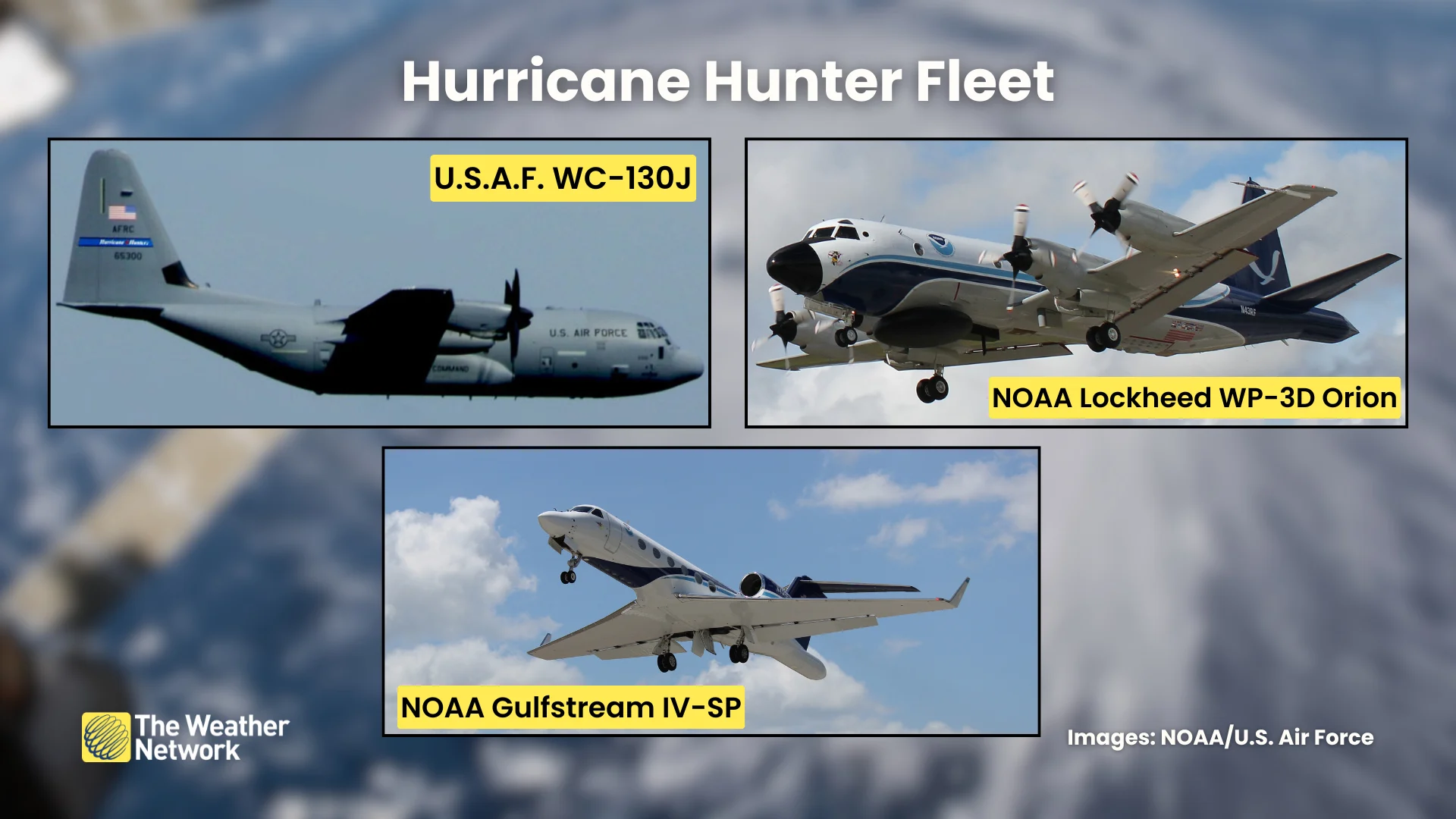
Today, the U.S. Air Force Reserve’s 53rd Weather Reconnaissance Squadron and teams from NOAA work together to fly as many as 13 aircraft into and around tropical cyclones to collect important data to help predict these dangerous storms.
Header image courtesy of NOAA.