'Spectacularly dangerous:' Beware of this silent killer following a snowstorm

Here are some tips to stay healthy, warm, and safe.
Parts of the Prairies and Newfoundland are bracing for heavy snow, with upwards of 40 cm and 50 cm accumulation expected, respectively.
That's in additon to what's already on the ground -- creating the potential for even larger snow piles
Preventing post-storm carbon monoxide poisoning
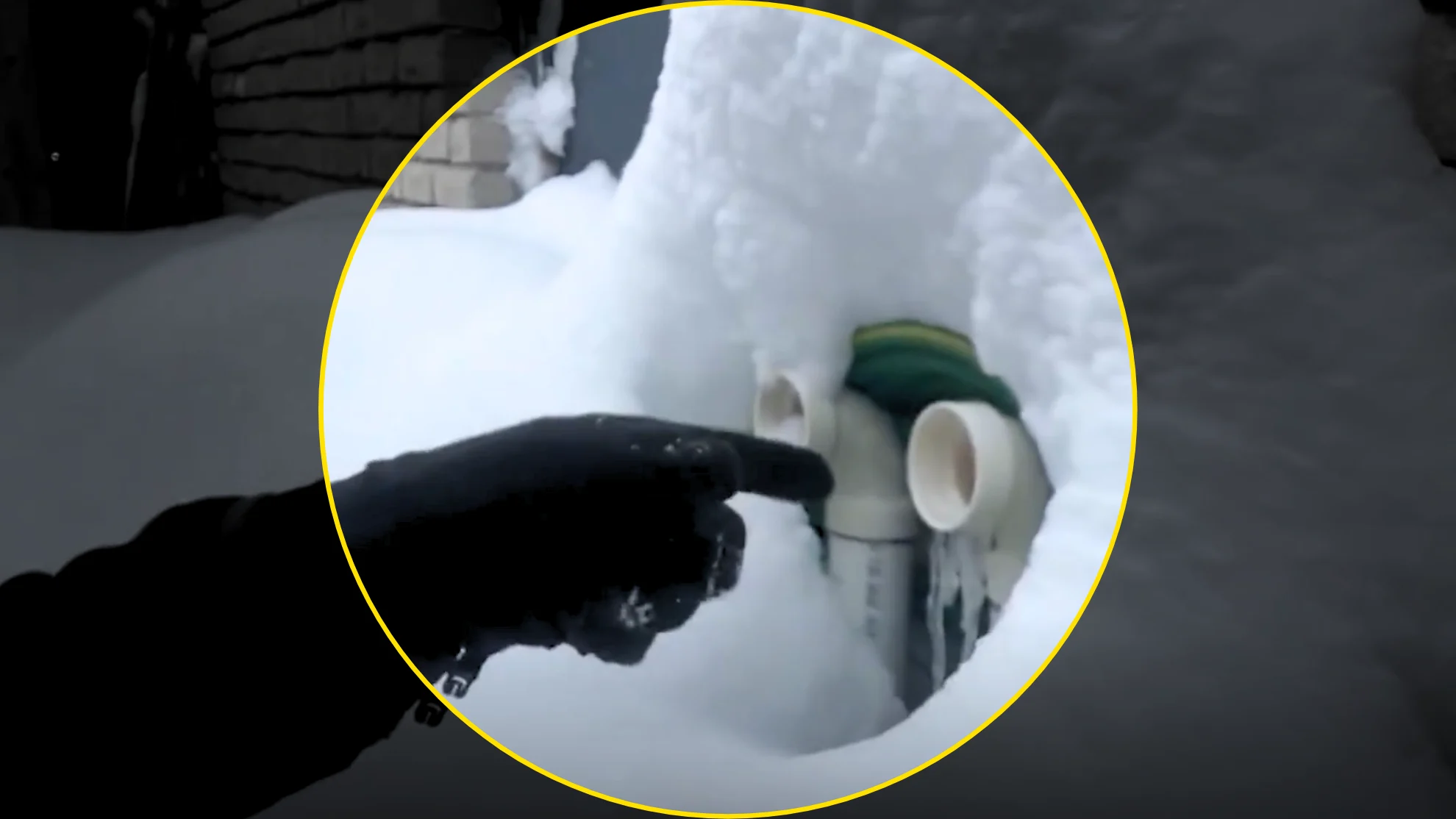
On January 26, one day after southern Ontario was hit with a major snowstorm, Weather Network storm hunter Mark Robinson was surveying the scene in Guelph, Ontario, and noticed something that’s relatively unusual southern Ontario, but more common in the Maritimes, which comparatively sees more snow, on average.
“This isn’t something we usually have to deal with, but we’ve had a lot of snow,” Robinson said.
“On the exterior of your home, the outputs for the hot water heater in the furnace can get covered by drifting snow. If they do, you can get carbon monoxide into the house, and if you haven't got a carbon monoxide detector, you may not in any way detect that until it's too late.”
Robinson recommends getting outside after a major storm to survey your home and make sure the outlets are free of snow.
If they remained covered for a prolonged period, it could create a situation that he called “spectacularly dangerous.”
“So get out there and make sure, if nothing else, that these outputs are all uncovered,” he said.
What is carbon monoxide poisoning?
Carbon monoxide (CO) is a colourless, odourless, and tasteless gas that is a byproduct of burning gas, wood, propane, charcoal, or other fuels, the Government of Canada says.
When too much builds up in the bloodstream, it can cause serious tissue damage or death.
Here are some prevention tips from The Canadian Red Cross:
Keep your heating system, water heater, and any other gas, oil, or coal-burning appliances regularly serviced by a licensed technician.
Install a CO detector in your home and check the batteries twice a year.
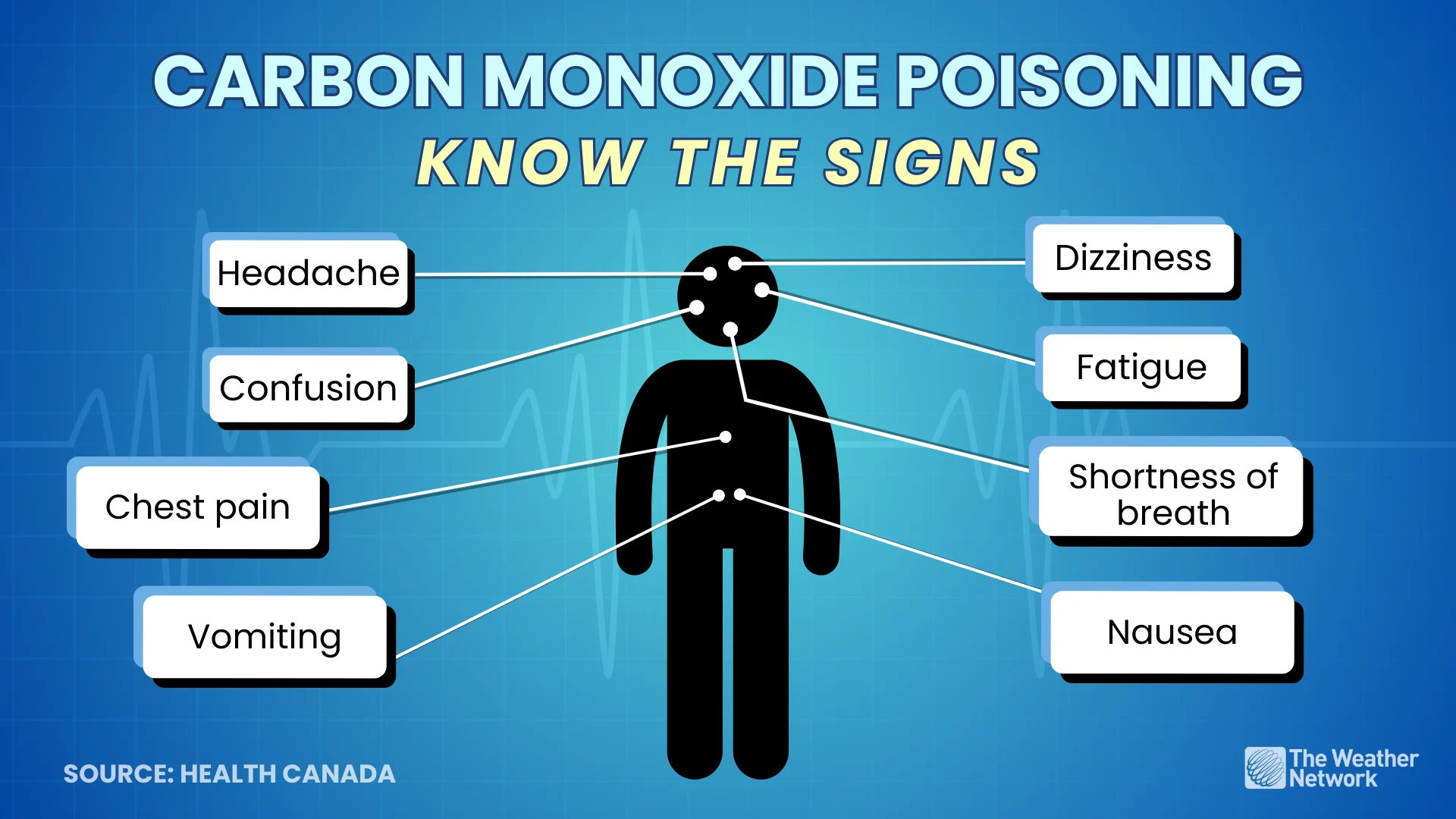
Seek prompt medical attention if you suspect CO poisoning. Symptoms include: dizziness, lightheadedness, and nausea.
Do not run a vehicle inside an attached garage. In a detached garage, only do so when the door is open.
Never heat your home with a gas oven.
Never use generators, charcoal grills, camp stoves, or other gasoline or charcoal-burning devices indoors unless they are directly beside an open window, door, or vent.
Other post-snowstorm safety considerations
Avoid downed power lines.
Experts recommend staying at least 10 metres away from any downed or hanging power lines, as they may still be live. Downed power lines can be reported by calling emergency services.
Dress for the weather conditions.
Even thin layers of ice can be slippery. If heading outdoors, wear boots or shoes with good traction, and dress in warm layers to protect against the bitter cold.
Be aware of your surroundings.
Already-weakened tree branches can snap under the pressure of snow and ice buildup. This risk can be elevated when high winds are present.
Don't over-exert yourself.
Use salt or sand to improve traction on your property. If shoveling or removing ice, take your time and avoid over-exerting yourself to prevent back and heart strain.
Inspect your home.
Cautiously check your home for any damages caused by ice or falling tree branches.
Avoid unnecessary travel.
Roads can be slippery, and blowing snow and snow piles can obstruct your view of oncoming people or traffic. If you have to head out, try to stick to roads that have been cleared and treated, and keep an emergency kit in your vehicle.