Winter is coming: Essential tips for safe driving in Canadian weather


With winter approaching, driving on snow and ice brings its challenges. Learn how to prepare your vehicle, what steps to take if you get stuck, and the must-have items for your winter emergency kit. Stay safe on the roads this season
Winter in Canada can create challenging driving conditions, and preparation is key to handling unexpected weather events. From snowsqualls to icy roads, having the right supplies and tools in your car can make the difference between an inconvenient delay, and a dangerous situation.
This winter could bring unique conditions unlike those seen in the past, with the strongest El Niño on record expected to create unpredictable weather patterns across Canada.
DON'T MISS: Winter snowfall across Canada may fall victim to El Niño
One winter, I found myself driving into a fierce snowsquall in Fort Erie, where strong winds over Lake Erie turned moisture into a full-blown blizzard. Stranded without knowing when it would end, I learned the importance of having a solid plan and essential winter gear to turn a dangerous situation into a story worth telling later.
Avoid getting caught unprepared this season by equipping your vehicle with these essential winter tools:
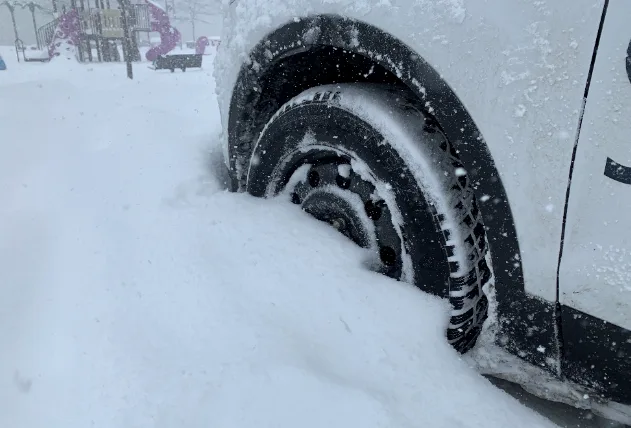
Winter tires: Essential for grip on snowy or icy roads. Book an early appointment to get them installed before the first snowfall.
Cold-weather gear: Keep gloves, a spare jacket, and insulated boots in your vehicle for warmth during unexpected delays.
Ice scraper and snow brush: Clear your windows and mirrors for safe driving visibility.
Blanket: A thick blanket—or even a winter sleeping bag for longer trips—helps you stay warm if you're stuck.
Shovel: Compact and effective for digging out from snowbanks.
Traction aids: Keep a bag of kitty litter or wooden planks to create grip under your tires.
Jumper cables: Cold temperatures can impact batteries. They’re a must-have.
Visibility tools: Use flashlights and reflective gear to stay visible, especially at night.
Food and water: Pack non-perishable snacks and water bottles to stay hydrated and fed. Keep bottles inside your home and grab them before leaving, as freezing temperatures can cause them to burst.
Charger and battery packs for your phone: Stay connected and ensure you can call for help in any situation.
Vehicle fluids: Top off your windshield washer fluid (winter-grade) and avoid letting your gas tank get below ¼ full to prevent freezing.
Cash: In case of power outages, physical cash can come in handy at local stores or for emergency meals.
Even if the likelihood of being stranded overnight seems remote, an unexpected storm or accident can happen anywhere, on city roads or remote highways.
RELATED: Surviving a violent snow squall and the lessons I learned
The extra effort today ensures safety and comfort, preventing emergencies from becoming catastrophic.