
From parmesan to parme’gone’: Climate change is putting cheese in danger

Increased temperatures, heat waves, and droughts are no ‘gouda’ for future cheese production quality, according to researchers.
Canada is one of the top cheese-producing countries in the world. In 2024, Statistics Canada estimated that Canadians consumed about 15.24 kilograms of cheese per person. But whether you’re an expert cheese monger or a casual enjoyer, your cheese future supply may face a meltdown thanks to climate change.
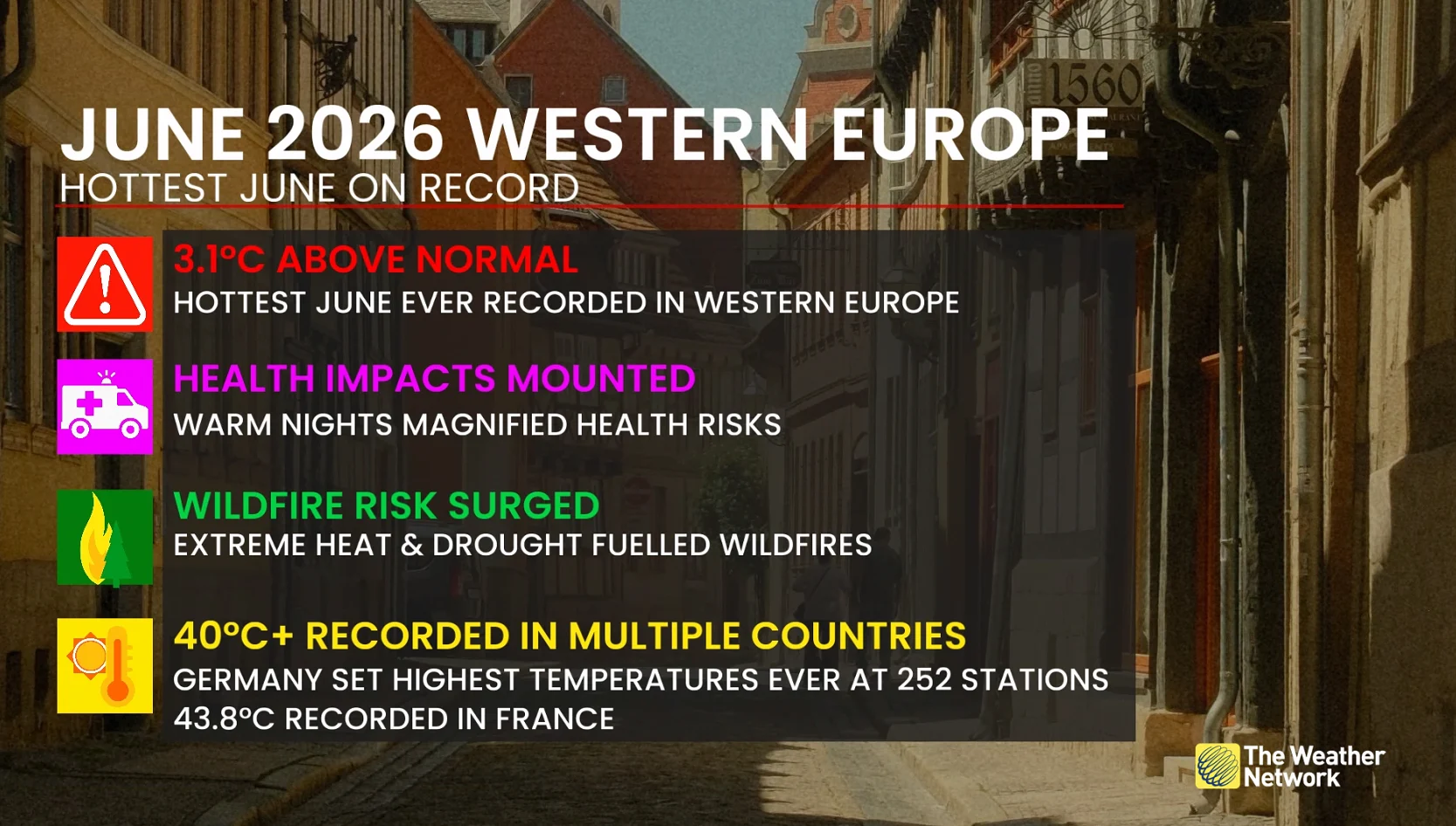
Extreme events like droughts and heat waves are becoming more frequent around the world, such as the 2021 heat wave in British Columbia or, more recently, the June 2026 heat wave across Western Europe.
SEE ALSO: More global temperature records likely as planet continues to heat up
Droughts and heat waves impact more than just human health—they also impact animals, including the cows whose milk we use for quality cheese. But when those cows are under stress or have less access to grass for grazing on, their milk quality suffers, which, in turn, impacts cheese quality.
France's National Research Institute for Agriculture, Food and Environment (INRAE) published a press release on May 5, 2025, about research that was conducted to learn how the ratio of fresh grass to corn-based diets for dairy cows affects the quality of Cantal-type cheeses.
“Cows fed on grazed grass produced smoother, yellower, more aromatic cheeses, while cows fed little to no grass produce whiter, firmer cheeses with milder flavours,” the release stated.
Italian heatwaves threaten global parmesan cheese supply
Production of true, authentic Parmigiano Reggiano cheese is only allowed in five Italian provinces, but the increased frequency and duration of extreme heat events due to climate change is already putting a strain on the country’s cheesemakers.
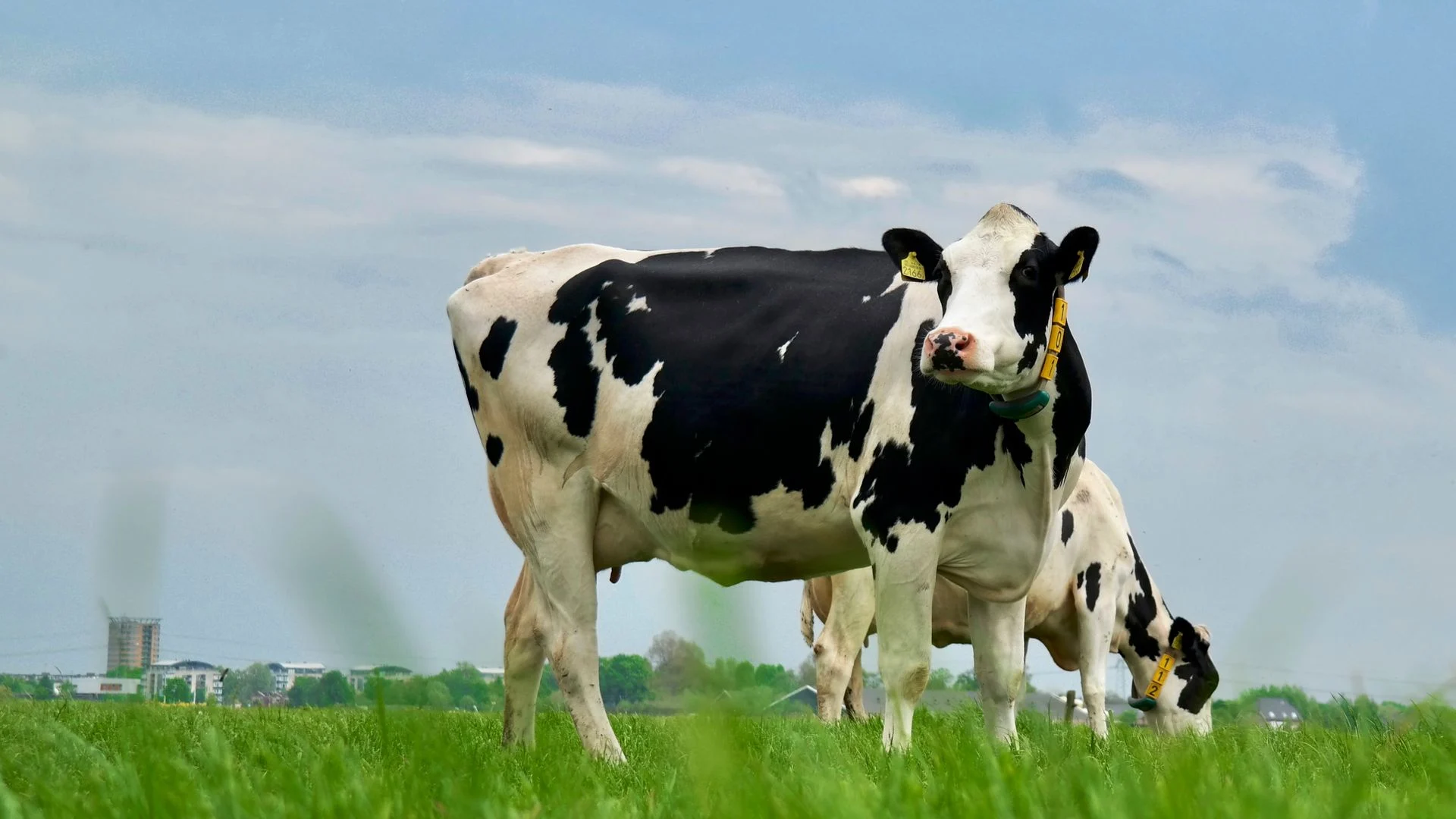
Dairy cows produce less milk and at poorer quality when under heat stress. (Matthias Zomer/Pexels)
Not only does the heat negatively impact the cows and milk production, but cheesemakers are also being forced to spend a significant amount of money on increased power costs to keep their aging warehouses at the appropriate temperature, according to Reuters.
DON'T MISS: 'It feels like summer is different': Study says cities seeing more summer days
2026 has been a record-hot summer across Italy, with 40-degree heat persisting for days to weeks. During this time, some cheesemakers reportedly saw their energy consumption skyrocket by 30 per cent as they fought to keep their warehouses cool enough for the hundreds of thousands of cheese wheels inside, which need to age at around 18°C for at least one year.
In 2024, Italy contributed to about 16 per cent, or about 9,516 metric tonnes, of Canada’s total cheese imports.
With files from Reuters.
Thumbnail image created using file photos from Canva Pro.
