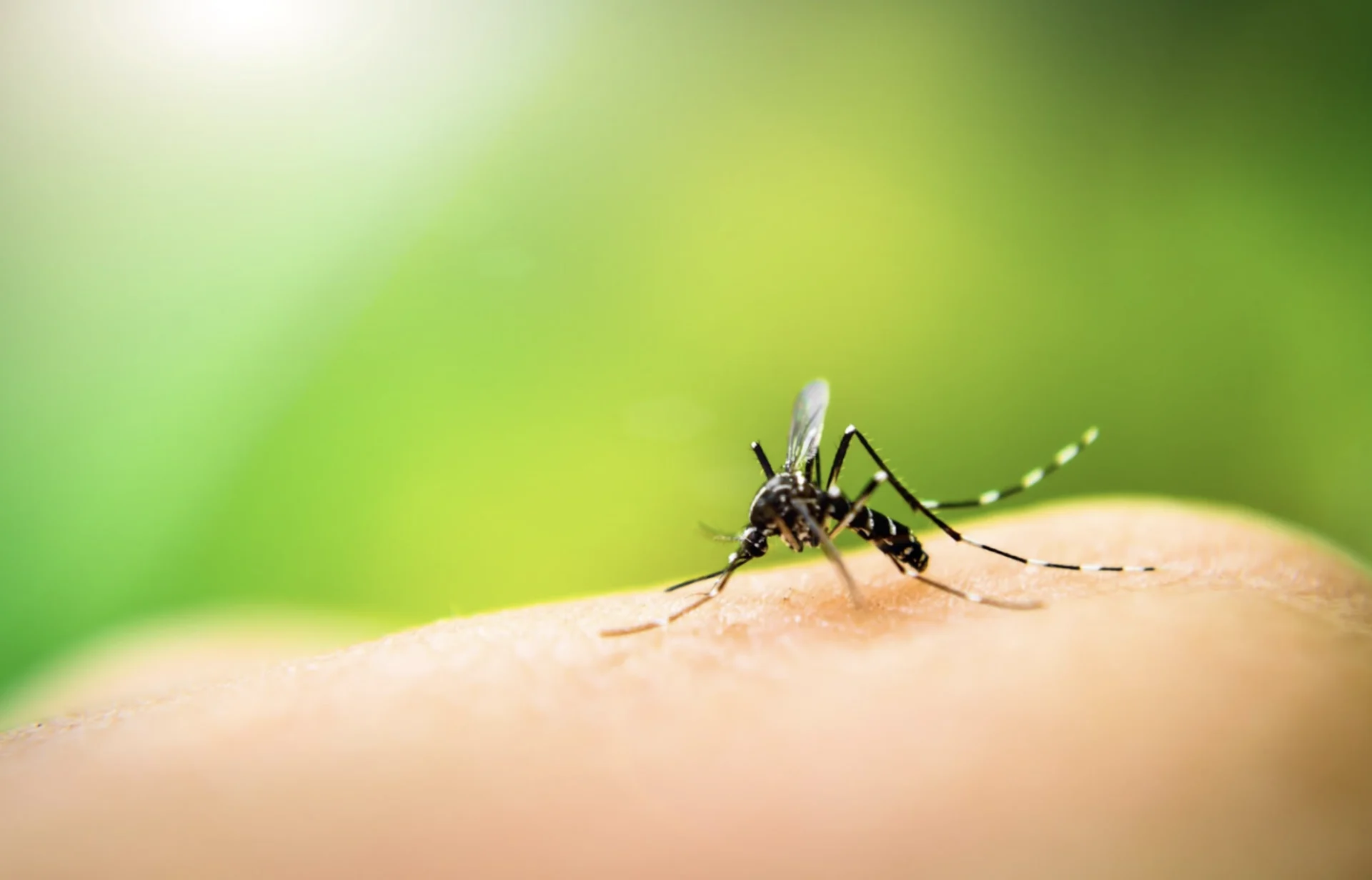
Seeing more mosquitoes than normal this time of year? You're not alone

The end of August typically marks the slowing down of mosquito season, but in Ottawa, many people are still hearing the insects' pesky buzz.
"It's definitely gotten more noticeable in the last two or three weeks," said Stephanie Benoit, who was recently out walking her dogs in Conroy Pit in the city's Greenbelt.
"I got the bug spray out again for the season."
David Clement, who was also walking the trail, said he's been trying to avoid mosquito-prone areas this summer.
"If it's been humid or rainy, they're all around us," he said. "We've been going to other parks just for that reason alone."
Weather to blame

(CBC)
Experts say the mosquito boom is largely thanks to the particularly wet weather.
The region saw record rainfall this summer, and with that rain came lots of standing floodwater, where mosquitoes thrive.
"There are some species that have a couple of cycles throughout the summer. And when it's constantly wet, well, it gives them the conditions to continually breed," said Marc Avramov, a Carleton University PhD candidate.
Avramov, who specializes in the disease ecology of mosquito-borne viruses in the Ottawa region, said consistent temperatures and stagnant water have made mosquitoes "almost permanent for the entire season."

Stephanie Benoit says she's definitely noticed a higher-than-usual number of mosquitoes in late summer this year. (Nathan Fung/CBC News)
But it's not just Ottawa residents swatting away the insects late into the summer.
"In the more southern health units, mosquitoes are still going really strong. They have not eased up," said Fiona Hunter, a medical and veterinary entomology professor at Brock University.
The mosquito species that are thriving rather than tapering off are those that breed in floodwaters, Hunter said.
"When people in southern parts of the province are noticing that the mosquitoes seem to be bad still — even though it's the end of the season — I think what they're actually seeing is these little floodwater mosquitoes," she said.
"And because they bite during the day, they're more noticeable."
Insect repellent in demand
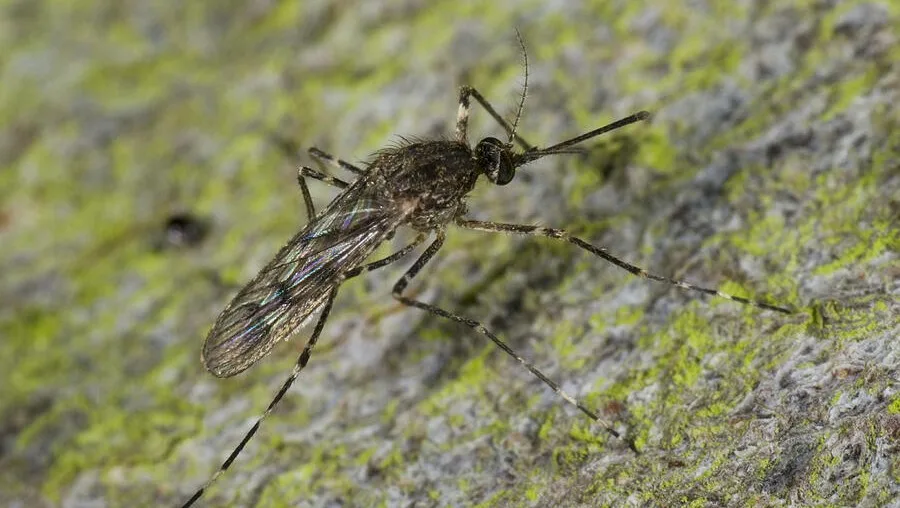
An increase in mosquitoes comes with an increase in demand for insect repellents.
(Getty Images/Coopder1)
"In a typical year, demand for insect repellent, head nets and bug jackets falls off in every week after the August long weekend," wrote Bob Laughton, owner of Ottawa outdoor sports retailer Bushtukah, in a statement.
"This year, demand has showed no signs of slowing down."
Laughton added that Bushtukah recently placed its largest September order for bug product since the business started back in 1999.
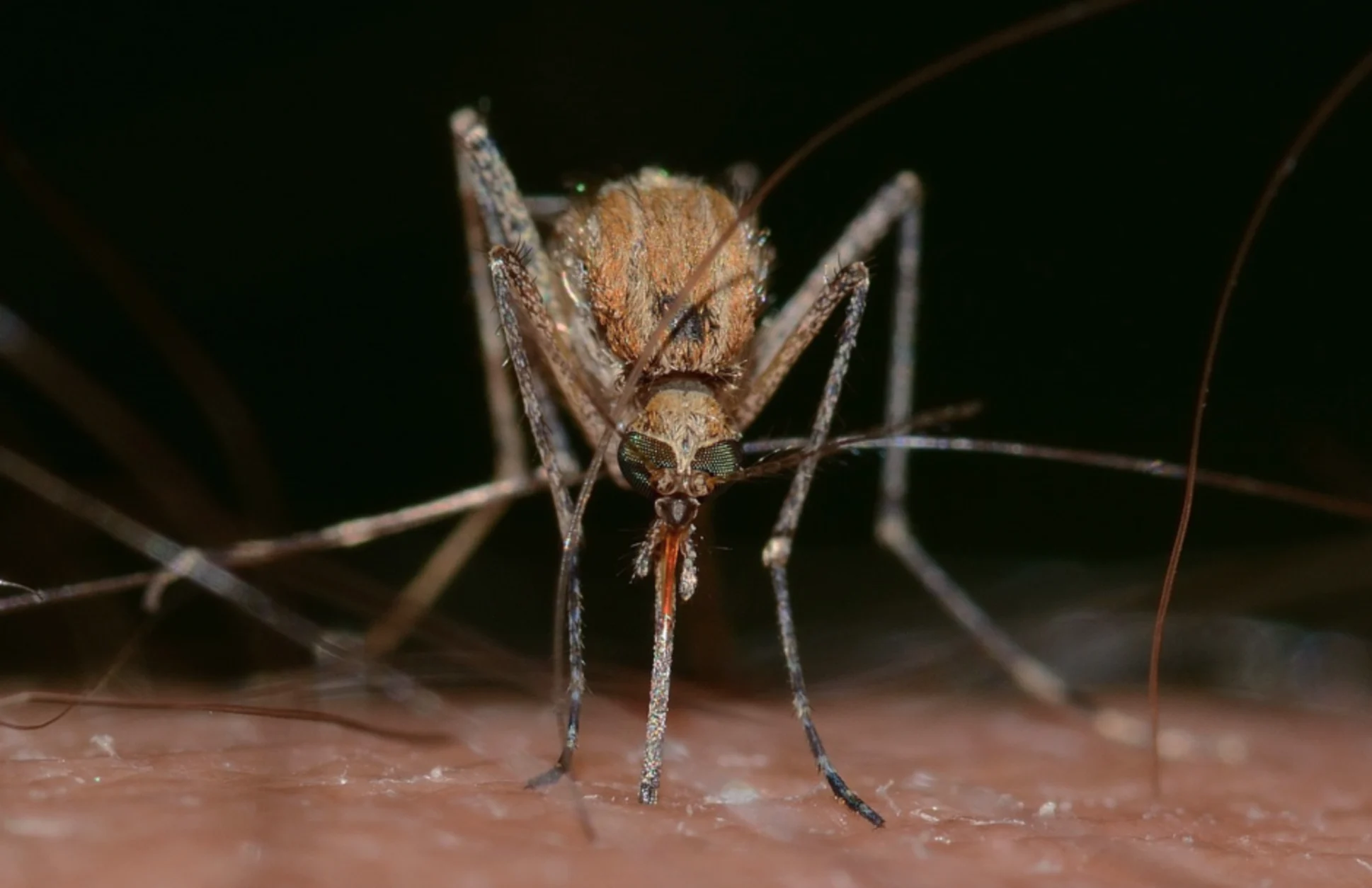
Demand for insect repellent has gone up this year across all of Bushtukah's stores, a company spokesperson told CBC by email. From the start of March until the end of July, they sold roughly 25 per cent more insect repellent products than during the same period in 2025.
(rancok35/Pixabay)
Mountain Equipment Company Ottawa also reported a roughly 10 per cent increase in sales over last year, according to an email from general manager Thomas Meisenheimer.
Meisenheimer said that increase isn't just driven by demand for repellant but also for clothing, including bug shirts, pants, jackets and netting to place over hats.
Luckily, as temperatures begin to drop, so will the number of mosquitoes, Avramov said.
"Once you start seeing a lot of variation in day and night temperatures, that's also when we're going to start seeing their population slowing down a little bit," he said.
Thumbnail courtesy of Getty Images.
The story was originally written by Jenna Legge and published for CBC News. It contains files from Nathan Fung.