Here's your complete guide to seeing the northern lights this winter

The Weather Network's Nathan Coleman shares his tips on the best time to go, travel costs, and what to expect in Canada's North.
Getting to see the northern lights with the naked eye is a quintessentially Canadian experience, but it’s one many Canadians never get the chance to have.
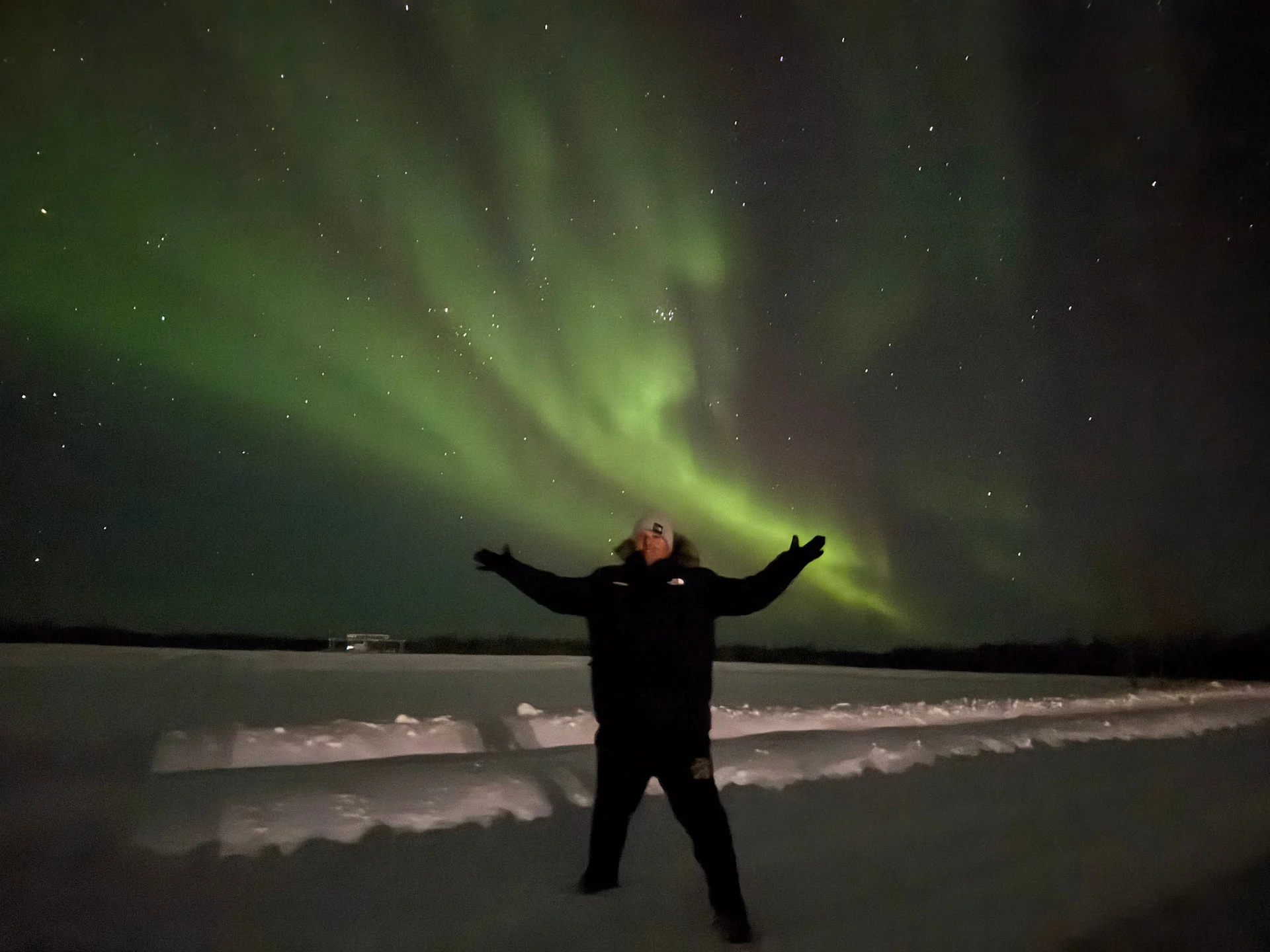
Thankfully, I had that opportunity last winter, so I wanted to share my experience looking up; seeing those lights was nothing like I’d seen before.
RELATED: We may have found one of the best places to catch the northern lights!
Where’s the best place to see the northern lights?
If you want the highest geomagnetic activity, Yellowknife in the Northwest Territories is right underneath the auroral oval. It’s a concentrated area for the most intense northern lights activity anywhere on Earth.
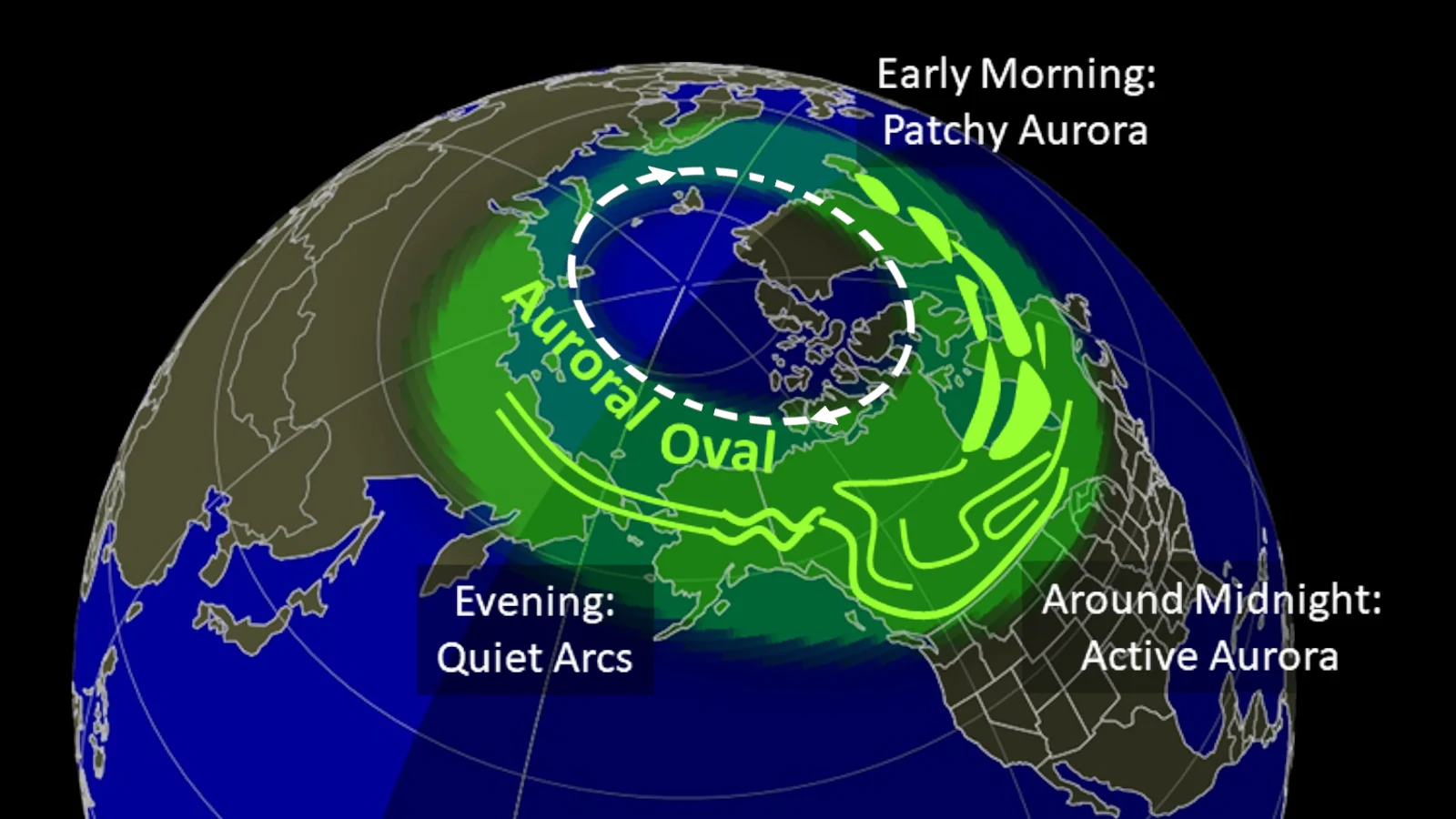
(NOAA SWPC)
When is the best time to go and how expensive is it to get there?
The winter aurora season goes from Dec. 1 to mid-April.
Looking at return flights from Halifax to Yellowknife this January, they’re in the $500-600 CAD range.
For stays, you can find accommodations around $200 CAD per night--about the same you’d pay for a room in Halifax, NS.
DON'T MISS: Earth shows off in first image released by brand-new weather satellite
Not bad for an otherworldly, once-in-a-lifetime experience, in my opinion.
I’m lucky enough to have a friend who lives in Hay River, so he took me out.
Now, you will need to bundle up. -31 feels like -41 out here. You can see in the video above that I’ve even got those little icicles on my eyelids.

Could clouds ruin my viewing chances?
The dry subarctic climate has minimal cloud cover, being away from the ocean, so if you stay three to four nights, viewing the northern lights is pretty much a guarantee during the aurora season
It’s a must-do experience, so get up to the North!
Copyedited by Anika Beaudry, a digital journalist at The Weather Network.