Joshua Kutryk's launch to the ISS highlights Canada's role in space exploration

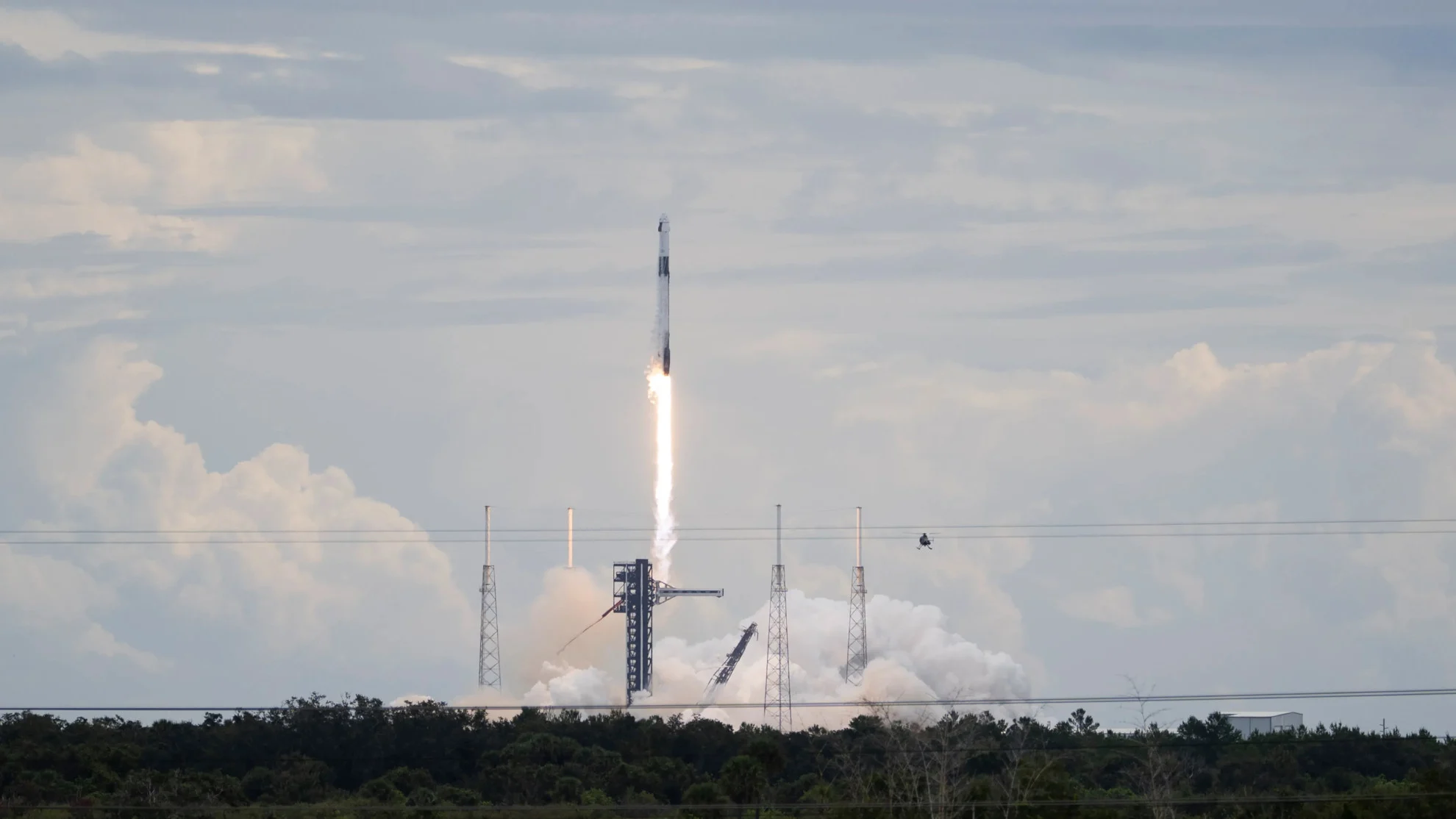
Canadian Joshua Kutryk is in space, on his way to the International Space Station (ISS) after a flawless launch from Cape Canaveral, Fla.
The SpaceX Falcon 9 rocket blasted off at 11:10 a.m., right on time.
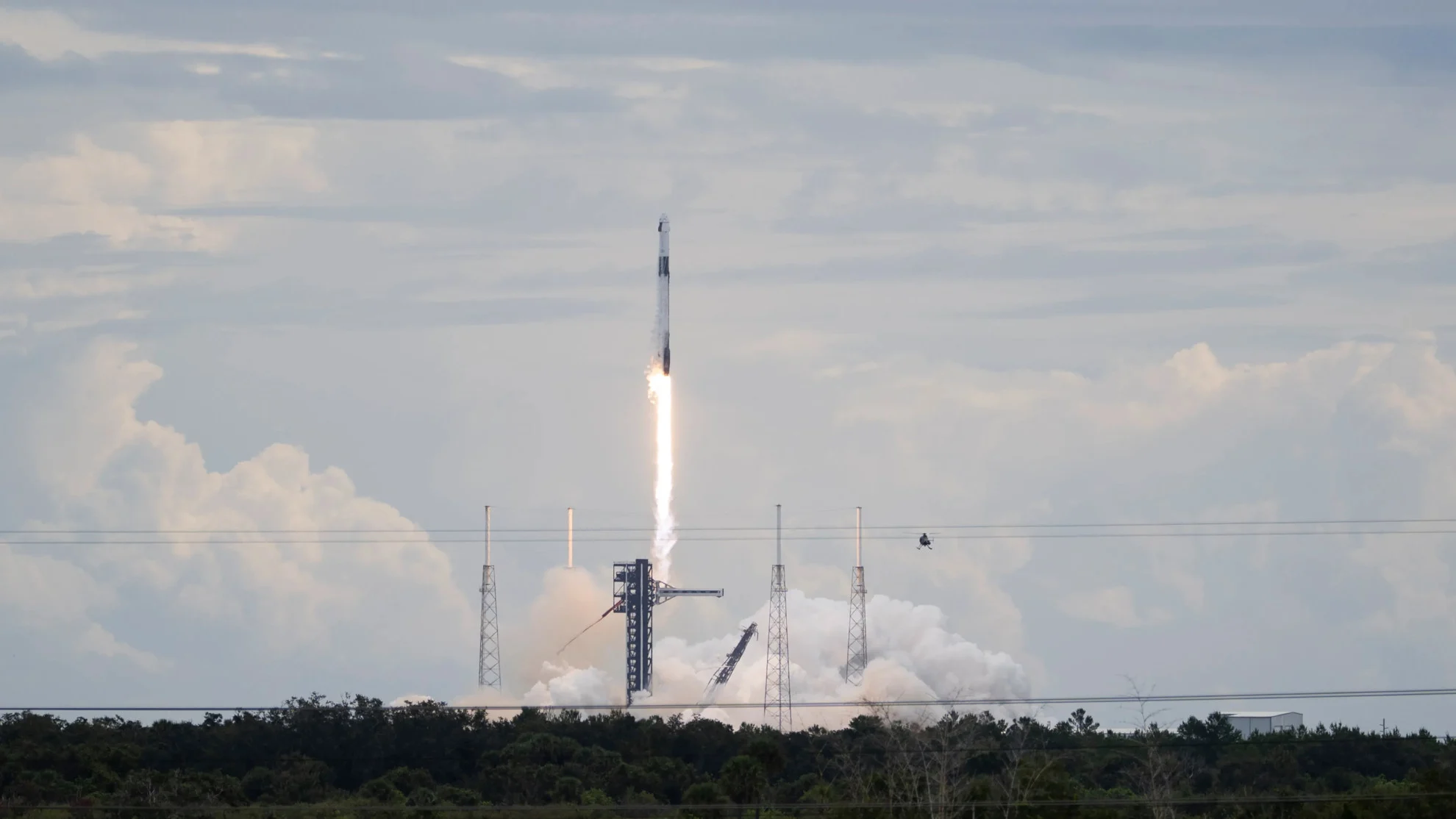
NASA's SpaceX Crew-13 mission lifts off from Launch Complex 40 at Kennedy Space Center in Florida on Oct. 1, 2026, atop a Falcon 9 rocket booster. (NASA/Joel Kowsky)
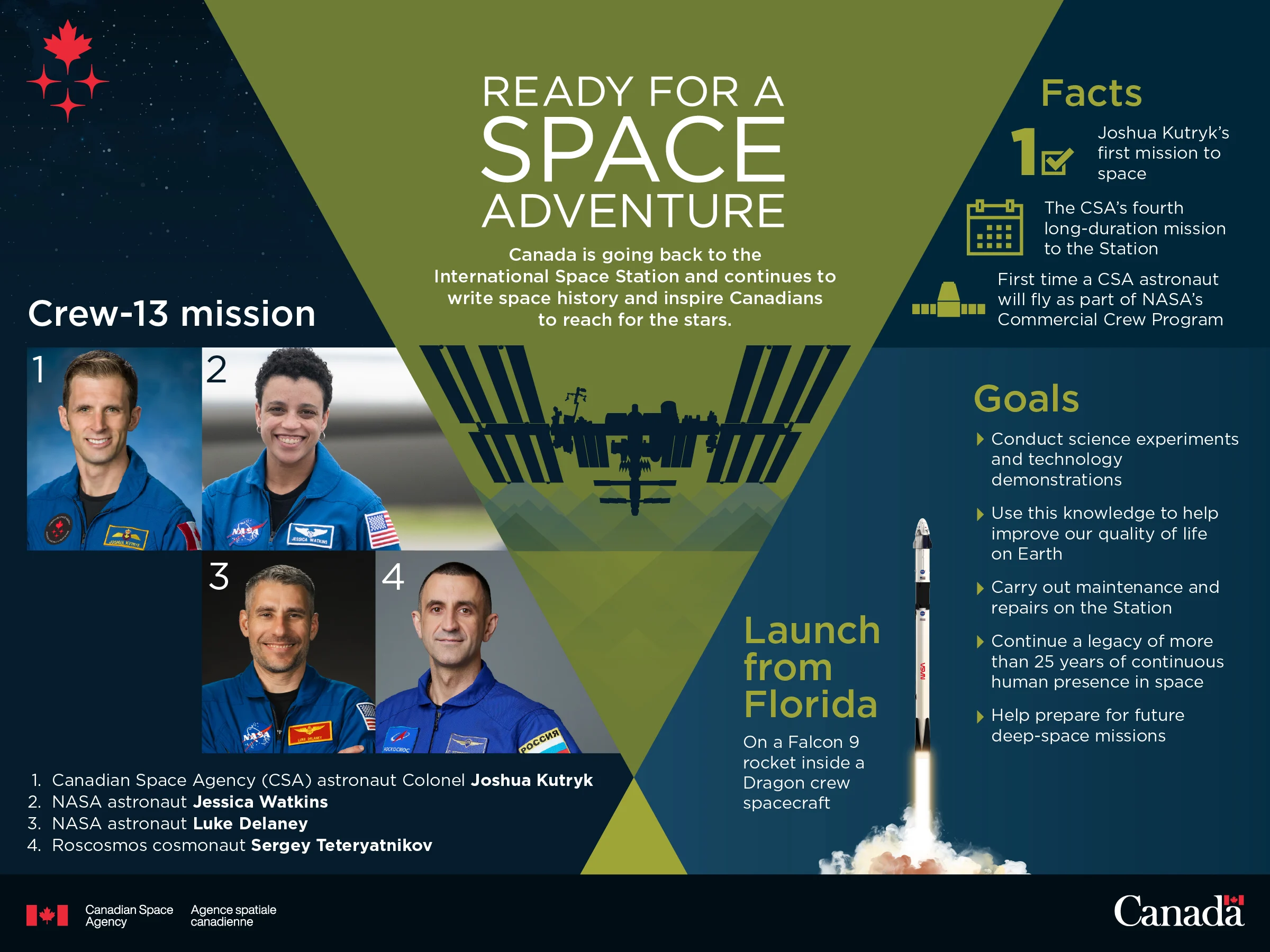
He and his crewmates — NASA astronauts Jessica Watkins and Luke Delaney, and Russian cosmonaut Sergey Teteryatnikov — are slated to dock with the ISS after roughly eight hours in space.
The launch is Kutryk's first, and he felt it.
"I'm in space. I don't really believe it yet. It does feel weird, though," he said. "It's good to be here."
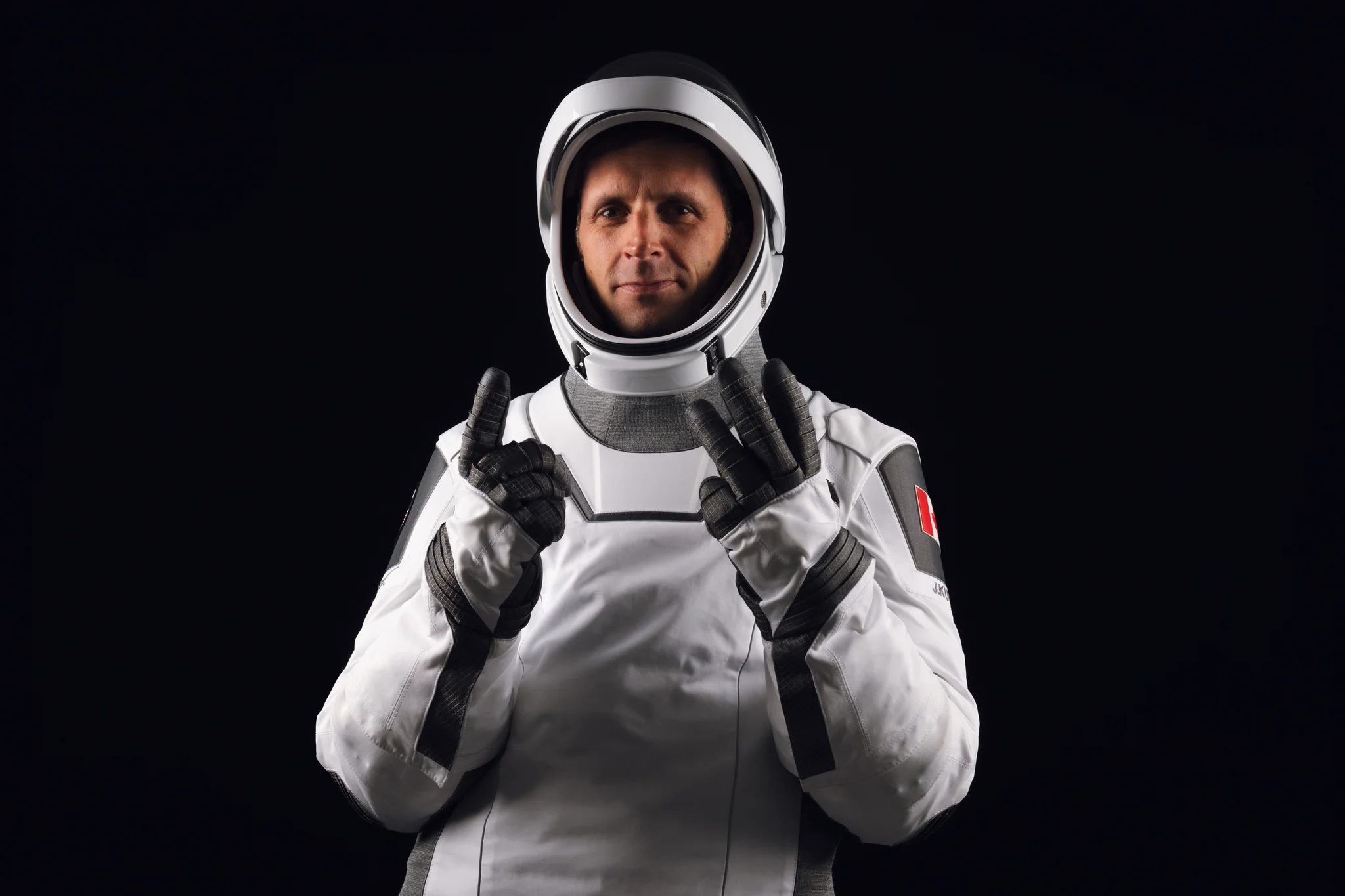
Joshua Kutryk, dressed in his white SpaceX spacesuit and helmet, holds up his hands displaying support for the Crew 13 mission. (SpaceX via Canadian Space Agency)
DON'T MISS: Halley's Comet meteors flash across the sky in October
This is a historic moment for Canada. It's the first time two Canadians have launched into space in such a short time. Jeremy Hansen launched as part of NASA's Artemis II mission for a trip around the moon only six months ago.
Minister of Industry Mélanie Joly was at the NASA press site shortly after the launch and noted the important role Canada has played and can play in space.
(Canadian Space Agency)
"It's been a big year, a big year for Canada," she said.
"And now we look forward to seeing how Josh Kutryk's work will continue to obviously participate in international efforts about space exploration and space co-operation, but also to inspire so many young Canadians and older ones that are very much fascinated by space."
Watch below: NASA's SpaceX Crew-13 Mission Launches to the International Space Station
Canada's continuing role
Undoubtedly, there have been tensions between Canada and the U.S., but not when it comes to space.
While it's true that NASA has cancelled Lunar Gateway, which would have included Canadarm3, it wasn't due to any political strain between our two countries. Rather, it was a shift in mission priorities brought forth by NASA administrator Jared Isaacman.
Earlier this year, Isaacman announced that NASA was adding a mission to the Artemis Program, which aims to return humans to the lunar surface by 2028. And that resulted in the cancellation of the lunar space station and a focus on constructing a lunar base.
Asked by the CBC at the post-launch news conference about Canada's collaboration with NASA in its future plans, Isaacman hinted that Canada could play a vital role in the future of a lunar base.
"Canada has immense expertise in robotics, clearly, as demonstrated from the Canadarm performance from shuttle to the ISS," he said.
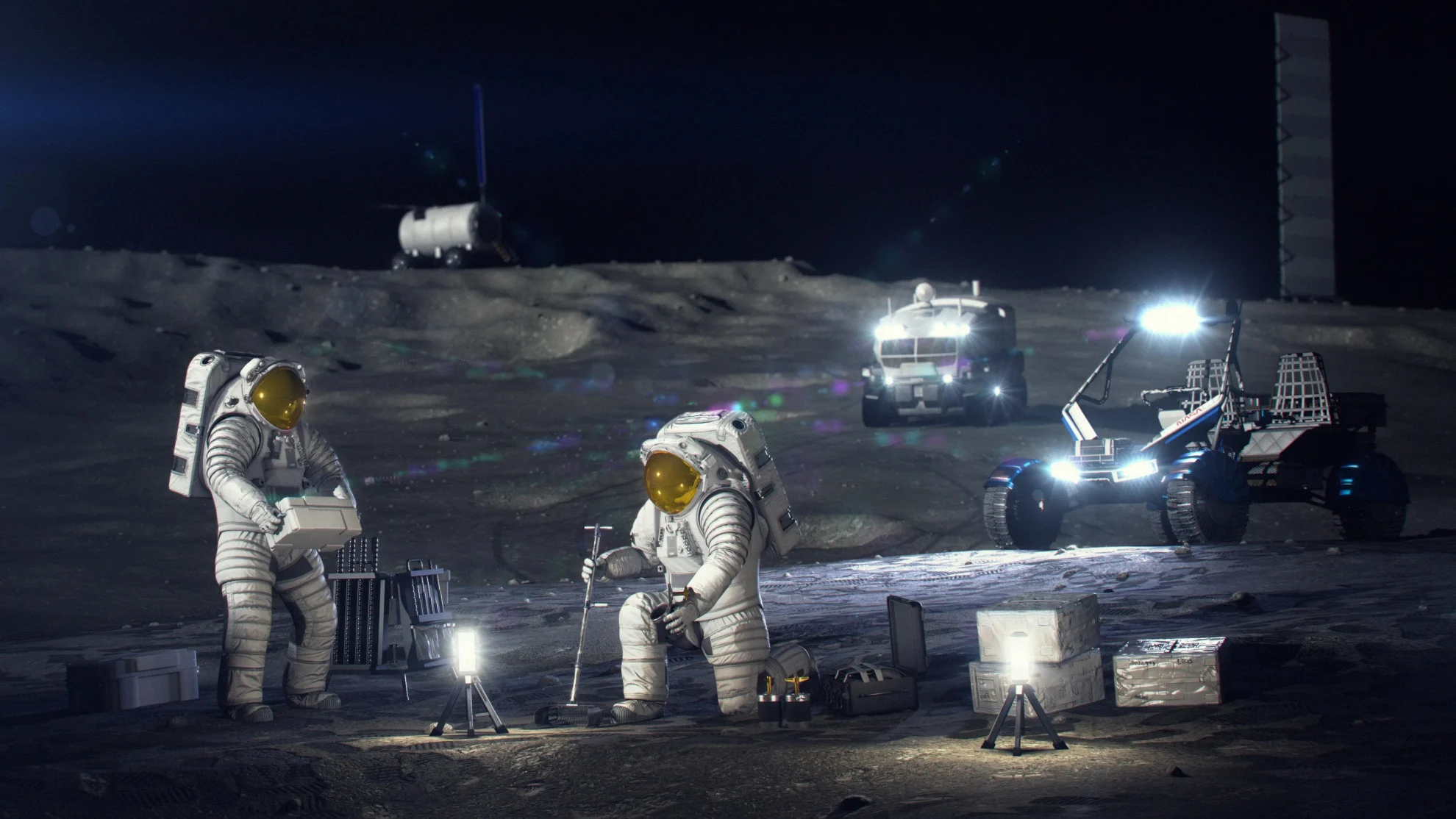
An artist's conception drawing depicts astronauts on the lunar surface, prepping a location near the Moon's south pole for the establishment of a permanent base. (NASA)
MORE FROM SPACE: NASA satellite spots a new once-in-a-century crater on the Moon
"As the base becomes operational, it should almost be the last choice to send somebody outside in that very demanding and dangerous environment. And you're going to need extensive robotic capabilities … and we're going to be counting on it as part of the architecture."
It's not only robotics that Canada is looking to contribute, but also lunar rovers.
In December 2025, the CSA awarded four Canadian organizations with contracts totalling $3.2 million for the development of a lunar utility rover that would be used for science, transportation and more to support astronauts on the lunar surface. (Unfortunately, in March the CSA announced the cancellation of another, smaller rover that would have conducted scientific missions on the moon.)
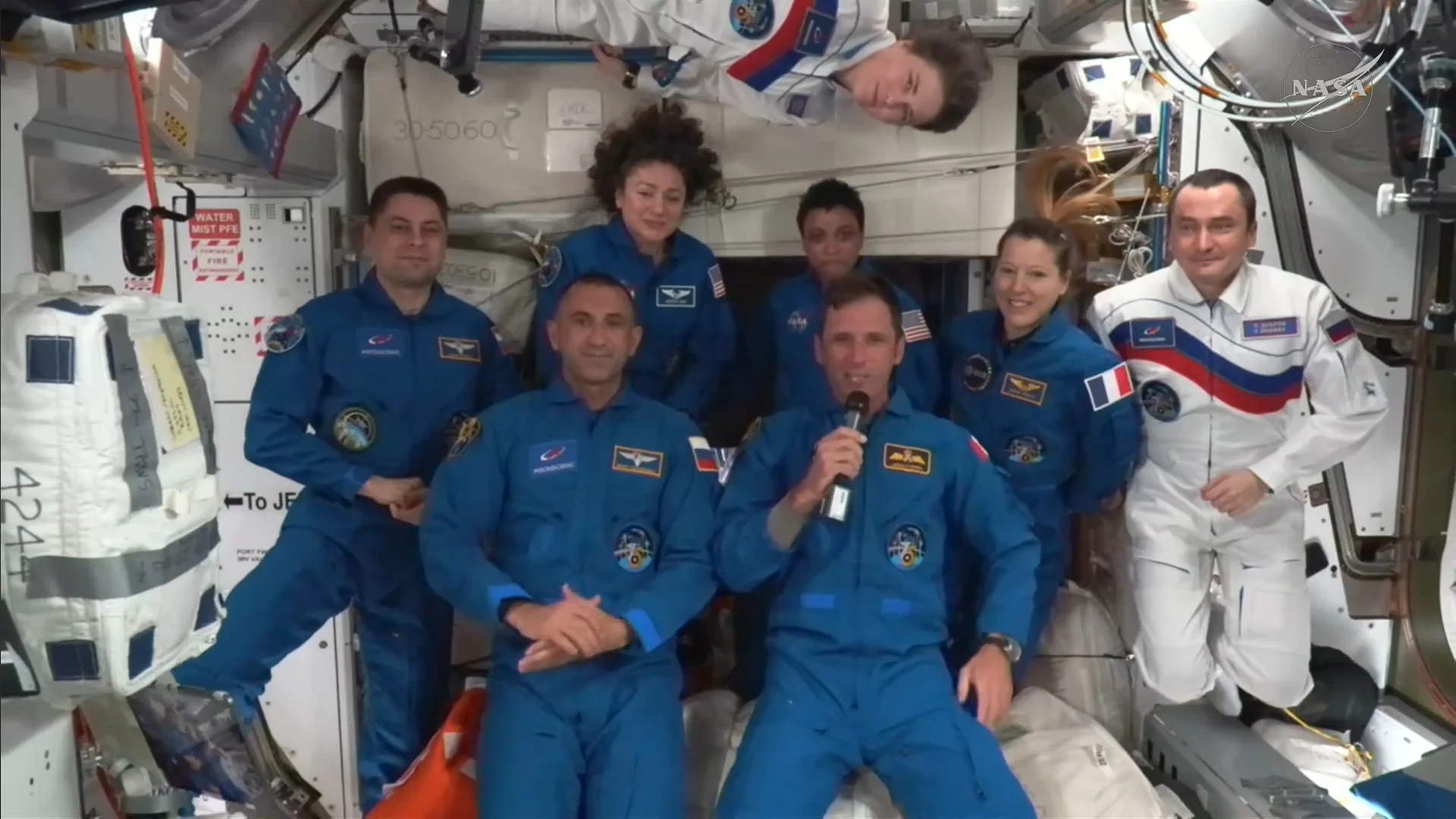
Kutryk holds the microphone in this media call back to Earth after the Crew-13 arrival at the ISS. Clockwise from Kutryk are cosmonaut Sergey Teteryatnikov, cosmonaut Andrey Fedyaev, current station commander Jessica Meir, Crew-13 commander Jessica Watkins, cosmonaut Anna Kikina (floating, top), French astronaut Sophie Adenot, and cosmonaut Pyotr Dubrov. (NASA)
"We want to play a bigger part in everything linked to space exploration, but particularly with the moon," Joly said on Thursday. "Being able to have more of a Canadian presence, particularly on the robotic side."
Part of Isaacman's Artemis program restructuring included the speeding up of launches in the Artemis program.
On Thursday, Joly said Canada is ready.
"We know that NASA wants to go further, faster," she said. "We want to do more of that."
This article, written by CBC Senior Science Reporter Nicole Mortillaro, was originally published for CBC News on Oct. 1, 2026.